
Where Will the 2030 Football World Cup Final Be Held? An In-Depth Look at the Latest Predictions and Controversies
The anticipation surrounding the 2030 FIFA World Cup final has ignited a global debate among football enthusiasts, sports analysts, and governing bodies. With the tournament set to be a historic milestone—marking the centenary of the World Cup—the selection of the final’s venue has become a topic of intense speculation and strategic discussions. This article delves into the current predictions, potential host cities, political considerations, and the latest developments shaping this high-stakes decision.
The Race for Hosting the 2030 World Cup Final: Key Contenders and Predictions
Initially, the spotlight was on some of Europe’s most iconic stadiums, with the Santiago Bernabéu in Madrid and the Spotify Camp Nou in Barcelona emerging as prime candidates. These legendary venues boast rich footballing histories, state-of-the-art facilities, and the capacity to host tens of thousands of passionate fans. However, recent developments suggest that the landscape of predictions may be shifting towards North Africa, specifically Morocco.
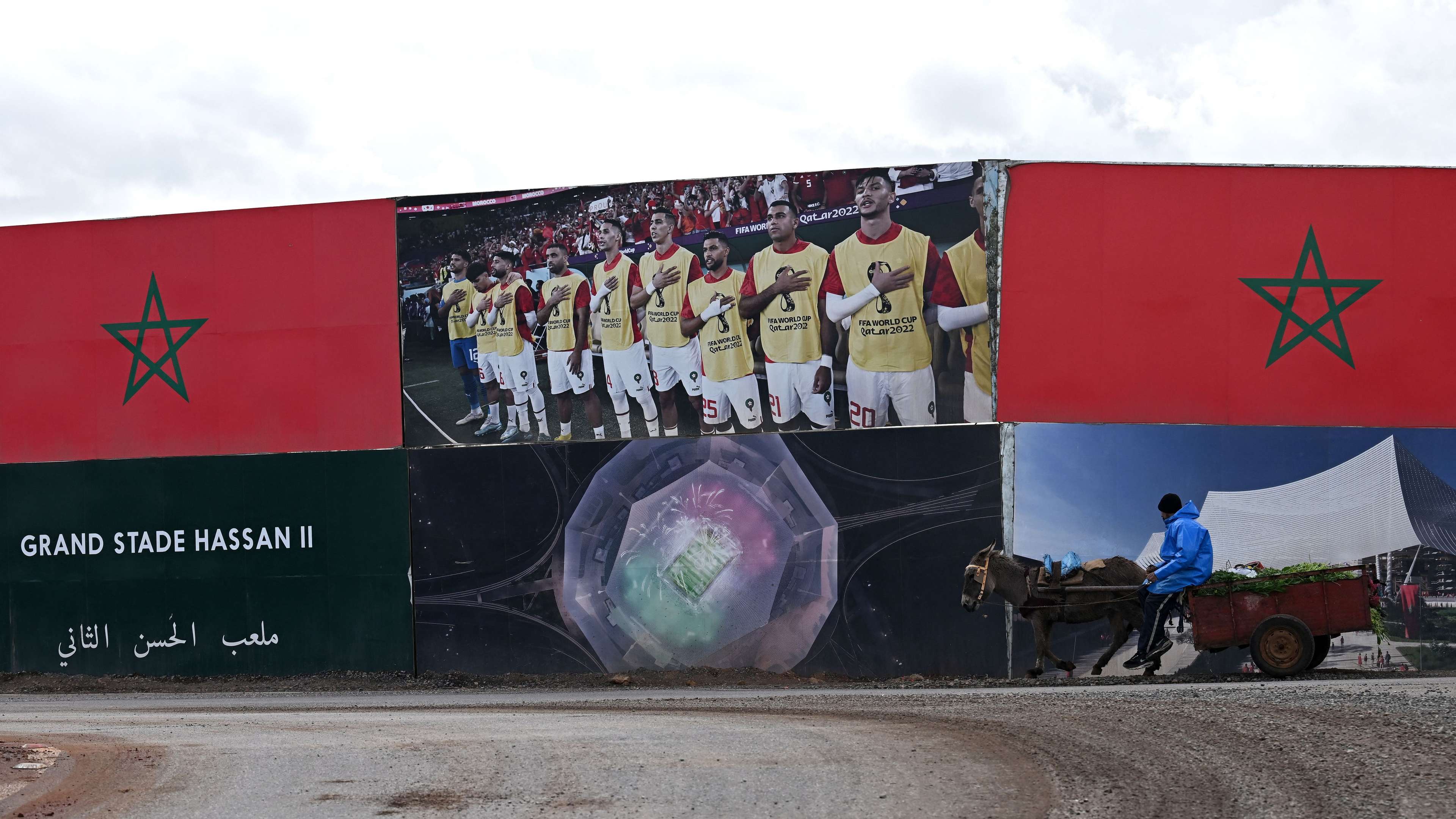
As the 2030 World Cup approaches, the host selection process has become increasingly complex, influenced by political, infrastructural, and logistical factors. While Europe has traditionally been a safe and prestigious choice, the inclusion of Morocco as a potential finalist has added an intriguing geopolitical dimension to the debate. The country has invested heavily in expanding its football infrastructure, notably with the construction of the Grand Stade Hassan II in Benslimane, designed to accommodate large international matches.
Why Morocco Is Gaining Favor in the Prediction Race
Many experts now consider Morocco the leading candidate to host the 2030 World Cup final, with several compelling reasons supporting this view. The Moroccan government and football federation have presented a robust bid, emphasizing their state-of-the-art stadiums, passionate football culture, and strategic geographic location that offers easy access for fans from Europe, Africa, and the Middle East.
The Grand Stade Hassan II, currently under construction in Benslimane, is a centerpiece of Morocco’s bid. Once completed, it will feature a seating capacity exceeding 65,000 spectators, making it one of the largest and most modern venues in Africa. Its design incorporates advanced safety features and cutting-edge technology, aligning with FIFA’s standards for hosting a World Cup final.
Moroccan officials and football executives have publicly expressed optimism about their chances. Antonio Escudero, Barcelona’s vice-president for social affairs, stated during a radio interview on “Cadena SER” that Morocco’s bid “has a very high probability of success.” He highlighted the support from international sporting bodies and the nation’s impressive stadium infrastructure as key factors in favor of Morocco’s candidacy.
The Political Dimension: Challenges and Opportunities
The debate over the final’s location isn’t solely about stadium capacity or infrastructure; political considerations play a significant role. Spain, with its rich football history and iconic venues like the Santiago Bernabéu and Camp Nou, remains a strong contender. However, some analysts argue that political tensions and regional interests could influence FIFA’s decision, possibly favoring Morocco, which is eager to showcase its growth and stability on the international stage.
While Spain’s chances are viewed as slim by some due to political complexities, the country remains committed to its bid. The Spanish Football Federation and local authorities have been working tirelessly to promote their venues as suitable hosts for the grand finale. The Santiago Bernabéu, in particular, is often cited as a symbol of football excellence, and many believe it could be chosen if the decision favors a European final.
Upcoming Matches and How They Could Influence the Decision
Upcoming international fixtures and qualifiers are expected to have a bearing on FIFA’s final choice. For instance, the Africa Cup of Nations qualification matches, such as the fixture between Lesotho and Morocco, highlight the growing football prominence in Africa. Morocco’s recent performances and infrastructure readiness bolster their case for hosting the final.
In addition, European nations like Spain and Croatia are scheduled for UEFA Nations League matches, which keep their venues in the global spotlight. These fixtures serve as opportunities for FIFA officials and stakeholders to assess stadium readiness and logistical arrangements in real-time, indirectly influencing the prediction landscape.
Insights from Barcelona and the Future of Stadium Infrastructure
Meanwhile, in Barcelona, there is ongoing discussion about the city’s stadium plans, which could impact the broader prediction landscape. Barcelona’s vice-president for social affairs clarified that the club is not considering raising season ticket prices in the near future, aiming to maintain accessibility for fans. This reassurance comes amid speculation about potential infrastructure upgrades and stadium development projects.
The club’s decision to remain at the Montjuïc site and the ongoing debate over stadium upgrades reflect the broader context of stadium development in football. If Barcelona’s venues are selected or play a role in future international tournaments, it could influence predictions about where the 2030 final might ultimately be held.
Conclusion: What Does the Future Hold for the 2030 World Cup Final?
As the countdown to the 2030 FIFA World Cup continues, the debate over the final’s location remains lively and multifaceted. While traditional European powerhouses like Spain are still in the mix, the rising prominence of African nations—especially Morocco—has reshaped predictions and expectations. The decision will hinge on a combination of infrastructural readiness, political considerations, and FIFA’s strategic vision for the centenary celebration.
Football fans worldwide eagerly await the official announcement, which is expected to be made in the coming years. Regardless of the final venue, one thing is certain: the 2030 World Cup promises to be a historic event, uniting fans across continents and showcasing the beautiful game’s global reach. Stay tuned as the predictions unfold and the world prepares for what could be one of the most memorable finales in football history.