
Kylian Mbappé Falls Just Short as Ballon d’Or Race Goes Down to the Wire
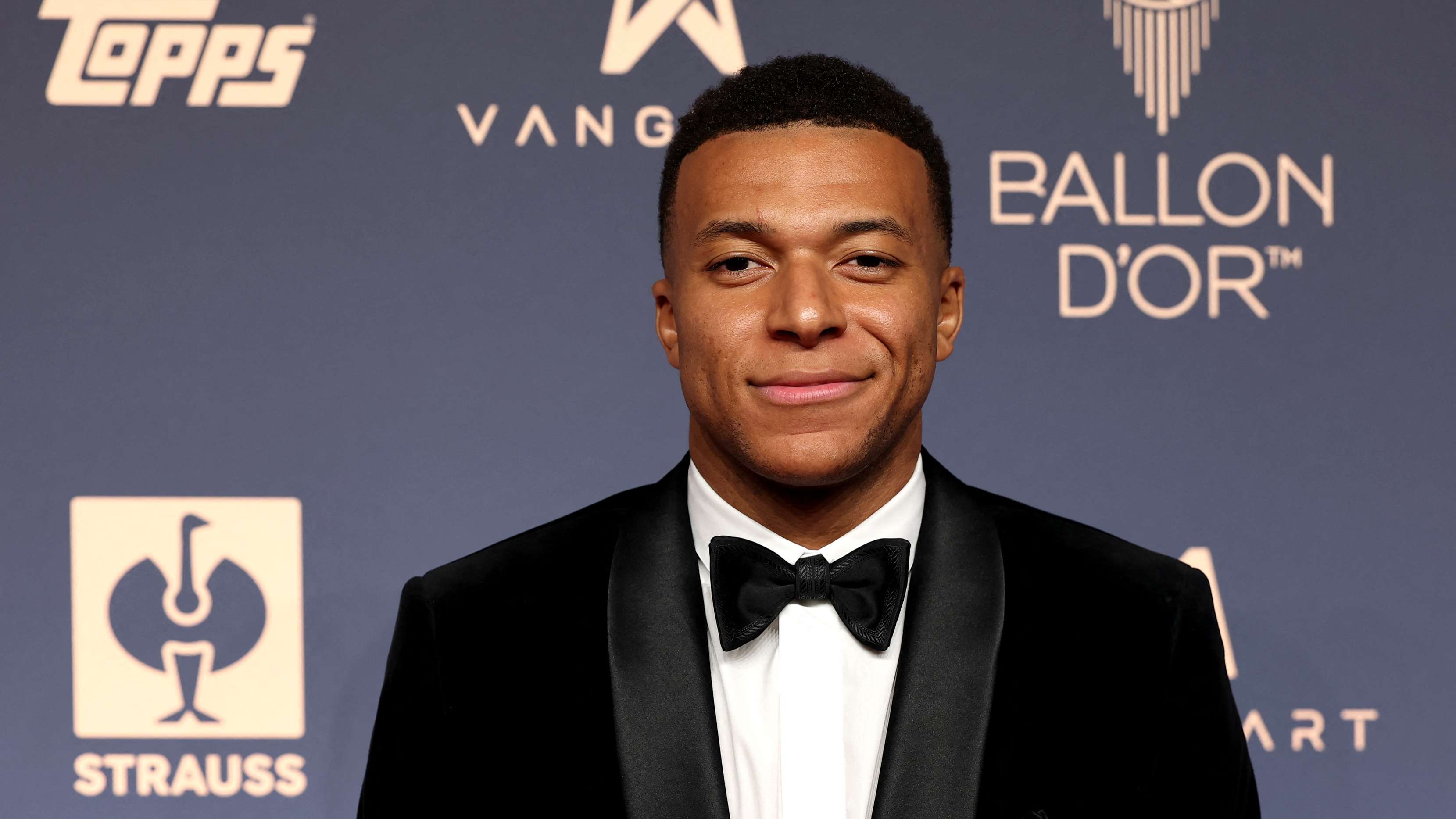
Kylian Mbappé left the Ballon d’Or ceremony in London without the trophy, despite achieving the best finish of his career. The Real Madrid forward placed second behind Harry Kane in an exceptionally tight vote, ending a night that brought both personal recognition and disappointment for the French captain.
According to Spanish newspaper AS, Mbappé arrived in the English capital believing he had a genuine chance to win football’s most prestigious individual award. That hope lasted until the final announcement, but Kane ultimately claimed the prize. The result was a reminder that outstanding goalscoring figures do not always guarantee victory in a Ballon d’Or prediction: voters also weigh team success, major trophies and performances in decisive matches.
A narrow defeat in a fiercely contested vote
Vincent Garcia, editor-in-chief of France Football, described the voting as exceptionally close, saying it was tighter even than the previous contest between Rodri and Vinícius Júnior. In that earlier race, the Spanish midfielder finished just 41 points ahead of the Brazilian. The latest result again showed how small the difference can be between winning football’s top individual honour and finishing as runner-up.
For Mbappé, second place marks a new personal best. He has now appeared among the Ballon d’Or’s 30 finalists for a record ten consecutive years, yet his consistency has not brought him the title. Before this latest result, his strongest finish was third in 2023, behind Erling Haaland. The repeated nominations underline his longevity among the elite, but they also make the absence of a win increasingly conspicuous.
From teenage sensation to a leading Ballon d’Or contender
Mbappé’s rise began at Monaco, where he made a remarkable impression as a teenager. His pace, finishing and confidence quickly encouraged comparisons with Lionel Messi and Cristiano Ronaldo, the two players who dominated the award for much of the previous generation. Many observers expected the French forward to become the next long-term standard-bearer of world football.
Now 27, with his 28th birthday due next December, Mbappé remains one of the sport’s most recognisable stars—but the Ballon d’Or has so far eluded him. His latest runner-up finish brings him closer than ever, while also raising a familiar question: what must he add to his already remarkable individual record to finally take the prize?
The answer may lie in the balance between personal achievement and collective success. Mbappé has produced elite numbers across domestic and European competition, and he has also made his mark on the international stage. However, the award’s voting often favours players whose performances are accompanied by major team honours. Without a defining trophy-winning campaign, even a prolific season can leave a contender vulnerable to a rival with a stronger silverware case.
Goals and records were not enough
Mbappé’s statistics remain a powerful part of his case. He was among the leading scorers in La Liga and the Champions League, while his World Cup record-breaking exploits further strengthened his reputation. The French forward has also built an extraordinary record of recognition: he is the only French player to earn ten consecutive Ballon d’Or nominations.
At 22, he had already matched a milestone associated with Messi and Ronaldo, becoming one of the youngest players to finish a season in the world’s top ten on four occasions. Those achievements help explain why his second-place finish is significant, even if it did not provide the outcome he wanted. Mbappé has been a regular presence at the top of the game for years; the remaining challenge is turning that individual standing into the award itself.
His recent seasons without major team trophies may have weighed heavily on the final decision. Kane, meanwhile, had a compelling case of his own, combining individual excellence with the momentum of a successful campaign. In a close vote, that difference may have proved decisive. The result also reflects a wider truth in modern football: the Ballon d’Or is not simply a scoring chart, but a judgement shaped by narrative, achievement and the biggest moments of the season.
A gracious moment with Harry Kane
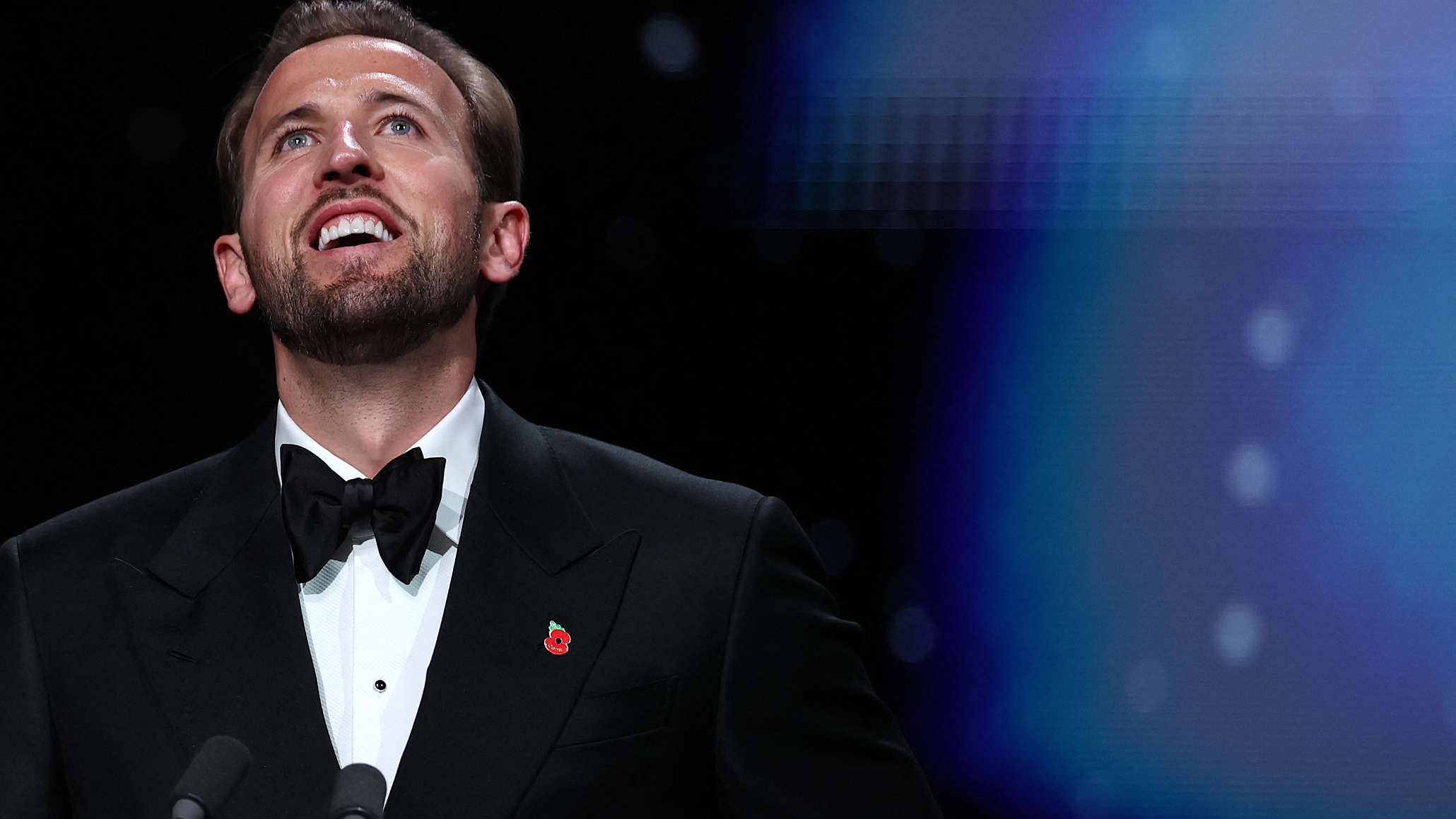
Despite the disappointment, the ceremony offered a memorable display of sportsmanship. Mbappé embraced Kane before the Bayern Munich striker stepped forward to deliver his speech. The moment captured the mixed emotions of the evening: pride in reaching a career-best position, respect for the winner and the frustration of coming so close without lifting the trophy.
That reaction may become an important part of Mbappé’s story. He has repeatedly been tipped to challenge for football’s crown, and this result confirms that voters see him as one of the leading contenders. Whether he can convert that status into a win will depend on the next stage of his Real Madrid career, particularly his ability to help the club secure major honours while continuing to deliver decisive performances.
PSG’s ceremony absence and a night of mixed results
Paris Saint-Germain had a striking presence in the nomination list, with ten players among the 30 finalists, but the club’s senior leadership did not travel to London. PSG were playing a rescheduled French league fixture against Lyon at the same time, and president Nasser Al-Khelaïfi and sporting director Luis Campos watched the match at the Parc des Princes instead.
Ousmane Dembélé was the only PSG player representing the club in person. The previous Ballon d’Or winner finished seventh and followed the final results from the audience alongside Mbappé and Michael Olise. PSG were also named the world’s best team for a second consecutive year, with Dembélé collecting the club award on their behalf.
After PSG’s 2-0 victory over Lyon, manager Luis Enrique congratulated the club’s supporters on the team honour. He missed out on the award for best coach, which went to Spain manager Luis de la Fuente following his World Cup triumph. Enrique had previously played down the importance of individual coaching awards, while predicting that one of his PSG players could win the Ballon d’Or.
What comes next for Mbappé?
Mbappé’s London disappointment is unlikely to diminish his standing, but it does sharpen the focus on what comes next. The forward has the individual quality, global profile and consistency expected of a Ballon d’Or winner. To complete the picture, he will need a season in which his goals help deliver the biggest trophies.
For fans following the next football season and making an early Ballon d’Or prediction, Mbappé will remain central to the conversation. His second-place finish shows that he is closer than ever, while Kane’s victory demonstrates how team achievements can tip an exceptionally close race. Mbappé returned to Madrid without the award, but with a clear target: turn another outstanding individual campaign into the collective success that could finally make him the world’s best player.