
Al-Akhdar Faces Internal Divisions During International Break: A Closer Look at the Rising Fan Rivalry
The international football calendar often provides a rare moment of unity among fans, a time when passion for their national team transcends club allegiances. However, in recent years, this tradition has been increasingly challenged, especially within the Arab football community. The current international break has exposed a deeper fissure, transforming what should be a period of national pride into a battleground of rivalry, prediction, and heated debate.
The Shift from Unity to Division Among Arab Football Fans
Traditionally, international breaks were moments when supporters set aside their club loyalties to rally behind the national team, celebrating the collective identity and shared pride of representing their country. Yet, today, the atmosphere has shifted significantly. Instead of uniting, fans of different clubs now engage in relentless debates, often focusing on individual player performances rather than team achievements.
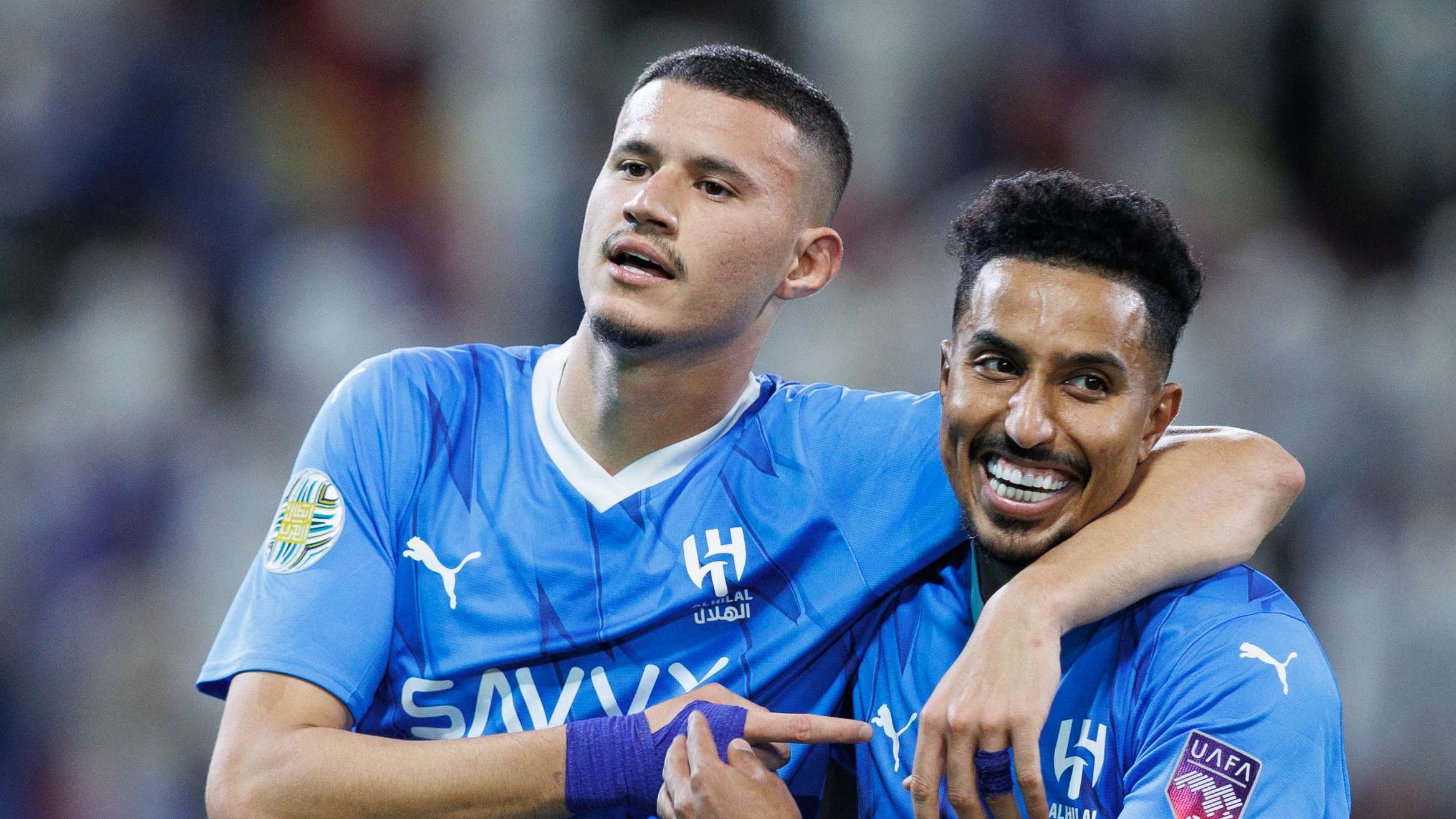
This phenomenon is particularly pronounced in the Arab world, where football passion runs deep and club allegiances are fiercely held. The Saudi national team, often affectionately called “Al-Akhdar” (The Green), is at the center of this internal rivalry. As international fixtures unfold, fans from prominent clubs like Al-Hilal and Al-Nassr are more divided than ever, turning the international stage into a contest of player supremacy.
From Team Pride to Player Prediction Battles
During this period, the conversation among fans is no longer solely about the performance of the national team but has morphed into a fierce competition to predict and endorse the best players. Social media platforms are flooded with debates, polls, and predictions about which football stars will shine brightest on the international stage.
Supporters passionately argue that their club’s players are superior, often citing recent performances, statistics, and potential contributions. For example, fans of Al-Hilal highlight the prowess of their star striker or midfield maestro, asserting he is destined for international stardom. Meanwhile, supporters of Al-Nassr champion their own key players, emphasizing their importance and influence in upcoming fixtures.
The Rivalry Extends Beyond the Pitch
What makes this phenomenon even more compelling—and concerning—is how it escalates beyond simple prediction and into personal criticism and club rivalry. Fans and sometimes even media outlets tend to blame players from rival clubs for the national team’s struggles. When the team underperforms, fingers are pointed directly at opposing club players, framing them as the root cause of setbacks.
This divisive attitude not only undermines team cohesion but also feeds into a broader narrative of club loyalty overriding national pride. Such a mindset risks fragmenting the unity that is essential for national teams to perform at their best in international competitions.
The Impact on Football and Predictions in the Arab World
In the context of football prediction, this internal rivalry influences betting markets, fantasy football leagues, and fan engagement strategies. As supporters analyze upcoming matches, they often base their predictions on club loyalty rather than objective assessment, skewing expectations and sometimes leading to biased forecasts.
Moreover, this competitive environment fosters a culture where the focus shifts from collective success to individual brilliance. While this can motivate players to elevate their game, it also risks creating a toxic atmosphere where players are scrutinized excessively, and performance expectations become unrealistic.
Building a Path Towards Greater Unity and Positive Engagement
Addressing this divide requires a conscious effort from fans, media, and football authorities to encourage a more balanced and respectful discourse. Promoting the idea that football is a collective sport—where individual talent contributes to team success—can help restore the sense of unity during international breaks.
Football prediction models should also evolve to incorporate a holistic view, considering team dynamics, tactical setups, and player form rather than club loyalties alone. Doing so would foster healthier debates and more accurate forecasts, enriching the experience for supporters and analysts alike.
The Future of Arab Football During International Breaks
As the Arab world continues to develop its football infrastructure and talent pool, the importance of fostering a culture that values national pride over club rivalry becomes more critical. Initiatives such as fan education programs, increased media responsibility, and community engagement can help shift the narrative from division to unity.
Furthermore, encouraging fans to focus on prediction as a fun, informative activity rather than a battleground for rivalry will enhance the overall football experience. By embracing the complexities of football prediction—acknowledging that even the best players can have off days—the community can build a more positive, respectful environment that celebrates the beautiful game.
Conclusion: Embracing the Spirit of Football
The current landscape of Arab football during international breaks is a reflection of both passion and polarization. While rivalry and prediction add excitement to the sport, they should not overshadow the core values of unity, respect, and shared love for football. The challenge lies in channeling this fervor into positive engagement, ensuring that “Al-Akhdar” remains a symbol of pride and collective strength, not division.
As fans, players, and officials work together to foster a more inclusive football culture, the hope is that future international breaks will once again serve as moments of national pride and unity—where predictions are made in good spirit, and the love for the game unites rather than divides.