
Mourinho Returns to the Clásico Spotlight as Real Madrid Face Barcelona
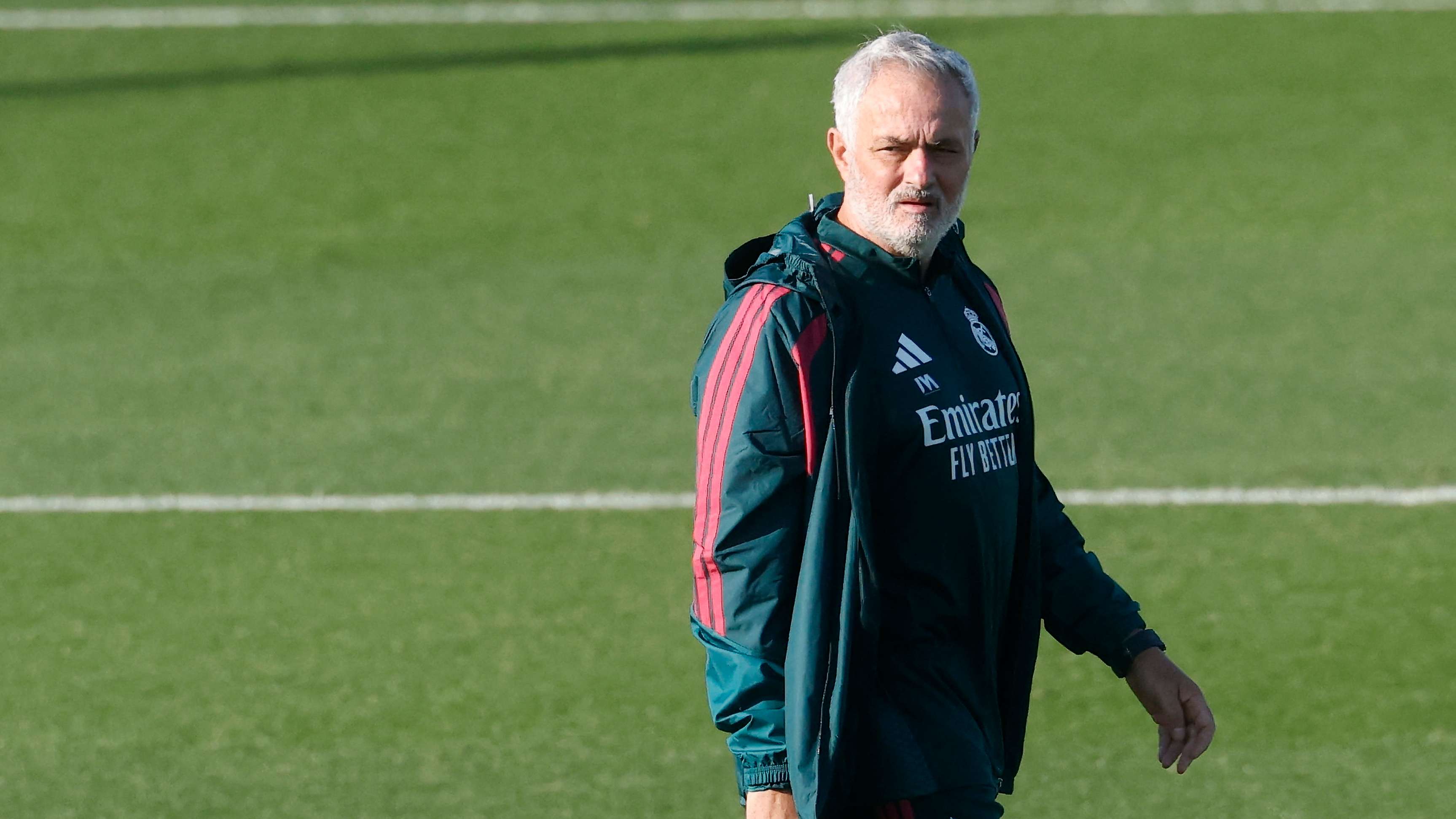
José Mourinho’s latest appearance in the Clásico carries more than the usual weight of a meeting between Spanish football’s most famous rivals. As Real Madrid prepare to visit Barcelona at Camp Nou, the Portuguese coach returns to a fixture shaped by old grudges, high stakes and memories of one of the most intense periods in modern football.
For Madrid, the immediate challenge is clear: avoid losing ground in the La Liga title race. A defeat could leave Los Blancos nine points behind Barcelona, turning an already demanding season into a more urgent pursuit. The match also offers a global audience a chance to watch leading names such as Lamine Yamal and Kylian Mbappé compete on one of football’s biggest stages. Yet Mourinho’s personal history with Barcelona adds another compelling storyline—and makes victory especially important to him.
From Barcelona assistant to bitter rival
Mourinho’s relationship with Barcelona did not begin with hostility. In 1996, he joined the club as an assistant to English manager Bobby Robson, who had previously worked with him in Portugal. Mourinho helped translate Robson’s instructions and contributed to the coaching staff, remaining at Barcelona after Robson departed the following year.
His responsibilities included video analysis and further assistant-coaching work. He also built relationships with players who would later become central figures in Barcelona’s history, including Carles Puyol, Xavi Hernández and Pep Guardiola. Some supporters, however, reduced Mourinho’s role to that of a translator, a label that reportedly irritated him as he sought recognition for his wider football knowledge and coaching ambitions.
Barcelona’s leadership did not give him the senior position he hoped for. Mourinho left in 2000, but his name continued to arise in discussions about the club’s managerial future. In 2008, he was seriously considered as a candidate to lead the first team. President Joan Laporta ultimately chose Guardiola instead—a decision that proved transformative for Barcelona and, according to accounts of Mourinho’s career, deepened his disappointment.
Inter, Real Madrid and the rivalry’s fiercest years
The tension became more public in 2010, when Mourinho’s Inter Milan faced Barcelona in the Champions League semi-finals. Inter advanced to the final, and the contest was accompanied by sharp exchanges between the coaches and intense debate over tactics and refereeing. By the time Mourinho moved to Real Madrid later that year, he was already a prominent target for Barcelona supporters.
His arrival at Madrid placed him at the centre of a rivalry that was both sporting and cultural. Barcelona, led by Guardiola, were playing some of the most celebrated football of their era. Madrid were trying to disrupt that dominance, and Mourinho adopted a confrontational style that extended beyond the pitch. He questioned refereeing decisions, criticised Barcelona’s conduct and used press conferences to challenge the club’s influence.
One of the most memorable moments came after the 2011 Champions League semi-final between the sides. Mourinho’s pointed “¿Por qué?”—“Why?”—became shorthand for his belief that Barcelona had received favourable treatment in major European matches. His comments intensified an already charged atmosphere, while ensuring that every subsequent meeting carried added emotional force.
More than a tactical battle
The rivalry was also defined by results and incidents that remain part of Clásico history. Barcelona’s 5–0 victory over Madrid in November 2010 was a particularly painful night for Mourinho, whose team struggled to contain Guardiola’s side. The scale of the defeat, combined with the home crowd’s celebration, sharpened the sense that the Portuguese coach was fighting both a footballing powerhouse and a deeply confident rival.
Tempers boiled over again during the Spanish Super Cup in 2011. In a confrontation involving Barcelona’s coaching staff, Mourinho poked assistant coach Tito Vilanova in the eye. The incident became one of the defining images of the period and demonstrated how personal the rivalry had become. It also attracted widespread criticism, overshadowing the football itself.
Mourinho’s combative approach was not only a response to his feelings about Barcelona. It also served a purpose at Madrid. By positioning his team against a powerful rival and questioning decisions he considered unfair, he could unite supporters, increase pressure on Barcelona and give his players a shared cause. The strategy was controversial, but it reflected his belief that football’s psychological contest mattered almost as much as its tactical one.
Why the latest Clásico matters
More than a decade later, the atmosphere has changed, but the old tensions have not disappeared. Mourinho is less relentlessly outspoken than he was during his first spell at Madrid, yet he continues to criticise Barcelona and refereeing decisions when he believes they warrant scrutiny. He has also referred repeatedly to the Negreira case, the controversy surrounding payments by Barcelona to a former senior refereeing official. The case has become part of the wider debate about transparency and officiating in Spanish football, although allegations and interpretations should not be confused with a final legal finding.
That rhetoric has not persuaded every Madrid supporter. Some fans argue that focusing on Barcelona or referees risks distracting attention from Real Madrid’s own performance and problems. For Mourinho, however, the Clásico remains an occasion when pressure, narrative and results collide—and when a win can silence criticism more effectively than any press conference.
Clásico prediction: pressure on Madrid, opportunity for Barcelona
The league situation gives the match a sharper edge than a routine rivalry fixture. Barcelona can strengthen their position at the top, while Madrid need a result to prevent the gap from becoming a major obstacle. That creates a difficult tactical balance: Madrid must be ambitious enough to chase victory but disciplined enough to avoid giving Barcelona space to exploit.
Barcelona’s young talent, including Yamal, offers pace and unpredictability, while Mbappé gives Madrid a forward capable of changing a match with a single run or finish. The outcome may depend on which side controls transitions, handles the emotional intensity and makes better use of its chances. In a fixture of this magnitude, a prediction is never straightforward; one moment of brilliance—or one costly mistake—can decide everything.
For Mourinho, the stakes are especially personal. His history with Barcelona began in a coaching office, not on the opposing touchline, and his path from assistant to adversary is part of what makes this meeting so compelling. A victory would strengthen Madrid’s title hopes and revive his authority in a rivalry he has helped define. Anything less, particularly a defeat at Camp Nou, would leave him facing renewed questions about both his team and his long-running battle with Barcelona.