
FK Bodö/Glimt: The Arctic Football Phenomenon Defying Modern Odds
In the world of football, stories of underdog clubs rising from obscurity to European prominence are rare, especially without the backing of wealthy investors, conglomerates, or major commercial sponsors. Yet, FK Bodö/Glimt, a Norwegian team nestled north of the Arctic Circle, has defied this norm over the past decade, transforming from a modest second-division side into a European football sensation. Their journey is a compelling tale of resilience, innovation, and strategic vision—elements that make their future predictions in football increasingly exciting for fans and analysts alike.
The Unlikely Rise of FK Bodö/Glimt
Once considered a small, underfunded club struggling to stay afloat, FK Bodö/Glimt’s ascent is nothing short of extraordinary. The club’s remarkable trajectory began around 2017, a pivotal year that set the stage for their unprecedented rise. Under the leadership of Frode Thomassen, a seasoned football executive and native of Arctic Norway, the club embarked on a journey rooted in local talent development, community support, and strategic planning—rather than external financial injections.
Challenges of Location and Climate
Operating north of the Arctic Circle presents unique hurdles that would discourage most football clubs. The region endures severe cold, long, dark winters with the sun disappearing for a month, and its remoteness makes recruitment and logistics challenging. Frode Thomassen recalls how potential players from southern Norway often hesitated when considering a move to Bodö/Glimt, citing the harsh climate, the wind, persistent rain, and the distance from major cities. Yet, these adversities became part of the club’s identity rather than barriers to success.
Community-Driven Revival
In 2010, the club faced financial insolvency, but the local community rallied to save FK Bodö/Glimt. Fans, local entrepreneurs, fishermen, and residents pooled their resources, demonstrating the club’s deep-rooted importance to the region. This communal effort not only prevented collapse but also fostered a culture of loyalty and local pride that continues to underpin their philosophy today. Since then, the club has prioritized cultivating home-grown talent, which has become a hallmark of their identity.
Strategic Vision and The Power of Performance
While many clubs chase short-term glory through expensive transfers, FK Bodö/Glimt’s approach is distinct. Their leadership emphasizes sustainable growth, performance, and developing a cohesive team culture. Under Thomassen’s stewardship, the club has adopted core values centered around performance, development, loyalty, and unity. These principles guide their decision-making and have become the foundation of their success story.
The Role of Kjetil Knutsen and Tactical Innovation
A pivotal figure in their ascent is Kjetil Knutsen, a relatively unknown assistant coach in Norwegian football, who was promoted to head coach in 2019. His innovative tactics emphasize high-pressing, dynamic movement, and relentless energy—characteristics that have become synonymous with Bodö/Glimt’s playing style. Their matches are characterized by intense pressing, quick transitions, and an attacking mindset, making them a formidable opponent even against Europe’s giants.
Achievements and European Campaigns
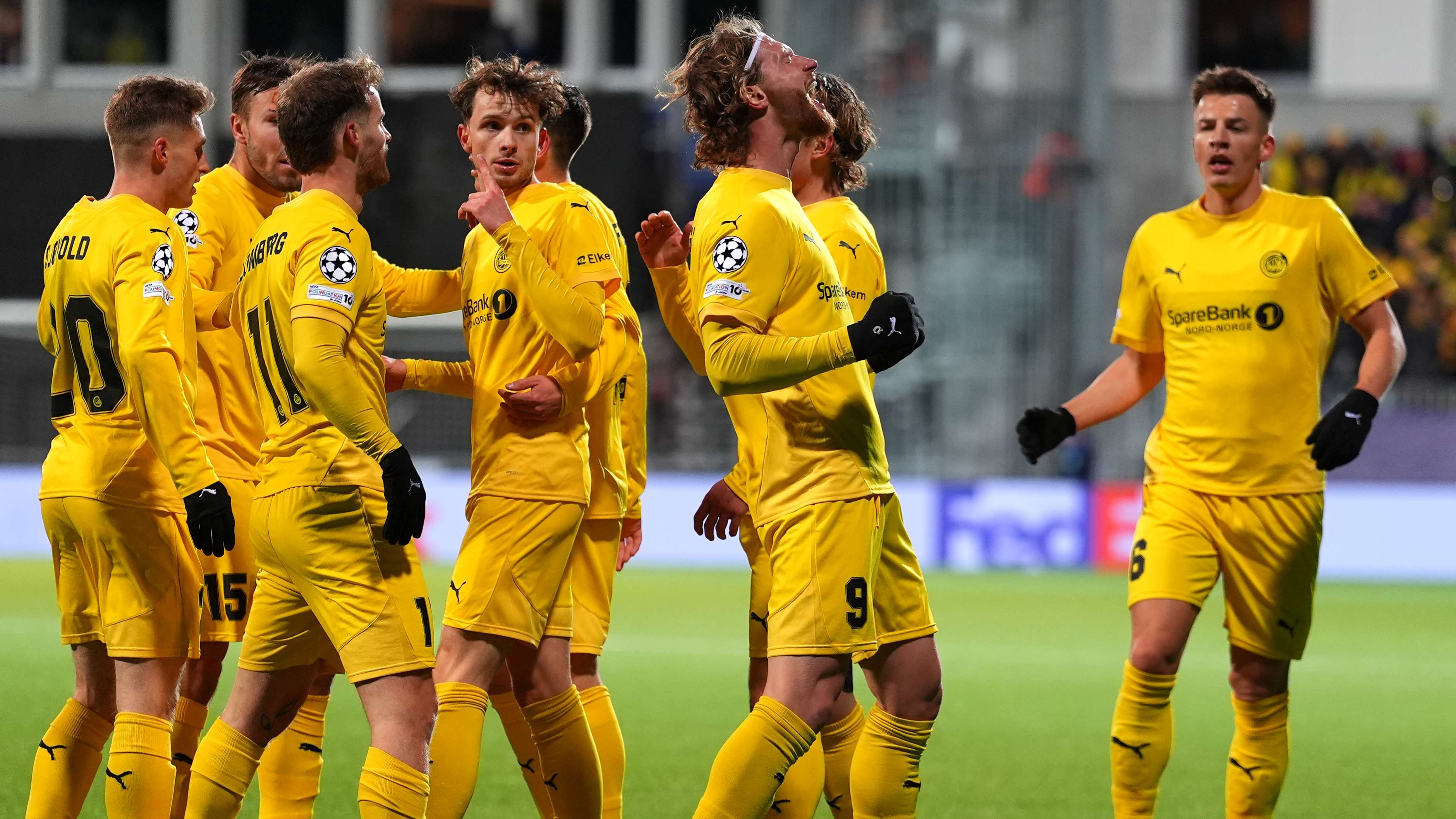
FK Bodö/Glimt’s achievements in recent years are nothing short of historic for a club of its size. They won their first Norwegian league titles in 2020, 2021, 2023, and 2024, establishing themselves as domestic powerhouses. Internationally, they have made significant strides—reaching the quarter-finals of the UEFA Conference League in 2021/2022, qualifying for the Europa League for the first time in 2022/2023, and making it to the semi-finals of the Europa League in 2024/2025. Their most notable achievement came last season when they advanced to the last 16 of the Champions League, narrowly losing to Sporting Lisbon after memorable wins against Manchester City, Atletico Madrid, and Inter Milan.
Maintaining Success Without Big Money
Unlike many European clubs that rely heavily on lucrative transfers and commercial deals, FK Bodö/Glimt’s financial model remains modest. Their revenue soared to around €75 million last year—an impressive feat considering their limited resources. They prioritize sustainable growth through community support, strategic investments, and innovative use of technology, including artificial intelligence and data analytics. Such a balanced approach ensures they stay true to their values and avoid the pitfalls of chasing quick riches.
The Future of FK Bodö/Glimt: Prediction and Potential
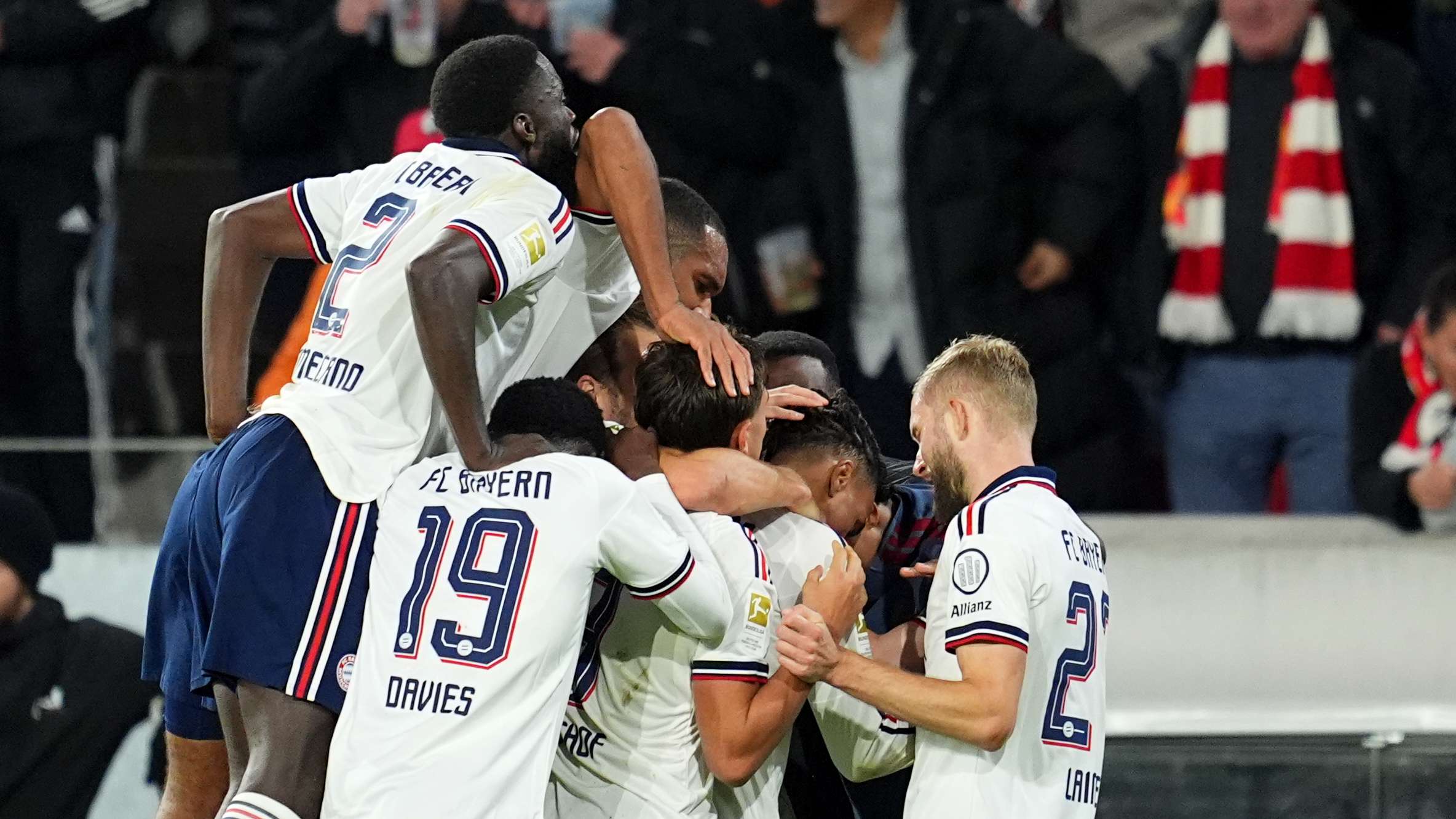
As FK Bodö/Glimt prepares for their upcoming Champions League campaign—set to face giants like Bayern Munich—the question on many football prediction analysts’ lips is: how far can this unlikely underdog go? Their current trajectory suggests they are not just a flash in the pan but a club with a well-defined vision for sustainable success and global recognition.
Expanding the Player Pool and International Reach
Thomassen envisions broadening the club’s recruitment horizon beyond Scandinavia, aiming to attract talented players from across Europe. The club’s recent signing of Jens Petter Hauge, who has played for top clubs like AC Milan and Eintracht Frankfurt, exemplifies their ambition to blend local talent with experienced internationals. Captain Patrick Berg, who returned from Lens, embodies the club’s commitment to nurturing talent and maintaining a competitive edge.
Building Infrastructure and Innovation
Looking ahead, FK Bodö/Glimt is investing in infrastructure—most notably, the upcoming Arctic Arena stadium, slated for completion next year. This state-of-the-art facility will serve as a hub for nurturing future generations and enhancing the club’s appeal. Additionally, their focus on technological innovation, including AI-driven data analysis, aims to give them a competitive advantage by making smarter tactical decisions and player development strategies.
Why FK Bodö/Glimt Could Become a Global Football Cult Classic
Their story resonates beyond Norway, capturing the imagination of football fans worldwide. With over 750,000 followers on Instagram—more than any other Scandinavian team—FK Bodö/Glimt is positioning itself as a global football phenomenon. Their commitment to culture, community, and values sets them apart in an increasingly commercialized sport.
Thomassen emphasizes that their philosophy is not solely about winning but about performing at their best. “If we perform, the results follow,” he states, highlighting a mindset rooted in sustainable excellence rather than fleeting success. This approach aligns with their core values—performance, development, loyalty, and unity—that shape their club culture.
Prediction for the Upcoming Season and Beyond
As the new Champions League season kicks off, football prediction experts are keenly watching FK Bodö/Glimt’s journey. Their clash against Bayern Munich on the opening matchday promises to be a significant test of their European credentials. While many expect a tough challenge, the club’s tactical discipline, team cohesion, and innovative approach suggest they can hold their own and even surprise the football world.
If they continue on this path, the prediction is clear: FK Bodö/Glimt is not just a Norwegian football story but a blueprint for sustainable, value-driven success in modern football. Their rise exemplifies how passion, community support, strategic innovation, and unwavering values can elevate a small club to the highest levels of European competition.
Conclusion: A Model for Modern Football Success
In an era where football often seems dominated by money and mega-clubs, FK Bodö/Glimt offers a refreshing narrative—one rooted in humility, community, and strategic performance. Their story demonstrates that with the right vision and values, even the most remote and seemingly unlikely clubs can make a significant impact on the global stage. As they prepare for their next challenge against the giants of Bayern Munich, the football prediction community remains intrigued: could this be the beginning of a new chapter in European football history?