
Mario Basler Criticizes Joshua Kimmich After Germany’s Disappointing Nations League Loss
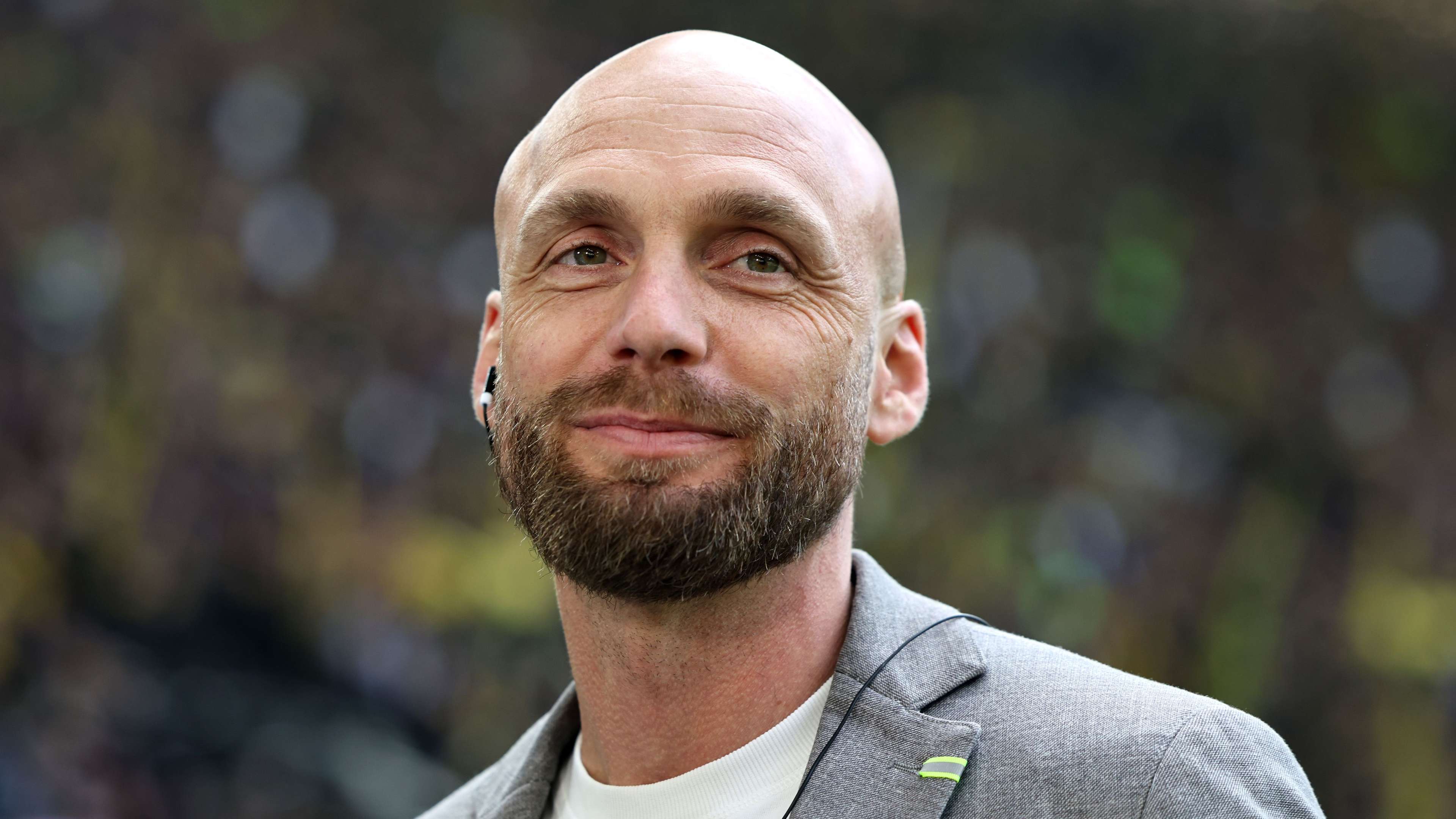
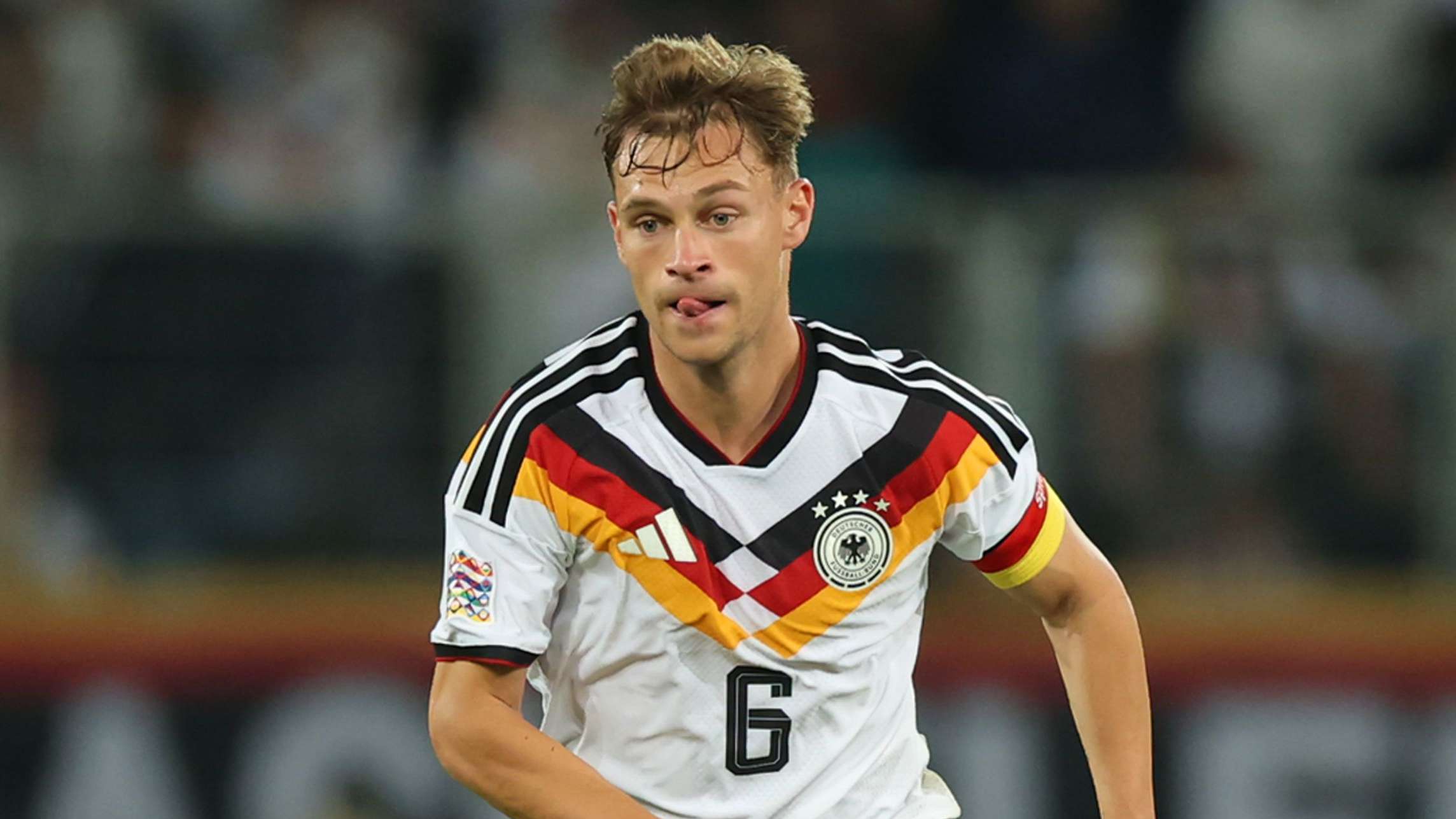
The recent international football fixture saw Germany endure a frustrating 1-0 defeat against Greece in Augsburg, leaving fans and analysts questioning the team’s current form and tactical approach. Among the most vocal critics was former German international football star Mario Basler, who did not hold back in his assessment of Bayern Munich midfielder Joshua Kimmich’s performance. Basler’s candid comments have sparked widespread debate about Kimmich’s role, leadership, and the future direction of the German national team.
Analyzing Germany’s Struggles in Recent Matches
Germany’s national team has faced mounting challenges in recent international fixtures, with inconsistent performances raising concerns among supporters and football pundits alike. The Nations League defeat to Greece was particularly disheartening, given the high expectations placed on Die Mannschaft to deliver a commanding display. The match was characterized by a lack of fluidity in attack and a midfield that struggled to control the tempo, issues that have persisted over several fixtures.
The loss has prompted a reevaluation of tactical strategies and player roles, especially in central midfield, which is often considered the engine room of a football team. It is within this context that Mario Basler’s critique of Kimmich takes on added significance, as he highlights specific areas where the team appears to be faltering.
Mario Basler’s Candid Criticism of Joshua Kimmich
Mario Basler, known for his outspoken nature and deep understanding of the game, did not shy away from voicing his opinions about Kimmich’s performance. He argued that the Bayern Munich star, despite his technical prowess and experience, has been a bottleneck for Germany’s midfield rhythm. According to Basler, Kimmich’s tendency to slow down the tempo and excessively focus on cautious build-up play hampers Germany’s ability to transition quickly from defense to attack—a crucial aspect of modern football prediction models for success.
“Kimmich is a talented player, no doubt,” Basler stated in an interview. “But right now, he’s holding back the team. His tendency to slow down the game and overthink in possession prevents Germany from playing the aggressive, forward-thinking football that is needed at this level. If we want to compete with the best, we need a midfielder who can energize the team and push the tempo.”
The Role of Leadership and the Captaincy Dilemma
Beyond technical criticisms, Basler also questioned whether Kimmich possesses the leadership qualities necessary to captain the national team effectively. The midfielder, who has worn the captain’s armband in various matches, is often seen as a cerebral player with a high football IQ. However, Basler suggests that the role of captain requires more than just tactical awareness—it demands the ability to inspire, motivate, and adapt under pressure.
“Germany needs a captain who can rally the team during tough times, someone who leads by example both on and off the pitch,” Basler explained. “Jurgen Klopp, with his proven track record of building cohesive teams at Liverpool and Borussia Dortmund, must consider whether Kimmich’s current style aligns with the leadership qualities required at the international level.”
Expert Predictions and Future Outlook for German Football
As the German football prediction landscape evolves, experts are weighing in on the national team’s prospects ahead of upcoming fixtures. Many analysts believe that a tactical overhaul is necessary, emphasizing a more dynamic midfield that balances technical skill with aggressive pressing and quick transitions.
In terms of predicting future performances, several factors are under consideration: the development of young talents, the strategic adjustments made by head coach Hansi Flick, and the potential reshuffling of leadership roles within the squad. The debate over Kimmich’s suitability as captain is likely to intensify, especially if Germany continues to struggle against top-tier opponents.
Additional Context: The Importance of Evolving Football Strategies
Germany’s current predicament underscores the broader trend in football prediction: the necessity to adapt to the evolving tactical landscape of international football. Modern teams are increasingly emphasizing quick, high-intensity football, with midfielders expected to be both creators and catalysts for fast-paced attacking play. Players like Joshua Kimmich, who excel in possession-based systems, may need to diversify their game to meet these demands.
Moreover, the role of a football captain has become more multifaceted, combining tactical understanding with leadership skills that foster team unity and resilience. As Germany looks to rebuild and refine its squad, the decisions made regarding player roles and leadership will be pivotal in shaping their future success.
Conclusion: A Critical Crossroads for Germany’s National Team
The recent football prediction and analysis highlight that Germany stands at a critical crossroads. The defeat against Greece has revealed underlying issues that extend beyond individual performances—touching on tactical philosophy, leadership, and team cohesion. Mario Basler’s outspoken critique of Joshua Kimmich has added a compelling voice to the ongoing debate about how best to steer the team back to its winning ways.
As football enthusiasts and experts analyze upcoming fixtures, the focus will be on whether Germany can adapt its strategy, harness new talent, and redefine leadership to reignite its international dominance. The road ahead demands bold decisions, innovative tactics, and a clear vision for the future—elements that will determine whether Germany can restore its reputation as a football powerhouse in the ever-competitive landscape of international football prediction and analysis.