
Bas Nijhuis: Jorthy Mokio Should Have Seen Red in Ajax’s Draw With NEC
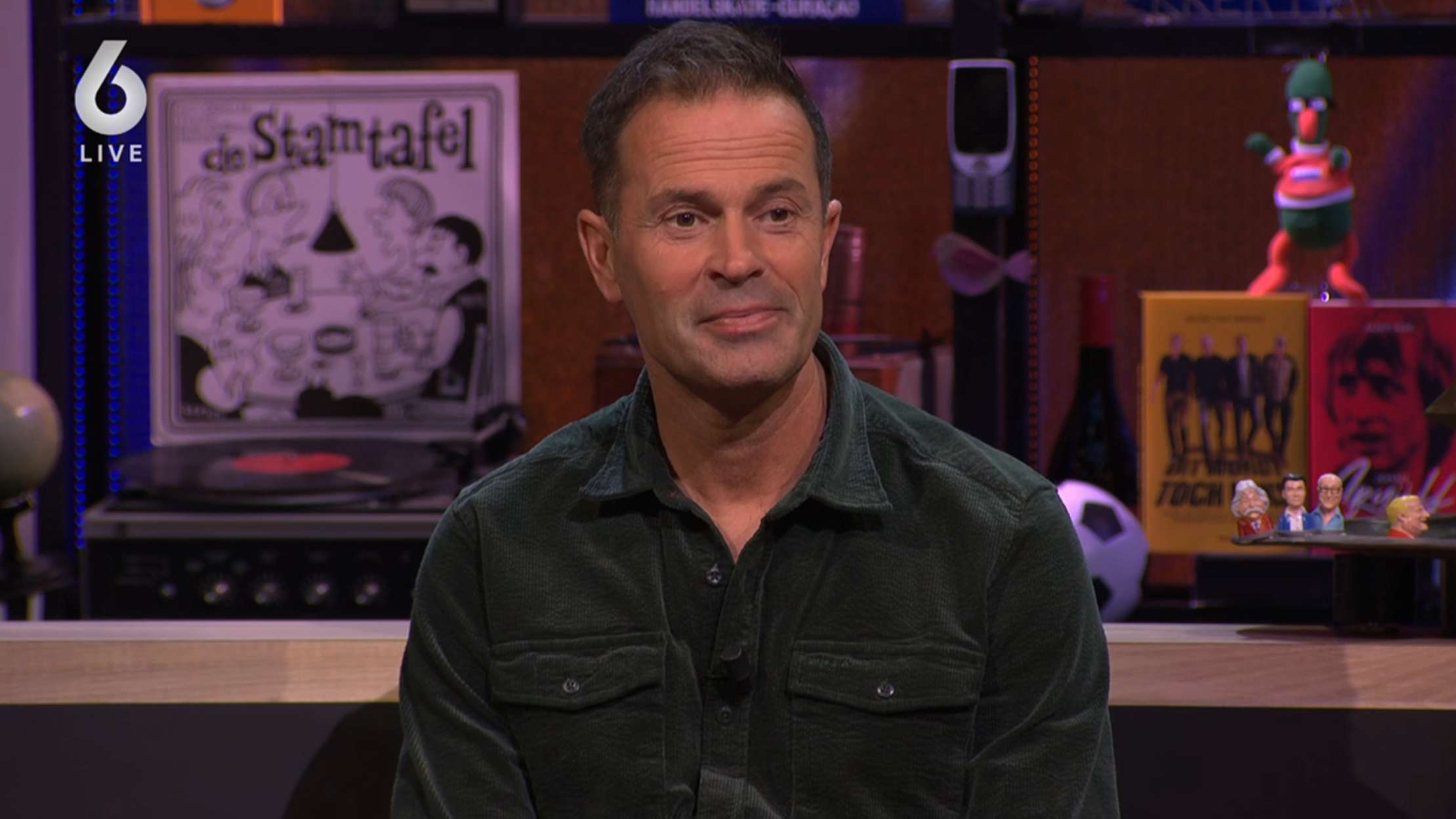
Referee Bas Nijhuis believes Ajax defender Jorthy Mokio should have been sent off during the club’s 1-1 draw with NEC, arguing that his foul on Noé Lebreton denied the visiting midfielder a clear opportunity to score. The incident became a major talking point after the match, with Nijhuis offering his assessment on the Dutch television programme Vandaag Inside.
Ajax were leading 1-0 when Mokio brought Lebreton down inside the home side’s penalty area. The NEC player appeared to have a clear route to goal, with the prospect of finishing into an unguarded net. The referee awarded a penalty, but Mokio remained on the pitch—a decision Nijhuis believes should have been different.
Nijhuis says the foul denied a clear goal-scoring chance
Explaining his view, Nijhuis focused on what Lebreton could have done if he had not been pulled down. “Here comes the ball and he is held. After that, he can put the ball in,” he said. “So you have to ask yourself: can he put the ball into the net unimpeded at that moment?”
For Nijhuis, the answer was clear. He concluded that Lebreton had a direct chance to score and that the nature of the foul met the threshold for a red card. “He has a clear shot at goal, so it’s a red card,” the former referee said.
The distinction matters because a penalty and a sending-off are not automatically the same decision. Referees must assess whether a foul inside the penalty area has stopped an obvious goal-scoring opportunity, taking account of factors such as the attacker’s position, the direction of play, the distance to goal and the likelihood of controlling the ball. Nijhuis’s argument is that Lebreton’s opportunity was so clear that a penalty alone did not adequately reflect the offence.
NEC made the most of the spot-kick. Tjaronn Chery converted from the penalty spot to bring the score to 1-1, which proved to be the final result. Had Mokio been dismissed, Ajax would also have faced the remainder of the match with ten players—a potentially significant consequence in a contest decided by a single goal.
Yellow card for Ouazane was the right call, says former referee
Nijhuis also reviewed a separate challenge involving Ajax’s Abdellah Ouazane and NEC forward Bryan Linssen. In this case, he supported the referee’s decision to show a yellow card, saying the contact did not warrant a harsher punishment.
“That’s foot on foot, with the studs pointing down. Yellow is the right decision here,” Nijhuis said. His explanation highlights how the details of a tackle can shape its disciplinary outcome. The point of contact, the direction of the studs and the force used all help officials judge whether a challenge is careless, reckless or dangerous.
That assessment contrasts with Nijhuis’s view of the Mokio incident. While he considered the Ouazane challenge worthy of a caution, he believed Mokio’s foul had stopped a clear chance to score. The two incidents underline why similar-looking contact can lead to different outcomes: referees must judge not only the tackle itself but also its effect on the attacking opportunity.
Gravenberch’s Manchester City dismissal also questioned
Nijhuis’s comments extended beyond the Ajax-NEC match. He also gave his verdict on Ryan Gravenberch’s two yellow cards in Liverpool’s 3-0 defeat to Manchester City, questioning whether the midfielder’s second caution was justified.
Nijhuis accepted the first booking, which followed contact with Manchester City’s Eliott Anderson. “The first one, yes, you can give that. He puts his foot on Eliott Anderson’s foot,” he said. In his view, the initial challenge could reasonably be punished with a yellow card.
He was far less convinced by the second decision. Nijhuis argued that the later contact was minimal and did not meet the standard for a caution. “That’s nothing. It’s not reckless and it’s not a promising attack either. He barely touches him. That’s not a second yellow card,” he said.
A second yellow card can have a major impact on a football match, particularly when it forces a team to play with ten men. That makes the consistency of decisions especially important: a referee must determine whether the challenge is serious enough to merit a booking on its own, rather than allowing the player’s earlier caution to influence the judgement.
Refereeing decisions shape the post-match debate
The incidents discussed by Nijhuis show how quickly disciplinary calls can become central to the story of a game. In Ajax’s draw with NEC, the penalty gave the visitors a route back into the match, while the decision not to send Mokio off left Ajax at full strength. Nijhuis’s interpretation suggests the outcome might have carried an additional consequence if the foul had been judged to deny an obvious goal-scoring opportunity.
His comments also offer a useful reminder that refereeing decisions are rarely judged by the result alone. The key questions are what the player was attempting, whether a genuine chance was developing, how much contact occurred and whether the challenge crossed the line from careless to reckless. Those details can be difficult to assess in real time, yet they can determine whether a player receives a warning, a yellow card or a red.
For supporters following Dutch football, Nijhuis’s verdict is likely to fuel discussion over Ajax’s defensive decision-making and the standards applied to penalty-area fouls. It also provides a clear prediction of the debate that will continue whenever a penalty is awarded without a dismissal: was the attacker truly denied a certain chance, or did the foul simply warrant a spot-kick? In Nijhuis’s view, Lebreton had a clear path to goal, and Mokio should have been sent off.