
Barcelona’s 6-1 Alavés Win Offers a Timely Reminder: One Defeat Is Not a Crisis
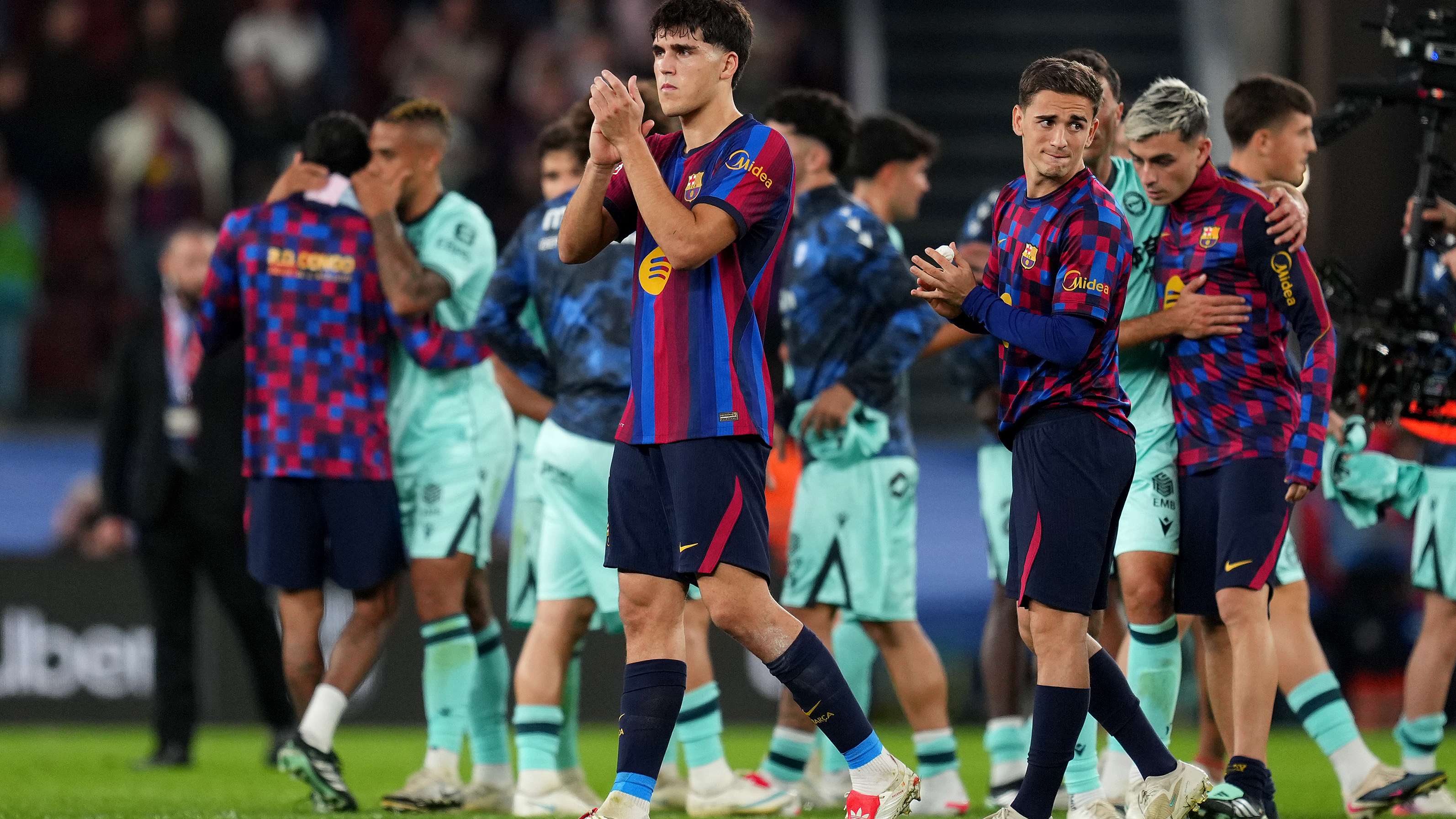
Barcelona responded emphatically to recent setbacks, sweeping aside Deportivo Alavés 6-1 on Saturday and giving supporters a performance to enjoy after defeats to Paris Saint-Germain and Real Madrid had prompted debate about the team’s direction. The result provides a striking boost, but former club spokesman and presidential candidate Toni Freixa has urged fans and commentators not to treat every loss as evidence of a deeper problem.
Writing for the Catalan newspaper Sport, Freixa argued that defeats against elite opposition are an unavoidable part of a long football season. Barcelona’s recent losses deserve analysis, he suggested, but they should not automatically trigger predictions of collapse or claims that the team’s future is in jeopardy. The club has experienced difficult stretches before—and, in his view, has repeatedly shown it can recover.
Barcelona’s Strong Start Raised Expectations
Freixa noted that Barcelona’s impressive opening run in La Liga created a wave of excitement that may have grown beyond what the results alone could justify. When a team begins a campaign at a high level, expectations rise quickly. A subsequent defeat can then feel more dramatic, particularly when it comes against a major rival or a European heavyweight.
That reaction, however, does not necessarily reflect the full picture. Football seasons are shaped by changing form, injuries, demanding schedules and the quality of the opposition. A team can suffer a poor result without losing the strengths that made it successful in the first place. Freixa’s central message was that Barcelona should be judged over time, rather than defined by a short run of disappointing matches.
The 6-1 victory over Alavés reinforces that point. A convincing win cannot erase every concern raised by earlier defeats, but it does show how quickly the mood around a team can shift. For Barcelona, the challenge now is to build on that performance, maintain consistency and turn an encouraging response into a sustained run of results.
Past Setbacks Did Not Prevent Barcelona from Winning
To support his argument, Freixa pointed to difficult periods in Barcelona’s recent history. Last season, the Catalan side lost at home to Paris Saint-Germain, suffered a 4-1 defeat to Sevilla at the Ramón Sánchez-Pizjuán and needed a late goal to beat Girona 2-1. The team then lost to Real Madrid at the Santiago Bernabéu.
Those results raised questions, but they did not determine the entire campaign. Freixa also recalled the period described by coach Hansi Flick as “dirty November” during the 2024-25 season. Barcelona lost to Real Sociedad, drew with Celta Vigo and then endured three consecutive home defeats against Las Palmas, Leganés and Atlético Madrid.
For a club with Barcelona’s ambitions, that sequence was undeniably difficult. Yet Freixa highlighted the broader outcome: across the two seasons he referenced, Barcelona went on to win five of six available domestic titles. His point is not that poor performances should be ignored, but that setbacks need to be placed in context. A team’s response, its ability to adjust and its results over a full campaign often matter more than one isolated loss.
Freixa Criticises “End-of-the-World” Predictions
The former Barcelona presidential candidate also criticised what he described as “end-of-the-world narratives” that emerge whenever the club loses. In his view, some reactions turn ordinary sporting setbacks into claims of crisis, encouraging pessimism instead of measured discussion.
Freixa linked that intensity to Barcelona’s history of success. Over the previous 12 seasons, he said, the club won seven La Liga titles and six Copa del Rey trophies. Real Madrid, by comparison, collected four league championships and one domestic cup over the same period. Freixa presented the 13-5 difference as a measure of Barcelona’s domestic achievement—and suggested that the possibility of the gap growing further can fuel anxiety among rival supporters.
That comparison is Freixa’s interpretation, rather than a complete measure of either club’s success. Rivalries are shaped by European results, head-to-head matches and individual seasons as well as trophy totals. Still, his broader point is clear: Barcelona’s recent record gives the club a strong foundation, and a couple of defeats should not automatically erase the progress made over several years.
What the Result Means for Barcelona’s Season
The Alavés match offers a useful moment for Barcelona to reset. A six-goal performance can restore confidence, give attacking players momentum and help the team move forward with greater belief. At the same time, one big scoreline should not become a reason for premature celebration. The more meaningful test will be whether Barcelona can reproduce its intensity and concentration in the matches that follow.
For supporters considering a football prediction, recent results are only one part of the equation. Form, defensive organisation, player availability, fixture difficulty and the quality of the opposition all influence what may happen next. Barcelona’s response against Alavés is encouraging, but consistency will be the key indicator of whether the team has truly moved beyond its earlier setbacks.
Freixa concluded that Barcelona have been doing strong work and can continue to demonstrate their quality throughout the season, despite attempts by some observers to frame every setback as a turning point. His argument is ultimately a call for perspective: analyse defeats honestly, celebrate convincing wins, and avoid drawing sweeping conclusions too soon.
Barcelona’s 6-1 victory has provided a powerful answer on the pitch for now. Whether it marks the start of a lasting revival will depend on what comes next. But the club’s recent history, as Freixa emphasised, suggests that a stumble does not have to become a crisis—and that a team with resilience can still shape its season after a difficult spell.