
Barcelona Files Complaint with UEFA Over Missed Penalty in Champions League Quarter-Finals
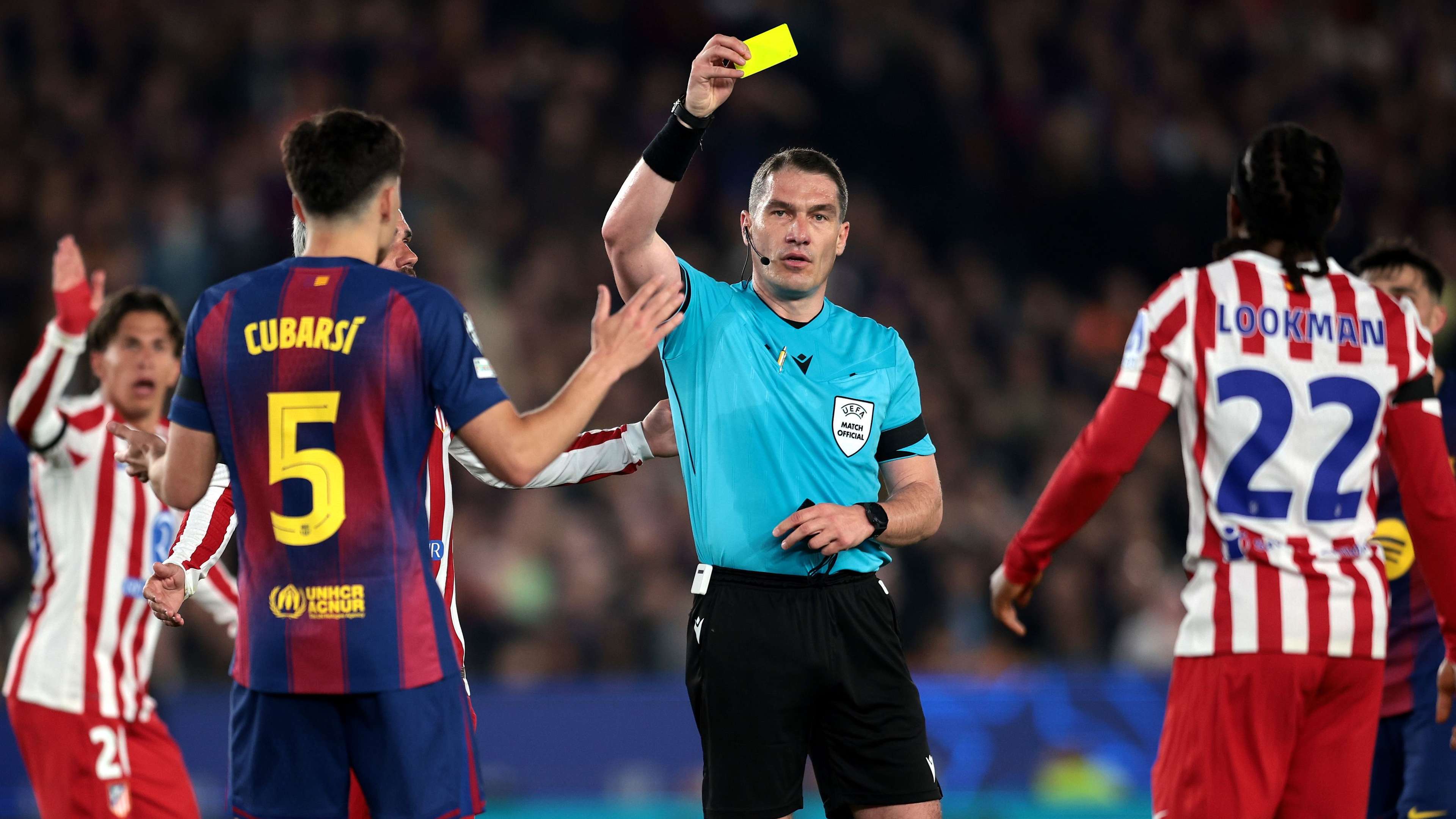
Barcelona recently made headlines after lodging an official complaint with UEFA following a controversial incident in their first leg Champions League quarter-final match against Atlético Madrid. The Catalan club was left fuming after a penalty was not awarded in their favor, prompting them to take action against the officiating.
Official Complaint and Demands
The complaint submitted by Barcelona to UEFA requested a thorough investigation into the events surrounding the missed penalty. The club specifically asked for access to all communications between the match referee and the video assistant referee (VAR) during the game. This move was aimed at shedding light on the decision-making process and uncovering any potential errors that may have occurred.
However, reports from Spanish newspaper Mundo Deportivo suggest that UEFA has a policy of not releasing such recordings to clubs or the public. Despite the club’s efforts, it seems unlikely that they will be granted access to the requested communication. This leaves Barcelona with limited options for recourse in addressing the controversial incident.
One possible course of action for Barcelona would be to physically travel to UEFA’s headquarters in Nyon to listen to the recordings in person. This procedure has been utilized in Spain, where the Referees’ Committee allows clubs to review audio recordings at their offices without releasing them to the public. While this may provide some insight into the decision-making process, it falls short of the transparency Barcelona is seeking in this matter.
Barcelona’s Strong-worded Statement
Following the incident, Barcelona released a strong-worded statement expressing their dissatisfaction with the officiating in the match. The club made four specific demands of UEFA in response to the missed penalty and subsequent controversy. These demands underscore Barcelona’s commitment to fairness and transparency in football.
Despite the ongoing dispute with UEFA, Barcelona remains focused on their upcoming matches and the remainder of the Champions League campaign. The club’s determination to succeed on the pitch is evident, as they continue to push for accountability and fair play in the sport.
As the football world awaits further developments in this case, Barcelona’s actions have sparked a debate on the role of VAR and officiating in modern football. The controversy surrounding the missed penalty in the Champions League quarter-finals serves as a reminder of the importance of accuracy and transparency in decision-making on the field.
Stay tuned for updates on Barcelona’s complaint with UEFA and the ongoing discussion surrounding the incident in the Champions League quarter-finals.
The Impact of VAR on Football
The use of Video Assistant Referee (VAR) technology in football has been a topic of debate since its introduction. While VAR was implemented to reduce officiating errors and ensure fairness on the field, incidents like the missed penalty in the Barcelona vs. Atlético Madrid match highlight the challenges that come with its implementation.
VAR has brought about a new level of scrutiny to refereeing decisions, with many arguing that it disrupts the flow of the game and leads to controversial calls. The reliance on technology to make crucial decisions has raised questions about the subjective interpretation of rules and the potential for human error in the review process.
Despite its flaws, VAR has also proven to be a valuable tool in correcting clear mistakes and promoting fairness in football. The technology has helped rectify numerous incorrect decisions and has been credited with improving the overall accuracy of officiating in the sport.
The Role of Transparency in Officiating
The case of Barcelona’s complaint with UEFA underscores the importance of transparency in officiating. Clubs and fans alike expect a high level of accountability from referees and governing bodies when it comes to crucial decisions that impact the outcome of matches.
Transparency in communication between referees, VAR officials, and clubs can help build trust in the officiating process and provide clarity on contentious incidents. Allowing clubs access to recordings of key communications can promote a better understanding of decision-making and help prevent future controversies.
While UEFA’s policy of not releasing recordings to clubs may be intended to protect the integrity of the officiating process, there is a growing demand for greater transparency in football. Balancing the need for confidentiality with the desire for accountability is a challenge that governing bodies must navigate to maintain the trust of fans and stakeholders.
The Future of Officiating in Football
Looking ahead, the controversy surrounding the missed penalty in the Champions League quarter-finals serves as a catalyst for discussions on the future of officiating in football. As technology continues to evolve and shape the way matches are officiated, the sport must find a balance between embracing innovation and preserving the human element of refereeing.
Clubs like Barcelona play a crucial role in holding governing bodies accountable for ensuring fairness and transparency in officiating. By challenging controversial decisions and demanding access to key communications, clubs can advocate for greater oversight and integrity in the game.
As the football world grapples with the implications of VAR and the growing scrutiny of officiating, ongoing dialogue and collaboration between clubs, governing bodies, and technology providers will be essential in shaping the future of refereeing in the sport.
Stay tuned for further developments on the Barcelona complaint with UEFA and the broader conversation on officiating in football.