
Raphinha’s Recurring Injuries with Brazil Spark Concerns at Barcelona: A Deep Dive into the Injury Prediction and Prevention Strategies
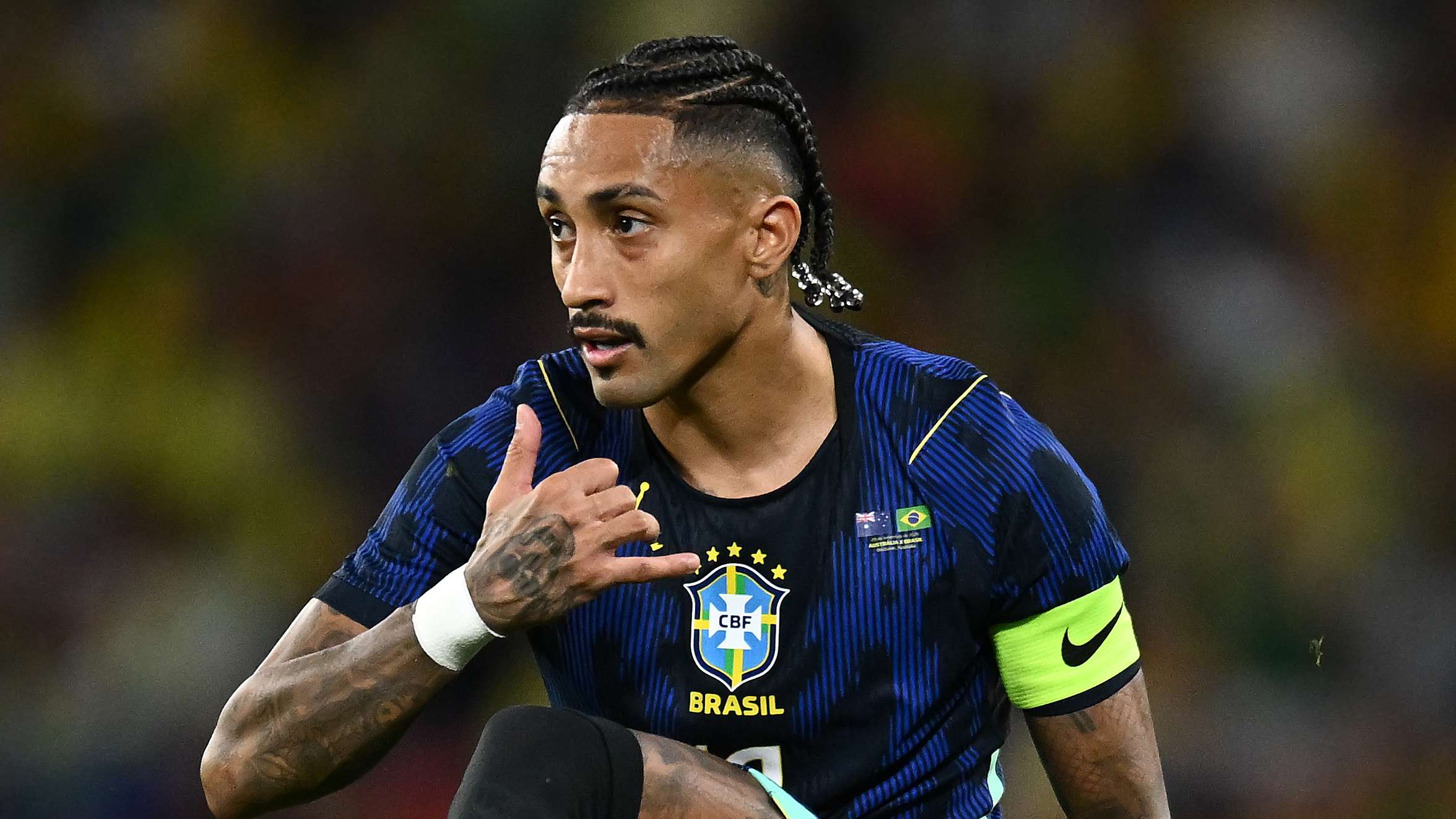
In the world of professional football, few issues generate as much concern among clubs, fans, and sports scientists as recurring injuries. For Barcelona, the recurring thigh injuries of winger Raphinha during his international duties with Brazil have become a pressing matter that demands immediate attention. The Catalan giants are now actively seeking answers to understand why their star player consistently sustains injuries when representing his country, despite being fit and performing well at the club level.
Understanding the Pattern: Raphinha’s Injury History and Recent Incidents
Raphinha, renowned for his agility, dribbling skills, and goal-scoring ability, began the 2026 season with a remarkable start at Barcelona. His performances on the pitch were impressive, coinciding with the arrival of new physical trainer Benjamin Kugel, who was brought in to optimize player fitness and injury prevention strategies. However, this promising start was marred by a series of injuries, particularly when Raphinha donned the Brazilian national team jersey.
The most alarming pattern is that all three recent injuries occurred in the same anatomical location: the thigh of his right leg. This recurring issue has sparked serious concern among Barcelona’s medical and coaching staff, prompting a detailed investigation into the underlying causes.
The Injury Timeline: From Club to International Duty
To fully grasp the severity of the situation, it’s essential to chronologically examine Raphinha’s injury history:
- March 2026: Raphinha suffered a hamstring injury in a friendly match against France in Boston, which sidelined him during Barcelona’s crucial Champions League quarter-final clash against Atlético Madrid. The injury not only caused him to miss vital European fixtures but also raised questions about whether such injuries could be linked to training routines or match preparation methods.
- June 2026: During Brazil’s second World Cup match against Haiti, Raphinha felt pain in his right thigh hamstring. Despite being initially assessed as fit, he sat out subsequent matches against Scotland and Japan. His potential involvement in the round of 16 clash against Norway was limited to the bench, as he was still recovering from the previous injury.
- October 2026: Upon returning from international duty in Australia, Raphinha was sidelined once again with another thigh injury—this time in the same spot as before, raising red flags about a possible pattern or underlying issue.
Despite these setbacks, Raphinha has demonstrated resilience. Recently, he featured fully in matches against Australia and Getafe, indicating progress. However, the recurrence of injuries in the same region signals the need for a comprehensive assessment.
Barcelona’s Response: Investigating the Root Causes
Barcelona’s medical staff, led by chief physiotherapist, is now set to engage in detailed consultations with Raphinha. The primary goal is to identify whether the injuries stem from:
- Differences in training or warm-up routines between club and international duties
- Potential overexertion during international matches, leading to muscle fatigue
- Biomechanical factors or underlying muscular imbalances that predispose him to injury
- Differences in recovery protocols when playing for Brazil versus Barcelona
It is particularly important to evaluate if Raphinha’s warm-up procedures with Brazil differ significantly from those at Barcelona, as inconsistent routines can increase injury risk. The club aims to tailor a unified prevention strategy that ensures the player remains healthy regardless of where he is playing.
The Science Behind Football Injuries and Prediction Models
In recent years, sports scientists and medical teams have increasingly relied on advanced injury prediction models to anticipate and prevent injuries among elite athletes. These models incorporate data such as muscle strength, fatigue levels, training loads, movement biomechanics, and recovery metrics to estimate injury risk with greater accuracy.
For Raphinha, applying such predictive analytics could be a game-changer. By monitoring his muscle health and workload in real time, Barcelona’s medical team hopes to identify early warning signs before injuries occur. This approach aligns with the broader trend in football prediction strategies, emphasizing proactive injury prevention over reactive treatment.
Implications for Football Prediction and Player Management
The recurring thigh injuries of Raphinha highlight the importance of integrating predictive analytics into player management. Injury prediction models can help clubs optimize training loads, customize warm-up routines, and implement targeted strength and conditioning programs. Moreover, they can guide decisions about player rotations during congested schedules, especially when players are involved in international tournaments.
For football prediction enthusiasts and sports scientists, Raphinha’s case underscores the necessity of combining traditional clinical assessments with data-driven insights. Such strategies not only enhance player longevity but also improve team performance by reducing unexpected absences.
Looking Ahead: The Road to Recovery and Prevention
While Raphinha’s injury does not appear to be severe at present, the repeated pattern presents a clear warning sign. The immediate focus for Barcelona is to ensure that he recovers fully and that similar injuries are prevented in future international campaigns.
In the long term, developing personalized injury prevention programs based on predictive analytics, biomechanical assessments, and individualized training routines will be crucial. These initiatives will help safeguard the player’s health and optimize his performance, ultimately contributing to his and Barcelona’s success on the pitch.
Final Thoughts: The Balance Between Football, Prediction, and Player Well-being
Raphinha’s injury saga exemplifies the complex interplay between football prediction, athlete health, and performance management. As clubs increasingly adopt innovative technologies and data strategies, they can better predict, prevent, and manage injuries, ensuring players remain at their peak during critical moments.
For fans and pundits, understanding these dynamics adds a new layer of appreciation for the meticulous planning behind every match and player selection. As Barcelona works to break the injury pattern, the emphasis on sophisticated prediction models and personalized care promises a brighter, healthier future for football stars like Raphinha.
Ultimately, the key takeaway is that injury prediction in football is no longer just about reacting to injuries but proactively preventing them—an approach that could redefine how the beautiful game is played, managed, and enjoyed worldwide.