
Ronald Araujo Opens Up About Mental Health Struggles
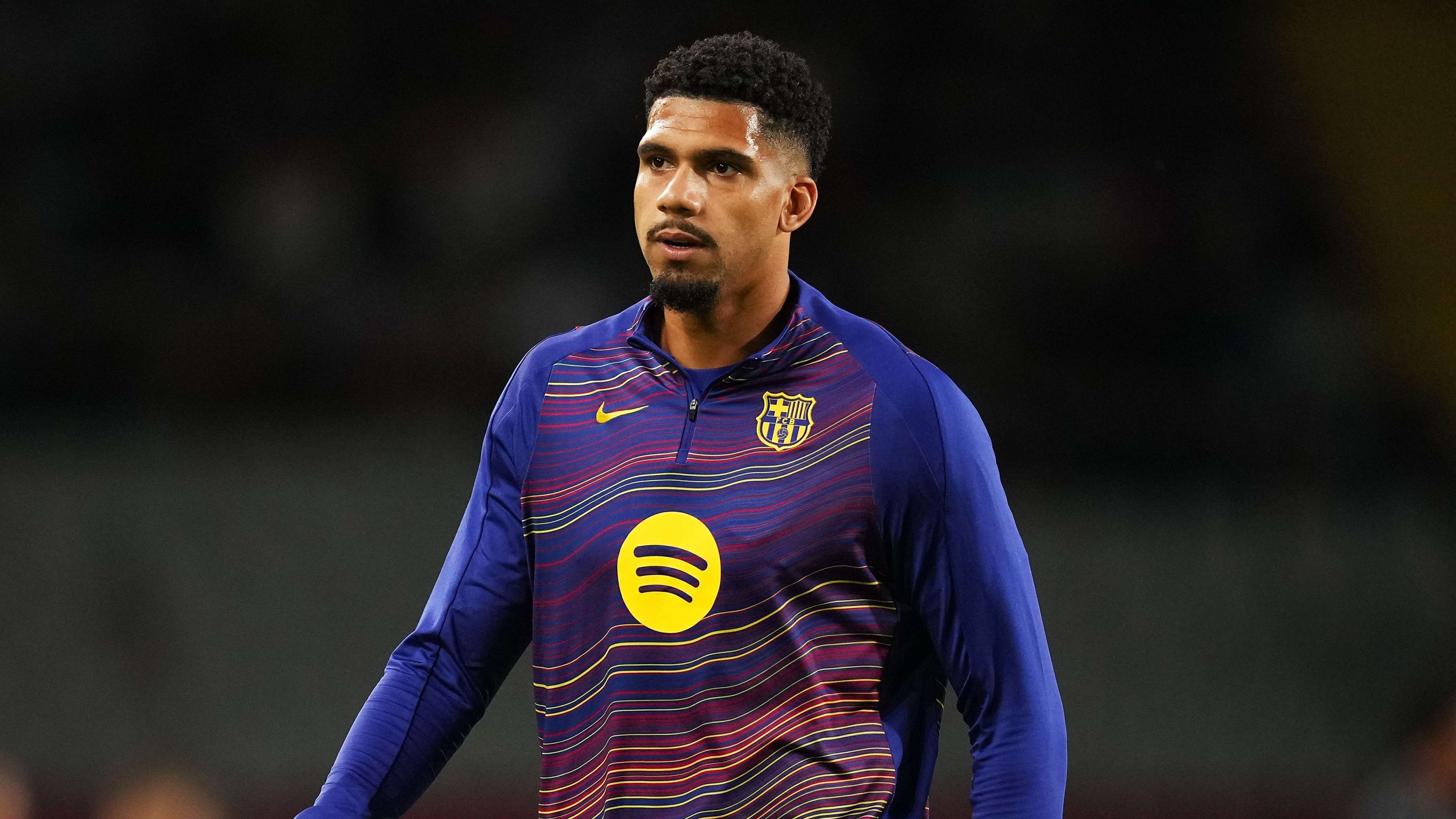
Barcelona defender Ronald Araujo recently made headlines not for his performance on the pitch, but for his candid revelation about his battle with mental health issues. In a brave and honest statement, Araujo admitted that he had been dealing with depression and anxiety for over a year before finally seeking help.
“I hit rock bottom,” Araujo confessed. “I was playing through the pain every day, both physically and mentally. It was a dark period in my life, but I knew I couldn’t continue like that.”
Breaking Point and Recovery
For Araujo, the turning point came when he realized he couldn’t handle the pressure alone anymore. After seeking professional help and taking some time off from the game, he found the strength to confront his mental health issues head-on.
Following a spiritual retreat, Araujo has now returned to action with Barcelona, feeling stronger and more determined than ever. He hopes that by sharing his story, he can encourage others to prioritize their mental well-being and not suffer in silence.
A Message of Support and Encouragement
Araujo’s openness about his struggles with mental health has sparked a wave of support and encouragement from fans, teammates, and fellow athletes. Many have praised his bravery in speaking out and have offered words of encouragement as he continues on his journey towards healing.
His story serves as a reminder that even those in the spotlight can struggle with mental health issues and that seeking help is not a sign of weakness, but of strength. Araujo’s message is clear: no one should have to face their battles alone.
The Importance of Mental Health in Football
While physical fitness and skill are often the focus in the world of football, Araujo’s story highlights the importance of mental health in the sport. The pressures of performing at the highest level, dealing with expectations, and facing constant scrutiny can take a toll on players’ mental well-being.
It is crucial for clubs, coaches, and players to prioritize mental health awareness and support systems to ensure the overall well-being of those involved in the game. By destigmatizing conversations around mental health and promoting a culture of openness and support, the football community can create a healthier and more sustainable environment for all.
Final Thoughts
Ronald Araujo’s journey of overcoming mental health struggles serves as a powerful reminder of the importance of seeking help and opening up about one’s struggles. His story is a beacon of hope for those facing similar challenges and a call to action for the football community to prioritize mental health awareness and support.
As Araujo continues to excel on the pitch, his courage in sharing his story off the field is a testament to his strength and resilience. Let his journey be a source of inspiration for all, showing that with the right support and determination, anyone can overcome their mental health obstacles and emerge stronger on the other side.
The Impact of Mental Health Issues on Performance
It is crucial to acknowledge that mental health issues can significantly impact a player’s performance on the football pitch. Depression, anxiety, and other mental health conditions can affect a player’s focus, motivation, and overall well-being, leading to a decline in performance. By sharing his struggles, Araujo sheds light on the fact that mental health is just as important as physical health when it comes to succeeding in football.
Players often face intense pressure to perform, both from external sources such as fans, coaches, and the media, as well as internal pressure they place on themselves. This constant pressure can exacerbate mental health issues and create a vicious cycle of stress and anxiety. By addressing these issues openly, players like Araujo are not only taking care of themselves but also setting a positive example for others in similar situations.
The Role of Support Systems in Mental Health Recovery
One of the key factors in Araujo’s recovery journey was the support he received from professionals, teammates, and loved ones. Having a strong support system can make a world of difference for individuals struggling with mental health issues. Whether it’s therapy, counseling, or simply having someone to talk to, having support can help individuals navigate their challenges and work towards healing.
Football clubs and organizations also play a crucial role in supporting players’ mental health. By providing access to mental health resources, offering education on mental well-being, and fostering a culture of openness and support, clubs can create a safe and nurturing environment for players to seek help when needed. It is essential for clubs to prioritize mental health initiatives to ensure the overall well-being of their players.
Breaking Down Stigmas and Promoting Awareness
By speaking out about his mental health struggles, Araujo is helping to break down stigmas surrounding mental health in football and beyond. The more athletes and public figures share their stories, the more normalized conversations around mental health become. This normalization is essential in encouraging individuals to seek help without fear of judgment or stigma.
It is crucial for the football community to continue promoting awareness and education around mental health. By destigmatizing mental health issues, players are more likely to seek help when needed, leading to better overall mental well-being and performance both on and off the pitch.
Conclusion
Ronald Araujo’s courage in opening up about his mental health struggles has had a profound impact not only on the football world but on society as a whole. His journey serves as a powerful reminder that mental health is a crucial component of overall well-being, and seeking help is a sign of strength, not weakness.
As Araujo continues to thrive in his career, his story will undoubtedly inspire others to prioritize their mental health and seek support when needed. By fostering a culture of openness, support, and understanding, we can create a world where mental health is valued just as much as physical health, leading to healthier and happier individuals both on and off the football pitch.