
Ballon d’Or Set for Historic 70th Anniversary Celebration in London
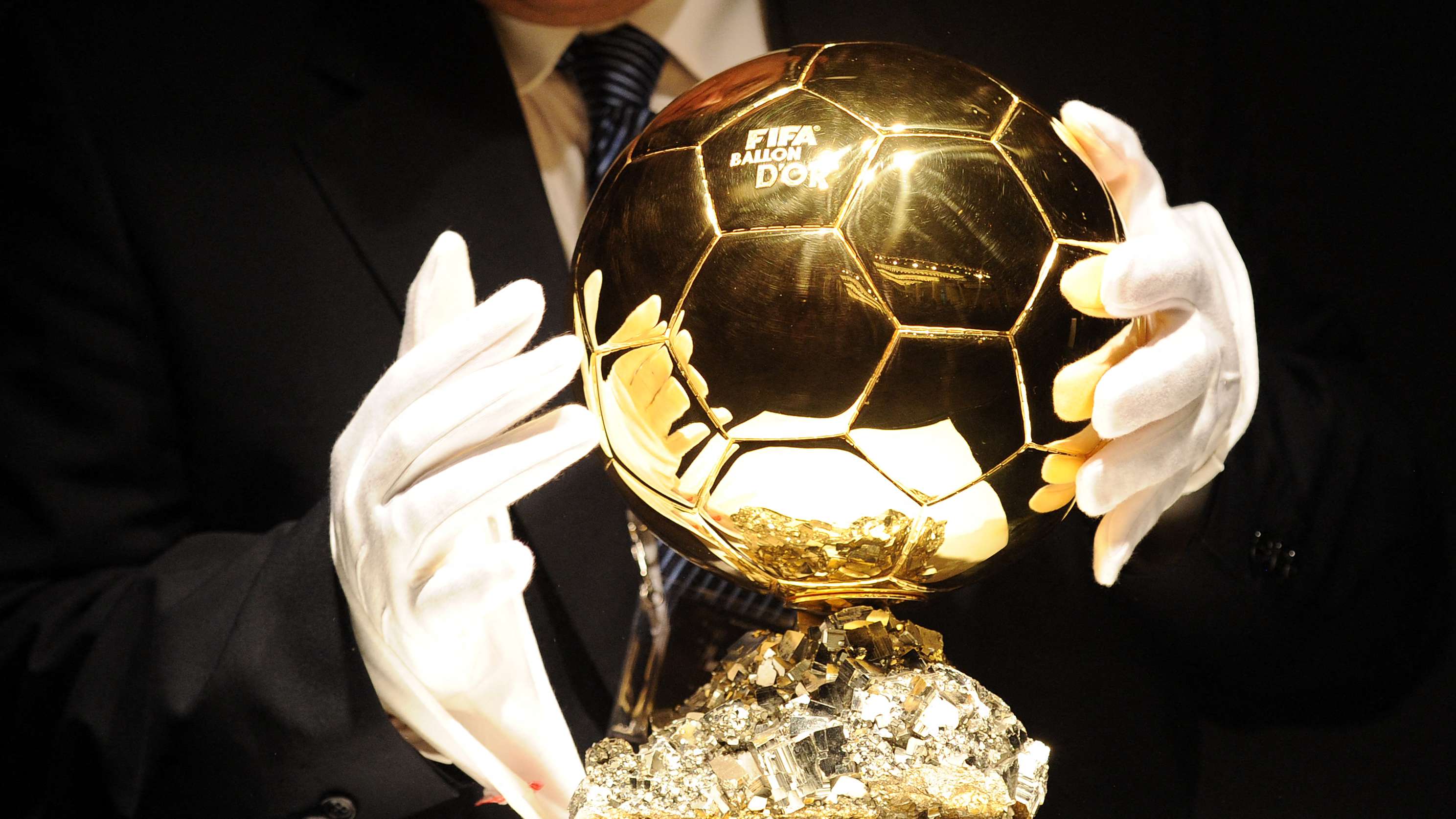
The football world is preparing for a landmark evening as the Ballon d’Or marks its 70th anniversary with a first-of-its-kind celebration in London. For the first time in the award’s history, the prestigious ceremony will be held in the English capital, with the iconic London Palladium Theatre chosen to host the gala.
The venue gives the anniversary a distinctive setting. Known for its long history of major performances and high-profile events, the Palladium will welcome leading players, coaches, club figures and guests from across the game. The move brings football’s most closely watched individual awards to a city with a deep connection to the sport and a global reputation for staging major occasions.
A Milestone for Football’s Most Famous Individual Award
Since its creation in 1956, the Ballon d’Or has become one of football’s most recognizable honors. Its annual winner is celebrated not only for technical ability, but also for the influence, consistency and defining moments that shape a player’s season. Over seven decades, the award has reflected changes in the game, from the rise of global superstars to the growing importance of women’s football and the international reach of modern club competitions.
The 70th anniversary therefore offers more than a new location. It provides an opportunity to look back at the players and performances that have helped define football history, while turning attention toward the next generation of contenders. A London ceremony gives that reflection an international stage, bringing together the sport’s past and present in one of its most celebrated cultural venues.
Why London Is a Fitting Host City
London’s selection is a notable development for a ceremony that has traditionally been associated with other European settings. The city is home to a passionate football audience, major clubs and a wide range of supporters whose interest extends well beyond the Premier League. It is also a natural destination for an event intended to attract viewers and guests from around the world.
Staging the gala at the London Palladium adds a theatrical dimension to the occasion. The venue’s grand interior and reputation for hosting memorable events are well suited to an awards night built around anticipation, celebration and surprise. For players and guests, the setting is likely to make the ceremony feel different from a conventional football event, while still keeping the focus firmly on the achievements being recognized.
The location may also broaden the event’s appeal to audiences who follow football through different leagues and competitions. London is an internationally connected city, and its status as a major travel and media hub can help bring greater visibility to the anniversary. The ceremony is expected to draw attention not only from football fans, but also from wider entertainment and sports audiences.
What to Expect from the Ballon d’Or Gala
The Ballon d’Or ceremony is watched closely because it combines celebration with debate. Supporters often compare the nominees’ statistics, trophies and individual contributions, while analysts examine how performances across a full season should be weighed. Goals and assists matter, but so do leadership, consistency in major matches and the ability to influence a team’s success.
That mix of measurable output and expert judgment makes any football prediction about the eventual winners difficult. A player may produce outstanding numbers, yet face strong competition from a rival whose impact was felt in decisive fixtures or across multiple competitions. Team achievements can strengthen a case, but the award also recognizes individual excellence, meaning the final result is rarely determined by a single statistic.
With the ceremony marking a significant anniversary, interest is likely to extend beyond the headline award. Fans will be watching the full range of honors and celebrating the breadth of talent in the modern game. The event also offers a chance to recognize achievements across different categories and to highlight the increasingly global nature of football’s leading performers.
How the Anniversary Could Shape the Conversation
A 70th anniversary naturally invites comparisons between generations. Supporters may revisit past winners and ask how today’s stars would be judged against players from earlier eras, when the sport’s tactics, schedules and international reach were very different. Such comparisons are part of the Ballon d’Or’s enduring appeal, even though changes in the game make direct rankings difficult.
The occasion may also renew discussion about what the award should represent. Some fans prioritize individual brilliance, while others believe collective success should carry greater weight. There are also continuing conversations about how to compare players in different positions, leagues and roles. A defender’s influence, for example, may not be captured as easily by goal statistics, while a midfielder’s contribution can extend far beyond the final pass.
These debates are not a distraction from the ceremony; they are part of what makes it a major football event. The Ballon d’Or gives fans a shared point of discussion, encouraging them to assess the season and explain what they believe excellence looks like. In its anniversary year, those conversations are likely to carry extra historical significance.
A Global Celebration of the Game
Holding the 70th Ballon d’Or gala in London signals the scale and international character of modern football. The award has grown from a European honor into a globally followed ceremony, with contenders and supporters drawn from every corner of the sport. Its destination in one of the world’s best-known cities reflects that broader reach.
For the football community, the London event promises a memorable blend of history, glamour and sporting discussion. The London Palladium will provide a striking backdrop, but the central attraction will remain the players whose performances have captured attention throughout the season. As anticipation builds, fans will be forming their own predictions, revisiting key matches and weighing the strongest cases.
When the ceremony arrives, the anniversary will be about more than presenting trophies. It will celebrate seven decades of footballing achievement and the individuals who have helped shape the sport’s story. By bringing the Ballon d’Or to London for the first time, the organizers are giving this milestone a fresh setting—and adding a new chapter to the history of football’s most famous individual award.