
India’s Rising Stars in Badminton: Treesa Jolly and Gayatri Gopichand Shine at the Asian Games 2026
The Asian Games 2026 has once again spotlighted the exceptional talent emerging from India’s badminton scene, with young doubles specialists Treesa Jolly and Gayatri Gopichand making a remarkable impact. Their recent victory over Japan’s formidable pair, Mayu Matsumoto and Yuki Fukushima, marks a significant milestone in their careers and brings India closer to historic achievements in women’s badminton doubles at the Asian Games.
Historic Win for India in Women’s Doubles Badminton
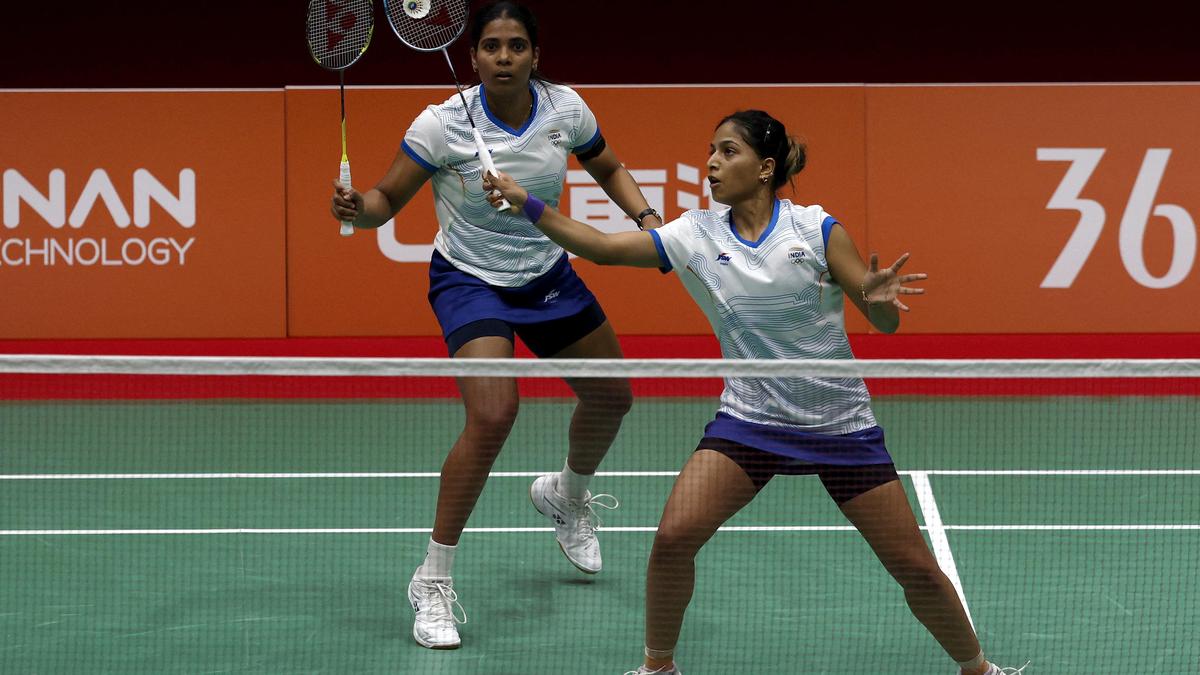
On a tense Saturday evening at the Ichinomiya City Municipal Gymnasium, Treesa Jolly and Gayatri Gopichand showcased resilience, skill, and strategic prowess to defeat Japan’s seasoned duo, Mayu Matsumoto and Yuki Fukushima. The match, which lasted approximately one hour, was a thrilling display of high-caliber badminton, ultimately culminating in a hard-fought 24-22, 21-18 victory for the Indian pair.
This victory is not just a win in a match; it signifies a potential breakthrough for Indian women’s badminton doubles on the Asian stage. Historically, India has been recognized for its strength in singles events and men’s doubles, but success in women’s doubles has remained elusive. Treesa and Gayatri’s triumph could herald a new era, paving the way for India’s first-ever medal in women’s doubles at the Asian Games.
Match Breakdown: A Battle of Wits and Endurance
The contest opened with the Indian duo displaying aggressive play, aiming to unsettle the Japanese pair early on. Their energetic start paid off, and they secured the first game with a narrow margin of 24-22. The game was a rollercoaster, with both teams exchanging leads and demonstrating exceptional rally endurance. The Japanese pair, known for their tactical discipline, fought back fiercely, making the first game a nail-biting affair.
In the second game, Matsumoto and Fukushima intensified their assault, taking an early lead and establishing an 11-8 advantage at the interval. Despite Japan’s momentum, Treesa and Gayatri refused to give in, mounting a spirited comeback. They leveled the scores twice at 15-15 and again at 18-18, showcasing their mental toughness and tactical adaptability. The match was decided on their first of three match points, which they converted to seal the victory. This resilience under pressure highlights the duo’s potential to become top contenders in international badminton tournaments.
Historical Significance and Future Prospects
With this victory, Treesa Jolly and Gayatri Gopichand are now positioned to make history as India’s first women’s doubles team to advance to the Asian Games quarterfinals and potentially secure a medal. Their upcoming clash against Malaysia’s Pearly Koong Le Tan and Thinaah Muralitharan will be critical. A win would guarantee at least a bronze medal, a feat that could elevate India’s status in badminton at the continental level.
Beyond the immediate tournament, their success underscores the rapid development of Indian badminton, particularly among young women athletes who are breaking stereotypes and elevating the sport’s profile in the country. Their journey is inspiring a new generation of players, encouraging increased investment in training infrastructure, coaching expertise, and competitive opportunities.
Context: India’s Badminton Journey at the Asian Games
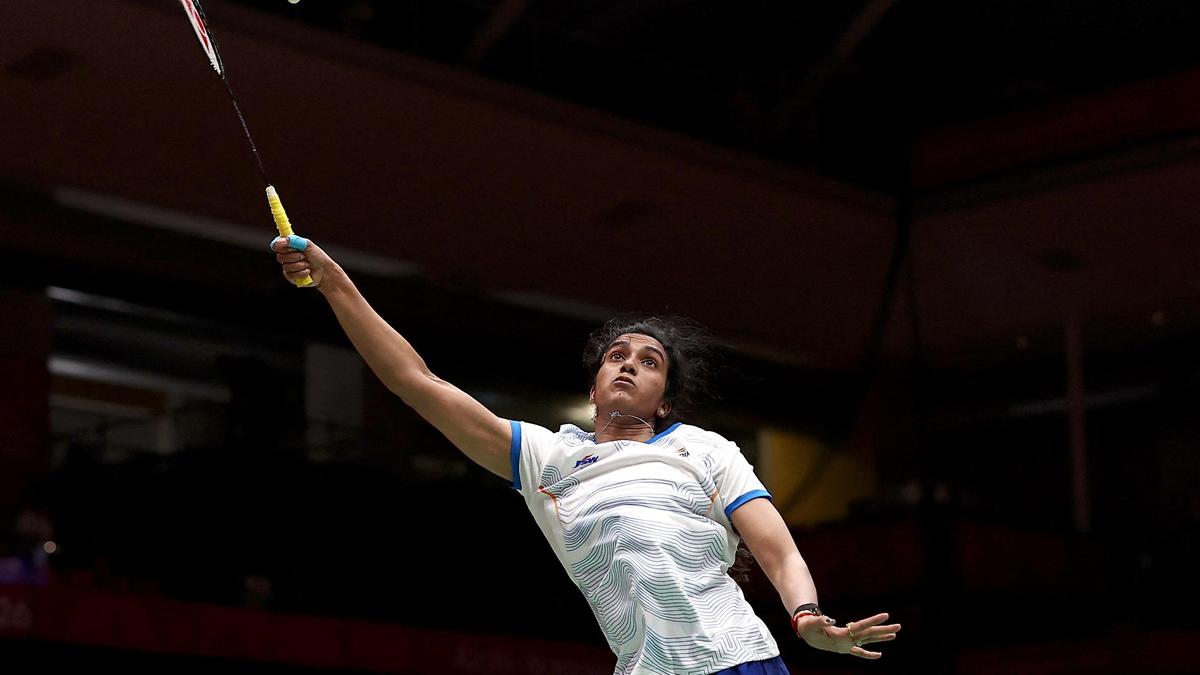
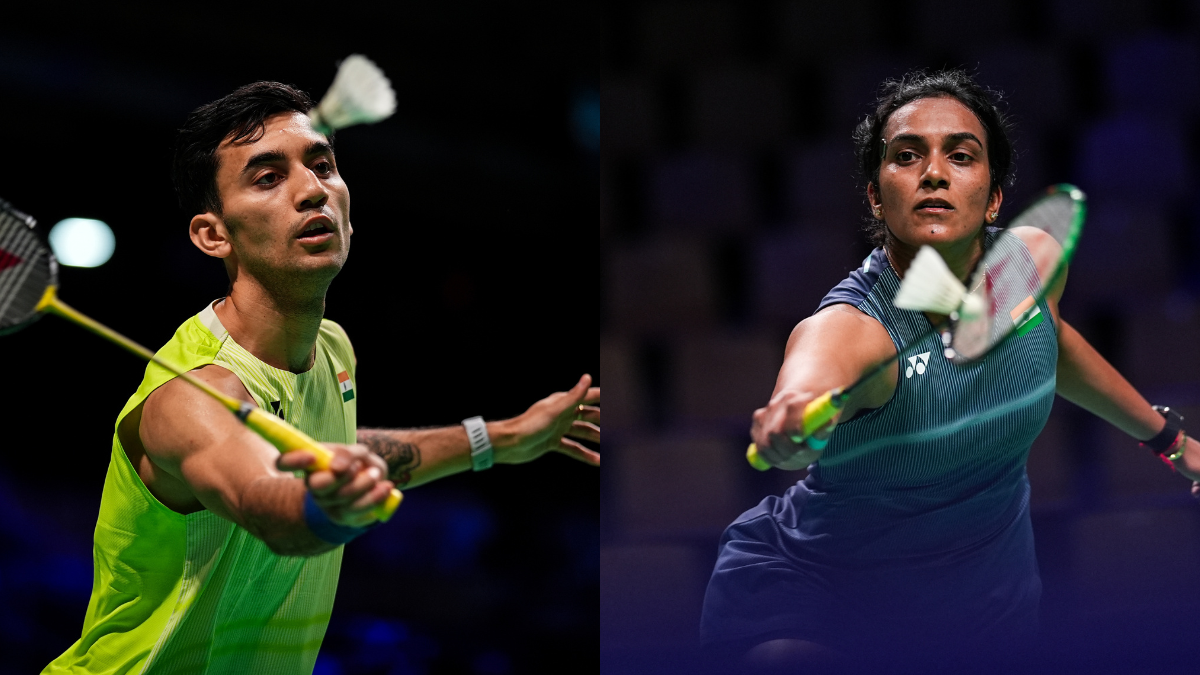
India has traditionally excelled in badminton, especially in singles, with icons like P.V. Sindhu, Saina Nehwal, and Kidambi Srikanth setting high standards. However, the women’s doubles discipline has lagged behind, with India often struggling to make significant breakthroughs in recent editions. The performance of Treesa and Gayatri signals a promising shift, aligning with the broader efforts to nurture doubles specialists and diversify India’s medal prospects in badminton.
Earlier in the Games, the Indian women’s team made a commendable run, reaching the quarterfinals before narrowly losing to Japan with a 1-3 scoreline. Despite the defeat, their collective effort demonstrated the depth of talent within Indian badminton, setting the stage for future successes on the international stage.
Implications for Indian Badminton and the Asian Games
The triumph of Treesa and Gayatri is widely viewed as a testament to the evolving landscape of Indian badminton, which is increasingly emphasizing doubles and mixed doubles disciplines alongside traditional singles strengths. Their victory not only boosts confidence but also highlights the importance of specialized training, mental toughness, and tactical innovation in modern badminton.
As the tournament progresses, all eyes will be on this young Indian duo to see if they can emulate the success of India’s badminton legends and clinch a historic medal. Their journey also reflects the broader growth of badminton as a sport in India, which has seen a surge in popularity, infrastructure development, and youth participation over the past decade.
Expert Insights and Future Outlook
Sports analysts and badminton experts have lauded Treesa Jolly and Gayatri Gopichand’s performance, emphasizing their potential to become world-class players. Their ability to handle pressure, adapt tactics mid-game, and maintain composure under challenging circumstances is indicative of their high ceiling in the sport.
Looking ahead, their success story could motivate more young Indian women to pursue badminton professionally, fostering a competitive environment that nurtures future champions. With support from the Badminton Association of India and increasing investment in grassroots programs, the prospects for India’s women’s doubles team look promising.
Conclusion: A New Dawn for India’s Badminton Women
The victory of Treesa Jolly and Gayatri Gopichand at the Asian Games 2026 is more than just a moment of triumph; it symbolizes a turning point in Indian badminton history. As they prepare for the quarterfinals and potentially beyond, their journey embodies the spirit of perseverance, skill, and ambition that continues to elevate India’s stature in the global badminton community.
With every rally, they are not only fighting for medals but also inspiring countless aspiring athletes across India to dream bigger and aim higher in the sport of badminton. The road ahead is challenging, but their performance so far has set a solid foundation for future Indian success on the international badminton stage.