
Luis Enrique to the Premier League? Youssouf Mulumbu names the ideal English football fit
Luis Enrique has established himself among the leading managers in world football, combining demanding standards with an attacking approach that has brought success at the highest level. His achievements have naturally prompted speculation about what might come next—and whether the former Paris Saint-Germain coach could one day test himself in the Premier League.
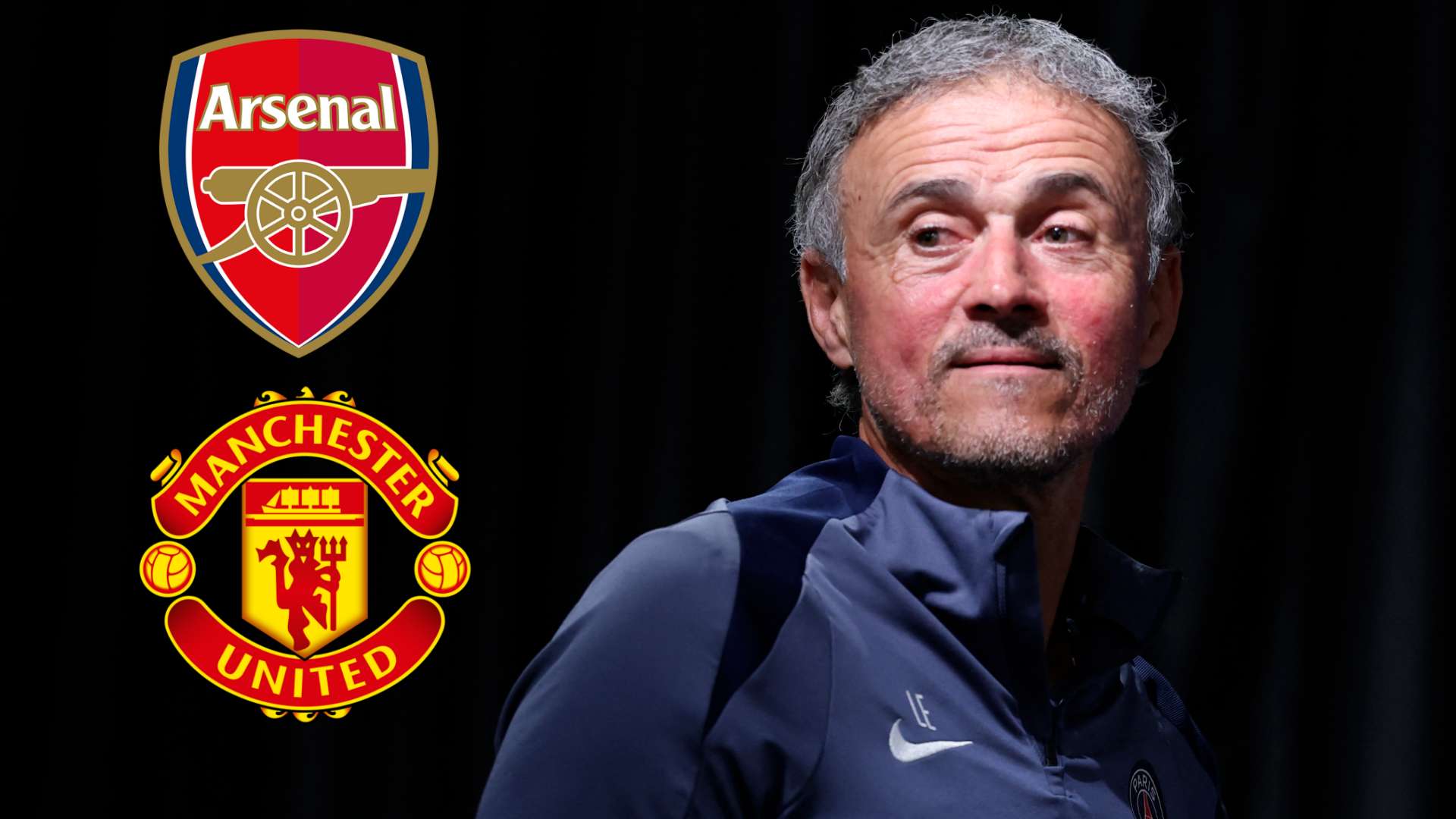
Former PSG midfielder Youssouf Mulumbu has offered a view on where the Spanish tactician might fit best in England. Arsenal and Chelsea are obvious names in any discussion, given their resources and ambitions, but Mulumbu’s comments also raise a bigger question: could Manchester United be the kind of sleeping giant that would tempt Luis Enrique into a fresh challenge?
Why Luis Enrique attracts Premier League attention
Luis Enrique’s reputation is built on more than trophies. Across his coaching career, he has shown a willingness to impose a clear identity on his teams: proactive football, quick combinations, aggressive pressing and a readiness to take risks in possession. That approach can be thrilling when it works, but it also demands concentration, fitness and a squad capable of adapting to detailed tactical instructions.
Those qualities make him an intriguing potential Premier League appointment. England’s top flight rewards teams that can cope with a relentless schedule, varied opponents and intense scrutiny. A coach with experience managing elite players and competing in high-pressure environments could appeal to clubs seeking not only short-term results but also a recognisable style.
Still, a move should not be treated as inevitable. Luis Enrique would need to find a club whose sporting plans match his own, with decision-makers prepared to support him through recruitment and the adjustment period that often follows a major managerial change. For any prospective destination, the question is not simply whether the manager is talented, but whether the club can give his methods a realistic chance to succeed.
Arsenal and Chelsea offer contrasting possibilities
Arsenal would be an understandable fit on paper. The club has spent recent seasons building a young, technically gifted squad and pursuing a more consistent challenge for major honours. Luis Enrique’s emphasis on coordinated pressing and confident possession could complement that foundation, while his experience at the highest level might add another dimension to the team’s development.
However, Arsenal’s current structure and established football identity would matter. A new manager would have to work with the existing squad rather than assume a complete rebuild is possible. Luis Enrique’s success would depend on how well his preferred system matched the players already in place—and whether he could preserve the team’s strengths while introducing new tactical demands.
Chelsea present a different kind of opportunity. The London club has invested heavily in its squad and continues to search for sustained stability at the top. A coach with a strong personality and clear ideas could help bring greater coherence to a group containing players with varied experience and backgrounds. Yet that same environment can be challenging: recruitment, expectations and managerial continuity all influence whether a project can take hold.
For Luis Enrique, either club could offer the resources and visibility associated with a Premier League move. But the best destination would ultimately be the one offering a convincing long-term plan, not merely the biggest transfer budget or the most prominent job title.
Could Manchester United be the most compelling challenge?
Manchester United’s inclusion in the conversation adds a different angle. The club remains one of football’s most recognisable institutions, yet its recent search for consistency has kept attention fixed on its leadership, recruitment and playing style. That combination of stature and unfinished work is what makes United a potential “sleeping giant” for a manager looking for a major project.
Luis Enrique could be attracted by the scale of the challenge: restoring a clear identity, helping the squad compete consistently and reconnecting the team with supporters through ambitious football. His experience managing high-profile clubs could also be valuable in an environment where every result is closely analysed and expectations remain exceptionally high.
But United would need to offer more than a famous badge. A demanding tactical coach requires reliable cooperation between the manager, recruitment department and club leadership. If the club’s transfer strategy or decision-making were not aligned with his footballing vision, even a highly respected appointment could struggle to deliver lasting change. The prediction, therefore, is not that Luis Enrique is certain to take the job, but that United could become a serious option if it presents a stable, credible sporting project.
What his style could bring to English football
The Premier League’s pace and physical intensity would test Luis Enrique’s approach, especially during congested periods when injuries and fatigue can disrupt a team’s rhythm. His sides typically need players who can press with discipline, make quick decisions and remain comfortable under pressure. That could encourage a more assertive brand of football, but it would also require careful squad planning.
His appointment could have wider effects beyond matchday tactics. A coach with a strong philosophy often influences how a club recruits, develops younger players and evaluates performance. If given time, Luis Enrique might help create a more consistent pathway from recruitment to the first team. If results were demanded immediately, however, the pressure could make that longer-term work difficult.
That balance is central to any Premier League prediction involving a high-profile manager. Supporters naturally focus on the possibility of trophies and memorable performances, while clubs must also consider how a coach’s methods fit their existing players and organisational structure. The most successful partnership would need patience as well as ambition.
A possible move remains speculation
Mulumbu’s comments have helped fuel discussion about Luis Enrique’s best potential destination, but speculation should not be confused with a confirmed plan. Any future move would depend on timing, contractual circumstances and whether an English club could offer the right conditions. The manager’s own priorities would be decisive, too: he would need to believe that the project was capable of matching his ambitions.
For now, Arsenal and Chelsea may appear to offer logical routes into English football, while Manchester United could represent the most dramatic rebuilding challenge. Each club presents a different mix of opportunity and risk. If Luis Enrique ever chooses the Premier League, the strongest fit will likely be the one that pairs his tactical demands with a stable leadership structure and a squad capable of carrying them out.
That is what makes the debate compelling for football fans. Luis Enrique’s next chapter is uncertain, but the idea of his high-intensity, possession-led style meeting the Premier League’s weekly demands is an engaging prospect. Whether the destination is Arsenal, Chelsea, Manchester United or another ambitious club, the key factor will be more than reputation: it will be whether both sides are ready to build the same project.