
Argentina President Javier Milei Opts Out of World Cup Final Due to Superstition
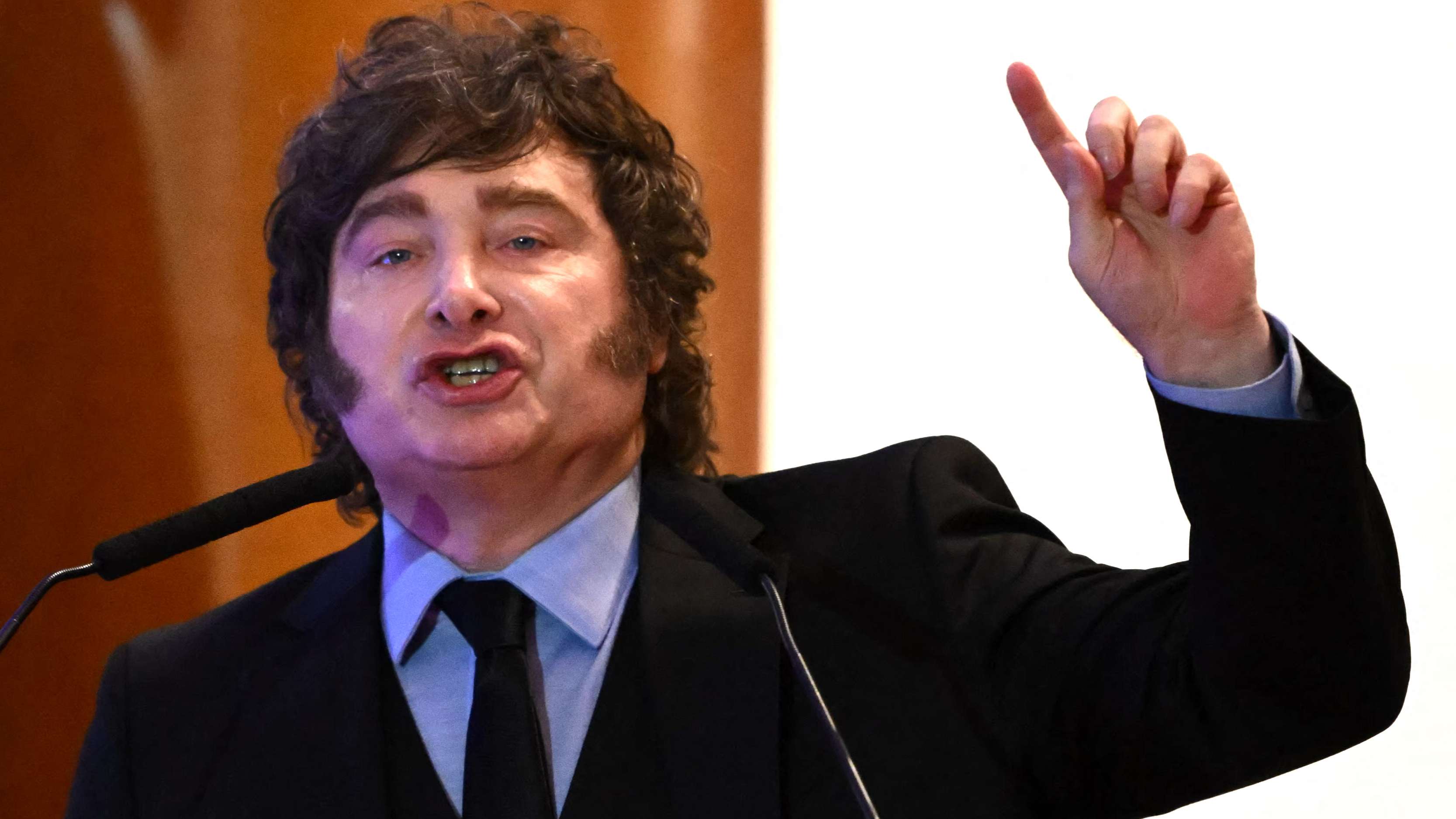
Argentina’s President, Javier Milei, has made headlines once again after announcing that he will not be attending the World Cup final between Argentina and Spain at the MetLife Stadium in New York. The controversial leader cited deep-rooted football superstition as the reason for his absence, revealing that he has watched the previous seven victories from the comfort of his own home.
A History of Superstition
Milei’s decision to skip the highly anticipated final has sparked debate and curiosity among football fans and political analysts alike. The President’s superstition when it comes to Argentina’s football matches is well-documented, with sources close to him revealing that he believes his presence at the stadium may bring bad luck to the national team.
Despite facing criticism for not supporting the team in person during such a crucial match, Milei remains steadfast in his beliefs and has made it clear that he will continue to watch the final from home, surrounded by his lucky charms and rituals.
Fans React to Milei’s Decision
The news of Milei’s absence from the World Cup final has divided opinions among Argentinian football fans. While some view his decision as a quirky yet endearing display of support for the national team, others have criticized him for not being present to cheer on the players in person.
Regardless of the reactions, it is undeniable that Milei’s superstitions have become an integral part of Argentina’s football culture, adding an extra layer of intrigue and mystique to the World Cup final.
Political Ramifications
As a prominent figure in Argentine politics, Milei’s actions are often scrutinized and analyzed for their potential impact on the country’s image and reputation. Some experts argue that his decision to stay away from the final could be seen as a lack of leadership or patriotism, while others believe that his commitment to his superstitions only further endears him to his supporters.
Regardless of where one stands on the issue, it is clear that Milei’s absence from the World Cup final will be a topic of discussion long after the final whistle has blown.
Looking Ahead
With the World Cup final fast approaching, all eyes are on the MetLife Stadium as Argentina and Spain prepare to battle it out for the coveted trophy. While Milei may not be in attendance, his presence will undoubtedly be felt as fans and players alike ponder the impact of his superstitions on the outcome of the match.
As the countdown to the final begins, one thing is certain: football superstitions are alive and well in Argentina, and Javier Milei’s absence from the stadium is just the latest chapter in a long-standing tradition of quirky beliefs and rituals in the beautiful game.
The Power of Superstitions in Football
Superstitions have long been a part of football culture, with players, coaches, and fans alike believing in the influence of rituals and lucky charms on the outcome of matches. From wearing the same socks for every game to avoiding certain foods on match days, superstitions run deep in the world of football.
While some may view superstitions as irrational beliefs, they play a significant role in the psychology of athletes and fans. The act of engaging in superstitious behaviors can provide a sense of control and comfort in an unpredictable and high-pressure environment, such as a World Cup final.
The Psychological Impact of Superstitions
Research has shown that superstitions can have a profound psychological impact on individuals, affecting their confidence, focus, and performance. In the case of Javier Milei, his superstition regarding Argentina’s football matches may serve as a source of motivation and belief in the team’s success.
By adhering to his rituals and avoiding the stadium, Milei may feel a sense of control over the outcome of the match, thereby enhancing his emotional investment in the game. This psychological aspect of superstitions highlights the complex relationship between belief, behavior, and performance in sports.
Cultural Significance of Superstitions
In Argentina, where football is more than just a sport but a way of life, superstitions hold a special place in the hearts of fans. From wearing lucky jerseys to performing pre-game rituals, these beliefs connect individuals to their team on a deeper level, creating a sense of unity and community among supporters.
Milei’s decision to opt out of the World Cup final due to superstition resonates with many Argentinians who share similar beliefs and traditions when it comes to football. His actions not only reflect his personal quirks but also highlight the cultural significance of superstitions in the collective consciousness of the nation.
The Legacy of Milei’s Superstitions
While Javier Milei’s absence from the World Cup final may have sparked controversy and debate, it also adds another layer of complexity to his persona as a leader and a football fan. His unwavering commitment to his superstitions showcases a different side of his character, one that is deeply connected to the passions and idiosyncrasies of the Argentine people.
As the World Cup final unfolds and the drama on the pitch intensifies, Milei’s superstitions will continue to be a topic of discussion and intrigue among fans and analysts. Whether Argentina emerges victorious or faces defeat, his absence from the stadium will be remembered as a unique chapter in the country’s football history.
Conclusion
In the world of football, superstitions play a significant role in shaping the beliefs, behaviors, and identities of individuals and communities. Javier Milei’s decision to forgo the World Cup final due to superstition sheds light on the powerful influence of these beliefs in sports and society at large.
As the final whistle blows and a champion is crowned, one thing is certain: superstitions will continue to be an integral part of the beautiful game, adding an element of mystery and magic to the world’s most beloved sport.