
Andorra Leads Tributes After Tenerife Striker Jesús de Miguel Dies
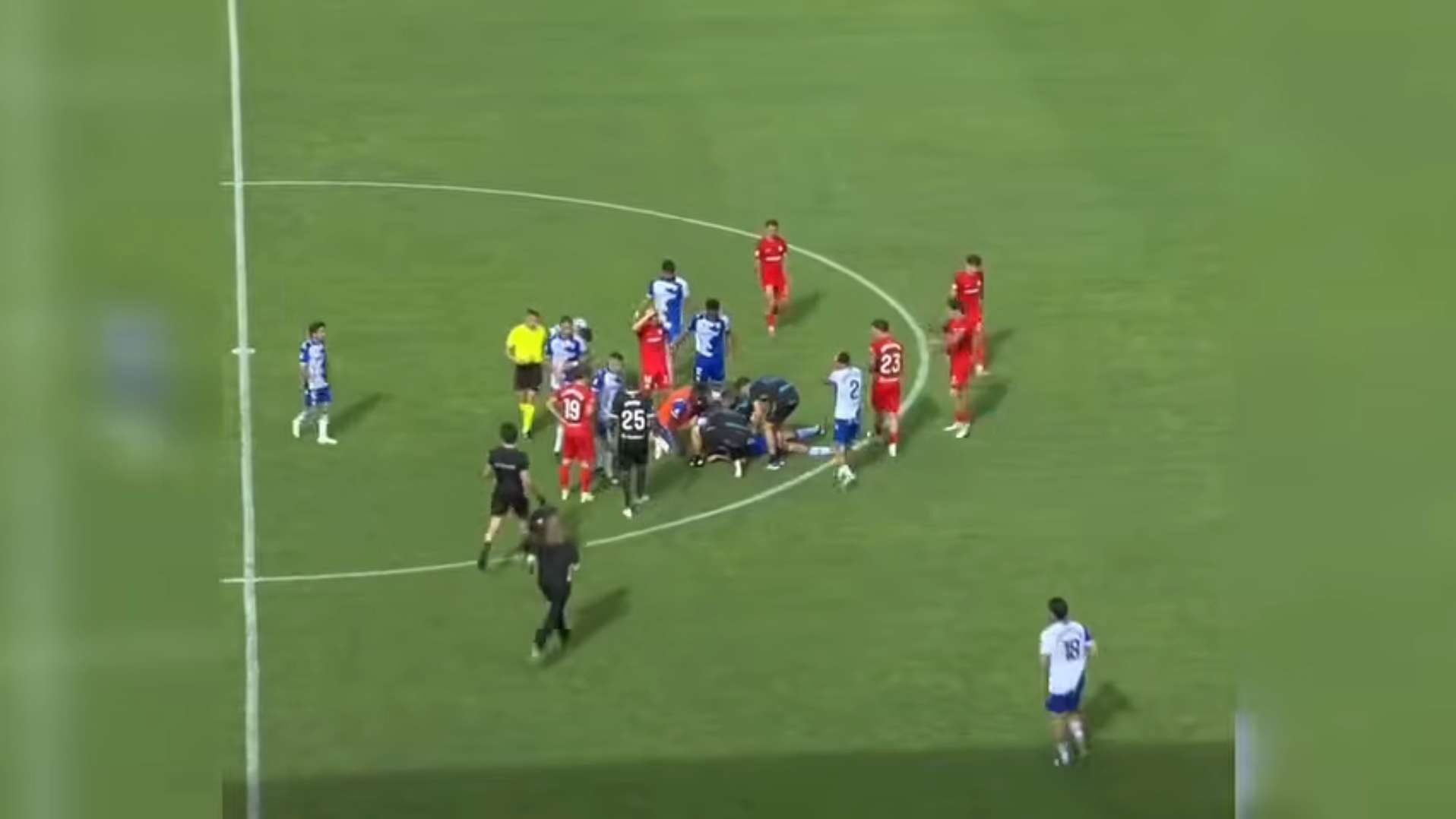
Spanish football is mourning the death of Tenerife striker Jesús de Miguel, who passed away on Tuesday morning after suffering a serious injury during his side’s Spanish second-division match against FC Andorra. The tragedy has sent shockwaves through both clubs and the wider football community.
FC Andorra was among the first to publicly express its condolences. In a message shared across the club’s official social media accounts, the Andorran side paid tribute to de Miguel and offered support to his family, teammates, friends, and everyone connected with Tenerife.
“With broken hearts and deep sorrow, we wish to extend our most sincere condolences to the family of Jesús de Miguel, and all his teammates and friends, and to Tenerife,” the club wrote. The statement ended with a brief but heartfelt message: “Rest in peace.”
A Tragedy That Has United Spanish Football
The circumstances surrounding de Miguel’s death have turned a league fixture into a moment of profound grief. The injury occurred during the match between Tenerife and FC Andorra at the Heliodoro Rodríguez López stadium. De Miguel was taken seriously ill after the incident and later died on Tuesday morning.
For supporters, players, and staff, the news is a devastating reminder that football is more than results, rivalries, and league standings. A match that would ordinarily be discussed in terms of tactics, performance, and the season’s implications has instead prompted an outpouring of sympathy and reflection.
FC Andorra’s tribute carried particular meaning because it came from the opposing club. In competitive football, teams may be separated by colours, ambitions, and the pressure of the table, but moments like this bring those differences into perspective. The message showed solidarity with Tenerife and acknowledged the loss felt by de Miguel’s loved ones and the people who shared the pitch and dressing room with him.
Condolences for De Miguel’s Family and Teammates
The impact of a player’s death extends far beyond the stadium. De Miguel’s family and close friends are facing an immeasurable loss, while his Tenerife teammates must process the death of someone who was part of their everyday professional lives. Coaches, club employees, supporters, and others in the football community are also grieving.
Teammates often form close bonds through training sessions, travel, competition, and the demands of a long season. When a player dies, those shared experiences can make the loss especially difficult. FC Andorra’s statement recognized this wider circle of grief by addressing not only De Miguel’s family, but also his friends, teammates, and Tenerife as a club.
At times like these, public tributes can offer a small but meaningful expression of support. They cannot lessen the pain of bereavement, but they can show those affected that they are not alone. The response to the tragedy reflects the compassion that can emerge across professional football, even between clubs that meet as opponents.
The Human Side of the Game
Football is often presented through its most visible elements: goals, transfers, rivalries, standings, and predictions about who will win the next match. Those subjects help define the sport’s daily conversation, but the loss of a player places them in a different light. Behind every team sheet is a group of people, and behind every player is a family, a network of friends, and a community that cares about them.
That perspective is especially important in the aftermath of an on-field emergency. Players, officials, and supporters can be left shaken by an incident that unfolds in front of them, while families wait for news away from the stadium. The death of De Miguel has prompted a wider reminder of the need for care and compassion whenever a serious injury occurs in football.
It also underlines the importance of appropriate medical preparation and emergency response at sporting events. Clubs and competition organizers have responsibilities to maintain medical support and clear procedures on match days. While no statement can explain every detail of an incident, the broader football community is likely to reflect on player welfare and the support available during emergencies.
More Than a Match Result
For Tenerife and FC Andorra, the fixture at the Heliodoro Rodríguez López stadium will be remembered for reasons far beyond the scoreline. The sporting outcome has been overshadowed by the loss of a player, and the focus has shifted from league calculations to mourning and support.
That shift is a familiar feature of football during moments of tragedy. Fans may follow a team closely and make predictions about its prospects, but the emotional connection to the sport is ultimately rooted in people. When a player dies, those connections become more visible: supporters express condolences, clubs share messages of solidarity, and rivals stand alongside one another.
FC Andorra’s words were concise, but their meaning was clear. The club recognized the scale of the loss and extended its sympathy to those closest to De Miguel. The closing phrase, “Rest in peace,” offered a simple farewell at a time when words are difficult to find.
A Community in Mourning
As tributes continue, the priority for those closest to Jesús de Miguel will be to grieve and support one another. Tenerife’s players and staff, along with the striker’s family and friends, face an exceptionally painful period. Messages from across Spanish football can provide a reminder that the community stands with them.
The tragedy has left a lasting mark on both clubs and on the wider game. In its tribute, FC Andorra set aside the usual language of competition and spoke instead with compassion. Its message captured a sentiment shared by many across football: that behind every fixture and every prediction is a human life, and that the loss of one player is felt far beyond the boundaries of a single club.