
Anders Antonsen’s Arctic Open Triumph Signals a New Chapter in Men’s Badminton
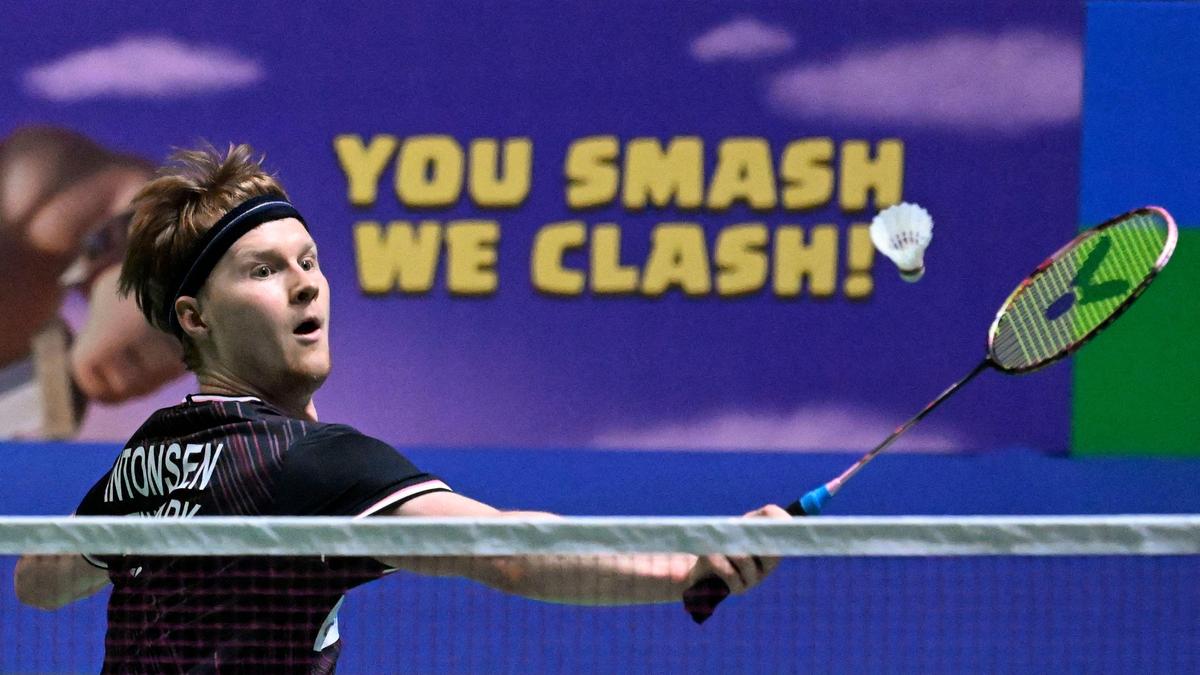
Anders Antonsen’s victory at the Arctic Open 2026 was a test of stamina, nerve and tactical skill. The Danish badminton star spent 87 minutes battling Japan’s Yushi Tanaka, eventually prevailing in a tense match that went to an extra-points decider. At 29, Antonsen showed the speed and energy of a player entering his prime—and the composure of a seasoned champion.
The win added another milestone to a career built through years of steady progress rather than overnight success. With 12 BWF World Tour titles to his name, Antonsen is one of the most recognisable figures in men’s singles. Yet his latest triumph also raises a bigger question for the sport: with compatriot Viktor Axelsen retired, can Antonsen become the next player to lead the world rankings?
From Aarhus junior to international champion
Antonsen first picked up a badminton racket at the age of six, joining Aarhus Badminton Club in Denmark. His talent became clear early, but so did his willingness to work. By his mid-teens, he was competing successfully on the international junior circuit, winning the European Junior Championships and collecting titles at the Dutch, Irish and Belgian international tournaments.
In 2015, he was named European Young Player of the Year—recognition that marked him as one of the continent’s most promising prospects. The transition from junior success to the senior professional tour, however, demanded more than natural ability. It required Antonsen to adapt to stronger opponents, heavier schedules and the tactical demands of elite badminton.
His breakthrough arrived in 2019 at the Indonesian Masters. There, Antonsen defeated then-world No. 1 Kento Momota in the final to claim his first BWF World Tour title. The result established him as a genuine contender and provided a platform for further achievements. Later that year, he won gold at the European Games in Minsk and reached the final of the World Championships.
Since then, Antonsen has added the prestigious BWF World Tour Finals, four World Championships medals and two European titles to his record. His achievements are particularly notable because he has often worked without a permanent national head coach. Rather than following a conventional structure, he has developed a training approach that gives him considerable independence and responsibility for his own preparation.
A tactical artist with a taste for deception
Antonsen’s game is not based on power alone. One of his greatest strengths is his ability to make opponents move before they know where the shuttle is going. He studies how rivals position themselves, which shots they favour and how they recover after playing from the front or rear of the court. He then uses changes of pace, direction and height to disrupt their patterns.
At 1.83 metres tall, Antonsen has the reach to intercept the shuttle early, but he combines that physical advantage with delicate touch. Spinning net replies, tight tumbling shots and sudden net kills can force an opponent forward, only for a sharp lift or attacking clear to send them racing back. The constant uncertainty makes it difficult to settle into a rhythm.
He is also selective about when to engage in fast, flat exchanges. Against opponents who thrive on attack, Antonsen often looks to vary the rally instead, using placement and disguise to create openings. A cross-court slice may look like a straight drop until the shuttle changes direction; a punch clear can punish a player who has crept too close to the net. These choices stretch the court and make every recovery more demanding.
This mix of patience and sudden aggression helps explain why Antonsen can be both consistent and entertaining to watch. He does not simply hit harder when under pressure. Instead, he often changes the question—forcing an opponent to reconsider their position, timing or preferred shot.
Life after Axelsen: a chance to lead
For years, Antonsen’s rise took place alongside the extraordinary success of Viktor Axelsen. The two Danes shared training sessions and ambitions, while also competing for the biggest prizes in badminton. In a 2020 interview with Olympic Channel, Antonsen described Axelsen as both a rival and an important influence on his development, noting that they practised together almost every day.
Axelsen, a two-time Olympic gold medallist who won all four BWF Super 1000 tournaments during his career, announced his retirement in April 2026. His departure leaves a significant gap at the top of men’s singles. Kento Momota, another former world No. 1, is no longer at the peak of his powers, making the race for the leading ranking position feel more open.
Antonsen is a natural candidate to take advantage. His experience, tactical range and record in major competitions give him a strong foundation. But becoming world No. 1 is a challenge of its own. It requires sustained results across a long season, the ability to handle the pressure of being a leading target and consistent performances against a deep field of rising challengers.
Denmark Open offers the next test
Antonsen’s Arctic Open win is an encouraging sign, but one title cannot settle the question of who will define the next era of men’s badminton. His next challenge comes on home soil at the Denmark Open, where local support could provide an extra lift—and where opponents will be eager to test the new champion.
For fans, the appeal of Antonsen lies in more than his results. He plays on his own terms, speaks openly and brings personality to the court, while backing that confidence with careful preparation and a sophisticated game plan. The “King of the Arctic” has already built a career worthy of attention. The next step is turning his consistency into a sustained bid for the world No. 1 ranking.