
Carlo Ancelotti Turns Down Offer to Coach Italy, Committed to Leading Brazil
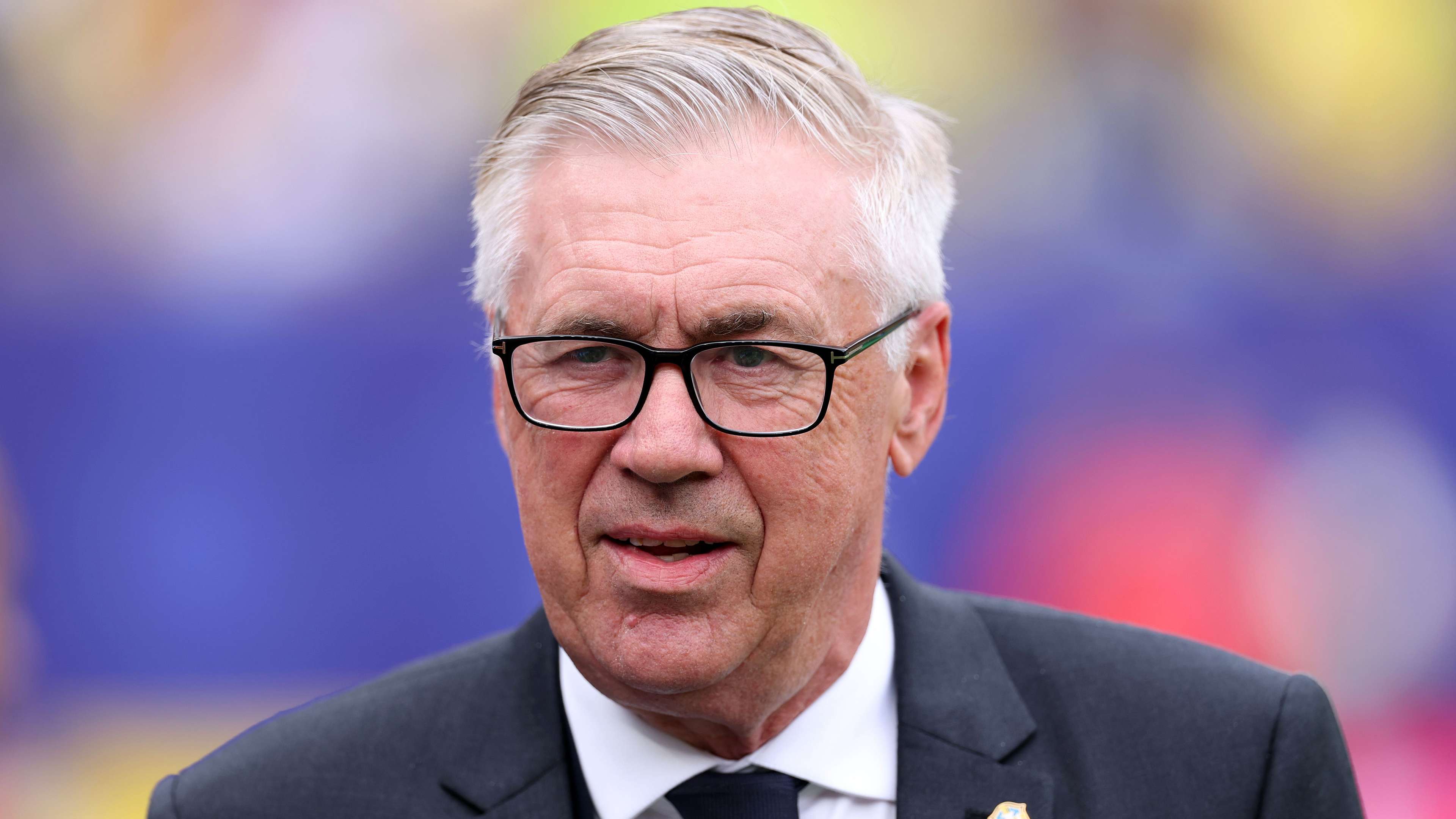
Carlo Ancelotti, the current head coach of the Brazilian national football team, recently confirmed that he received an offer to coach his home nation, Italy. However, he made the decision to turn down the opportunity in order to remain committed to leading Brazil to success on the international stage.
Paolo Maldini, who serves as the technical director of the Italian Football Federation, revealed that he had contacted Ancelotti about taking charge of the Azzurri after Italy failed to qualify for the World Cup for the third consecutive time. Maldini and Ancelotti have a history together, with Maldini playing alongside Ancelotti and training under him at AC Milan from 2001 to 2009.
In an interview with ESPN, Ancelotti explained his decision, stating, “It’s not about the contract, that’s not the reason. The reason is my commitment to the Brazilian Football Confederation and to this country, because this country welcomed me warmly during my first year.” He expressed his desire to continue leading the Brazilian team, emphasizing the importance of staying in a country that has shown him such hospitality.
Guardiola and Pirlo Decline Offers, Mancini Appointed as Italy’s National Team Coach
Ancelotti is not the only high-profile manager to have rejected an offer from the Italian Football Federation. Former Manchester City manager Pep Guardiola also turned down the opportunity, and plans to appoint Andrea Pirlo as head coach fell through due to political concerns over a sponsorship deal. As a result, Roberto Mancini was eventually confirmed as Italy’s national team coach last Monday.
Despite Brazil’s disappointing early exit from the World Cup under Ancelotti’s leadership, the 67-year-old coach remains focused on his mission to guide the team to success. He acknowledged the need for a new generation of players to step up and replace the veterans in the squad, including Neymar, who recently announced his international retirement.
Looking Ahead to the Future of Brazilian Football
Ancelotti emphasized the importance of building a bright future for Brazilian football, stating, “This next group of players, this country has talented players, and we can build a bright future.” While he did not rule out the possibility of some veterans remaining in the team, he made it clear that changes are on the horizon.
As Ancelotti looks towards a new cycle for the Brazilian national team, he expressed gratitude for the contributions of the current players, saying, “It is a chapter about to end. Clearly, we must thank them all, and I have a great deal of affection for them all.”
Overall, Ancelotti’s commitment to leading Brazil and his vision for the future of the team demonstrate his dedication to success on the international football stage.
Ancelotti’s Strategic Approach to Revitalizing Brazilian Football
As Ancelotti navigates the challenges of revitalizing the Brazilian national team, his strategic approach involves a mix of nurturing young talent and making tough decisions to phase out aging veterans. With a keen eye for talent development, Ancelotti has already identified promising young players who he believes have the potential to carry Brazil to future glory.
One such player is Vinicius Jr., a dynamic forward who has been making waves at Real Madrid. Ancelotti sees Vinicius Jr. as a key player in Brazil’s future, praising his skill, speed, and adaptability on the field. By strategically integrating young talents like Vinicius Jr. into the squad, Ancelotti aims to inject fresh energy and creativity into the team’s gameplay.
Additionally, Ancelotti recognizes the importance of striking the right balance between youth and experience. While he acknowledges the need for a new generation of players to step up, he also values the leadership and experience that seasoned veterans bring to the team. Players like Casemiro and Marquinhos, who have proven themselves on the international stage, continue to play a crucial role in guiding the team.
Ancelotti’s Emphasis on Tactical Innovation
Known for his tactical acumen and adaptability, Ancelotti is constantly exploring new strategies and formations to maximize the team’s potential. His ability to analyze opponents, adapt game plans, and make effective in-game adjustments has been pivotal in Brazil’s quest for success.
One of Ancelotti’s key priorities is to instill a proactive and dynamic style of play that keeps opponents on their toes. By emphasizing quick transitions, positional interchange, and fluid attacking movements, Ancelotti aims to create a cohesive and unpredictable team that can outmaneuver any opposition.
Moreover, Ancelotti places a strong emphasis on defensive solidity and organization. By instilling a disciplined defensive structure and promoting collective defending, he aims to create a balanced team that is capable of both attacking flair and defensive resilience.
Ancelotti’s Leadership and Mentoring Approach
Beyond tactics and strategy, Ancelotti’s leadership and mentoring approach play a crucial role in shaping the team’s culture and mentality. Known for his calm demeanor, excellent man-management skills, and ability to build strong relationships with players, Ancelotti creates an environment where players feel motivated, supported, and empowered.
By fostering a culture of respect, teamwork, and accountability, Ancelotti cultivates a positive and winning mentality within the squad. He encourages open communication, constructive feedback, and a strong sense of unity among players, staff, and support personnel.
Ultimately, Ancelotti’s commitment to leading Brazil and his holistic approach to team-building underscore his dedication to elevating the team to new heights of success. With a blend of strategic foresight, tactical innovation, and strong leadership, Ancelotti is poised to guide Brazil on a path to international glory.
By expanding on Ancelotti’s strategic approach, leadership style, and tactical innovations, this enhanced content provides readers with a deeper understanding of his vision for the Brazilian national team and sheds light on the intricacies of his coaching philosophy.