
Manchester United’s 120-Second Problem: A European Record They Never Wanted
Manchester United have found themselves in the record books for a reason no club would celebrate. According to Opta, they are the first English side to concede a goal within the opening two minutes of two consecutive major European matches—a startling statistic that has turned early-game defending into one of the biggest talking points around the team.
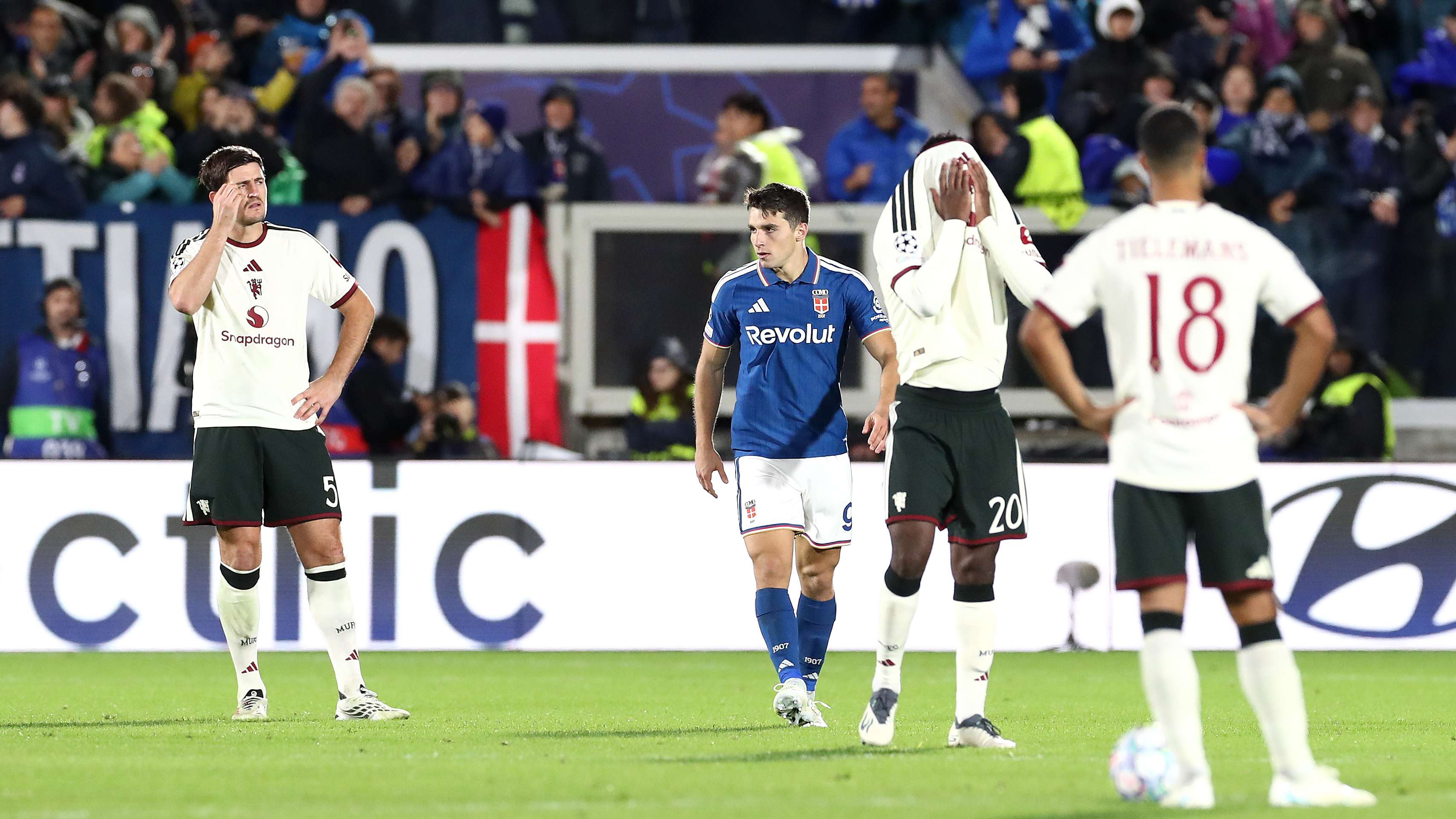
The pattern was difficult to ignore. In the first match, Atlético Madrid’s Pablo Barrios struck in the opening minute, catching United’s defence before it had settled. One match later, against Como, Argentine midfielder Nico Paz scored in the second minute. Different opponents, separate occasions, and nearly identical beginnings: United were behind almost as soon as each contest had started.
For supporters, the concern is not simply that the team conceded twice. Early goals can happen even to strong sides, and a single lapse does not define a season. What makes this sequence so striking is the repetition. Two consecutive European fixtures began with United chasing the game before they could establish their shape, rhythm, or attacking plan.
How the First Minutes Became a Major Concern
The opening moments of a football match are often about more than tactics. Players are still finding their positions, communication is being tested, and the opposition may try to exploit any uncertainty with an aggressive start. A quick goal can come from a precise run, a defensive misjudgment, or a moment of hesitation. But when the same kind of breakdown appears in back-to-back matches, questions naturally follow.
Against Atlético, Barrios’ early finish immediately forced United to adjust. Instead of building into the match at their own pace, the home side had to respond to a deficit. The goal also gave Atlético an opportunity to approach the game with greater control, knowing that United would need to take risks to get back on level terms.
The Como match brought a similar challenge. Paz’s second-minute strike placed United under pressure before their players had time to impose themselves. For any team, conceding so early can disrupt a carefully prepared game plan. For a side already under scrutiny, another immediate setback can magnify doubts and put extra weight on every defensive decision that follows.
Why an Early Concession Changes the Game
A goal in the first two minutes does not decide a match by itself. There is usually plenty of time to recover, and teams often come back from early setbacks. However, the timing can have a significant effect on how the rest of the contest unfolds. The team that scores can settle into its preferred approach, while the side that concedes may feel compelled to attack sooner than intended.
That shift can create openings at both ends. United may need to commit more players forward, leaving space behind the defence for counterattacks. At the same time, frustration can encourage rushed passes or hurried shots rather than patient, coordinated play. The tactical problem is therefore not limited to the moment of the goal; it can influence the decisions made for the next 90 minutes.
There is also a psychological dimension. A team that has just conceded may become anxious about making another mistake, particularly when a similar incident has happened recently. That can affect communication between defenders and the goalkeeper, the timing of challenges, and the confidence to hold a high line. Regaining composure quickly is essential, but avoiding the initial lapse is better still.
More Than a Question of Concentration
It is tempting to describe both goals as simple concentration failures, but the causes of early concessions can be more complex. Coaches and analysts will examine whether United were prepared for the opponents’ opening pressure, whether players were positioned correctly, and whether the team’s defensive instructions were clear. They will also look at individual choices: who tracked the runner, who covered the space, and whether the goalkeeper had a clear view.
Preparation before kick-off matters too. Teams often rehearse how they will respond to an opponent’s first press, set-piece threat, or direct attack. If that plan is not carried out with precision, even a brief lapse can be punished. The first minutes demand alertness from every player, not just the defenders. Forwards and midfielders must also help prevent the opposition from building momentum unchecked.
United’s challenge is to turn the statistic into a practical lesson rather than allow it to become a label. A focused warm-up, clear communication, and a disciplined opening shape may help, but the response must be visible on the pitch. The team needs to begin matches with the same intensity it expects to show after falling behind.
What the Record Means for United’s Next European Test
Opta’s figure is notable because it places United in an unwanted category no English club had reached before. It is not evidence that the team will continue conceding early, nor does it predict the outcome of its next European fixture. Statistics describe what has happened; they do not guarantee what comes next. Still, repeated patterns can provide useful warning signs for coaches, players, and supporters.
For United, the immediate objective is straightforward: make the opening minutes more secure. That does not mean retreating into a defensive shell. It means starting with focus, keeping distances between the lines, tracking dangerous movement, and resisting the urge to switch off while the match is still finding its rhythm.
The broader football conversation will inevitably include predictions about whether United can recover their defensive reliability. The answer will depend less on the record itself than on how the team responds. If the players show greater organisation and composure in their next European appearances, the two early goals may remain an alarming but isolated sequence. If similar problems return, concerns about preparation and defensive structure will grow.
A Warning United Cannot Afford to Ignore
Manchester United’s history is filled with celebrated European nights, but this particular milestone belongs to a very different category. Two goals conceded within the first two minutes of consecutive major European matches have exposed a vulnerability that opponents may now be eager to test.
The team does not need to change its entire identity to address the problem. It needs to be ready from the first whistle, communicate clearly, and defend as a unit before the match has a chance to slip away. The next test will show whether United can turn an unwanted football record into a turning point—or whether the first two minutes will remain a recurring source of concern.