
Cristiano Ronaldo Set for Portugal Return After National-Team Dispute
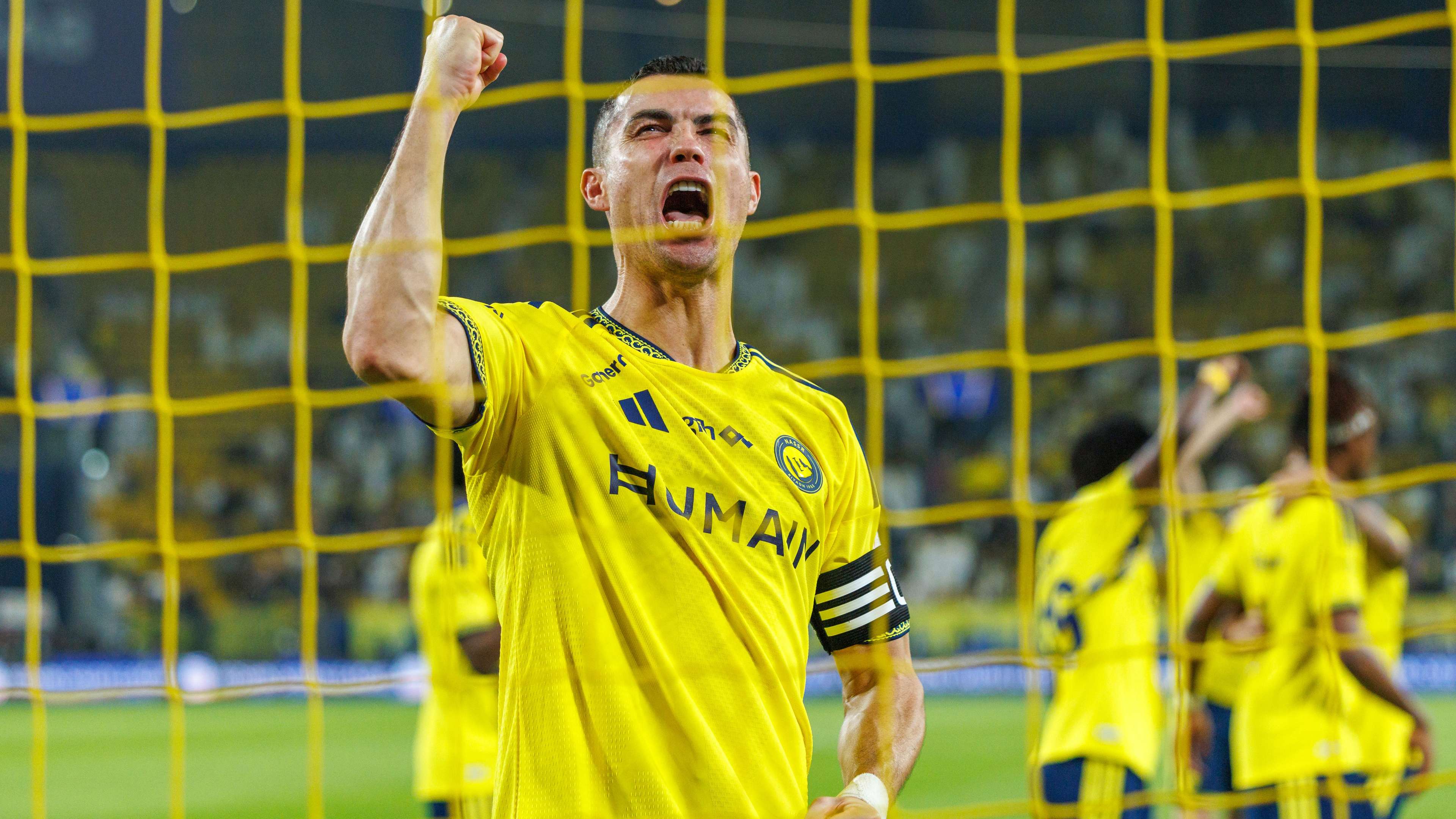
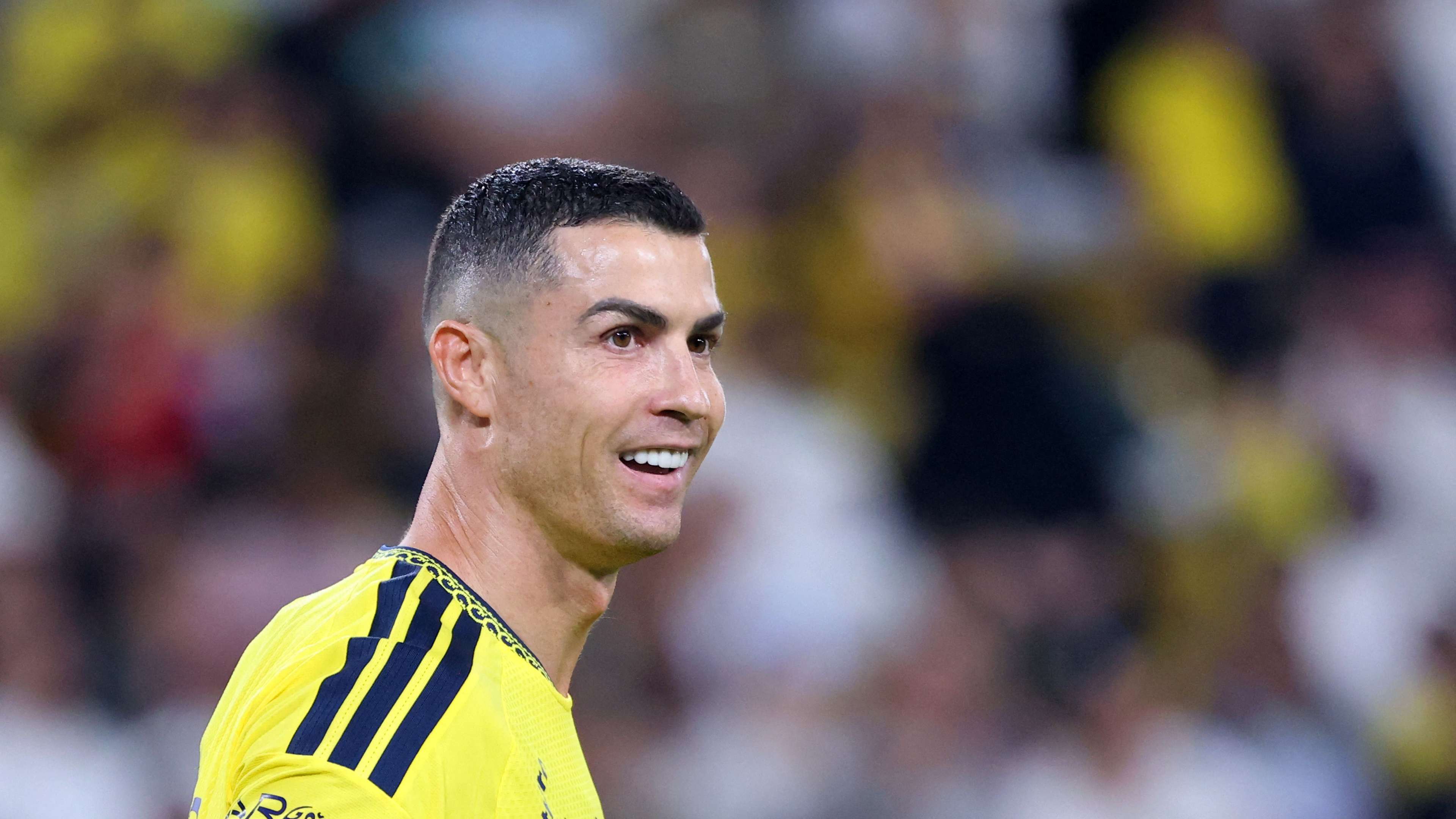
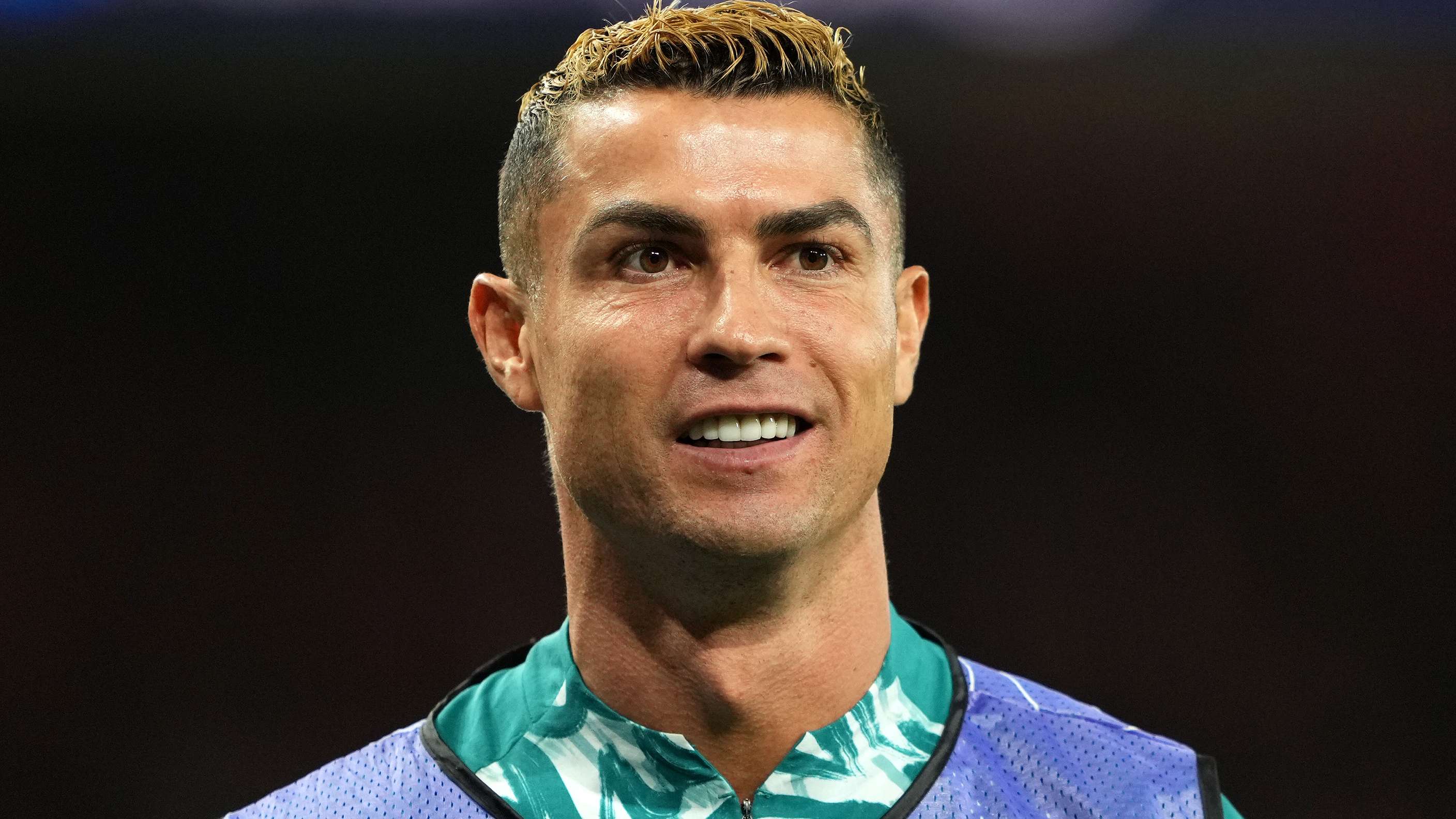
Cristiano Ronaldo could be back in Portugal’s squad for the November international break, bringing a tense period between the veteran forward and the national team closer to a possible resolution. The Portuguese Football Federation has reportedly sent Al-Nassr an official request to release Ronaldo and teammate João Félix for two upcoming UEFA Nations League fixtures.
The request is a strong indication that Ronaldo remains part of Portugal’s plans, despite the controversy surrounding his departure from the team’s camp in September. His return, however, will depend on more than administrative eligibility. The relationship between the captain and Portugal’s coaching staff will also be under scrutiny as the team prepares for two important matches.
Portugal request Ronaldo and João Félix for November fixtures
Saudi newspaper Arriyadiyah reported that the Portuguese federation contacted Al-Nassr to request the release of Ronaldo and Félix for the national-team camp. Portugal are scheduled to play Denmark in Braga on 14 November before travelling to face Wales three days later in the final round of Group Four fixtures.
Those matches carry significance for Portugal’s Nations League campaign, making the availability of experienced players a major talking point. Ronaldo’s presence would offer the squad a familiar attacking option and a leader with extensive international experience. His selection would also signal that the federation is prepared to move forward after the disciplinary dispute.
For supporters following the latest football news, the request has turned attention from the original confrontation to a new question: can Ronaldo and the coaching staff restore a working relationship quickly enough for the November games?
Suspension period ends before the international break
Portugal’s federation announced that Ronaldo would receive a 30-day suspension following his departure from the national-team camp on 30 September. The penalty was applied retroactively from the date of the incident, meaning it is due to expire before the November international window begins.
That timing leaves Ronaldo eligible for selection once the suspension is complete. It does not automatically guarantee that he will play, but it removes a formal obstacle to his return. The decision now rests on the national team’s plans, the player’s readiness and the extent to which both sides are willing to put the recent disagreement behind them.
The distinction matters: eligibility and selection are not the same. Even with the disciplinary period served, the coaching staff must decide whether Ronaldo fits the team’s tactical approach and whether his inclusion supports the group’s preparation. A final squad announcement will provide a clearer indication of how fully the dispute has been resolved.
September departure triggered questions about his future
The controversy began after a disagreement over Ronaldo’s role in a match against Norway, which Portugal won 2-1. Reports said the Al-Nassr captain believed an earlier understanding about his place in the team had changed. He was also said to have objected to how the situation was handled ahead of Portugal’s match against Denmark, a game the Portuguese side won 4-2.
The dispute escalated when Ronaldo left the team’s camp in Copenhagen after a press conference. His departure prompted debate across Portuguese football about his standing in the squad and whether the captain could continue to play a central role under the current coaching setup.
For a national team, a disagreement involving its most prominent player can quickly become a broader issue. Coaches must balance individual expectations with team discipline, while teammates and supporters look for signs that the squad remains united. That is why Ronaldo’s possible return is being viewed as both a selection decision and a test of Portugal’s ability to manage a high-profile conflict.
Ronaldo’s apology offered a path toward reconciliation
On 7 October, Ronaldo published a lengthy statement apologising to Portugal’s supporters and his teammates for his conduct. The message appeared intended to limit the fallout and acknowledge the effect the episode had on the national team.
At the same time, Ronaldo said his relationship with Jorge Jesus had ended, adding another layer of uncertainty to the story. The comment raised questions about how the breakdown in that relationship might affect his future with Portugal, particularly amid wider discussion about his role and influence within the squad.
Ronaldo’s apology may help create room for a return, but reconciliation will depend on what happens next. A call-up, constructive conversations with the coaching staff and a professional response during camp could all help shift attention back to football. Conversely, any renewed disagreement over his role could bring the issue back into focus.
What Ronaldo’s return could mean for Portugal
If selected, Ronaldo would bring Portugal a wealth of experience in matches that could shape the team’s Nations League campaign. His record and profile make him a natural focus for media coverage, but the team’s performance will depend on collective preparation rather than any one player. Portugal will need to balance the captain’s qualities with a clear tactical plan and a stable atmosphere in the dressing room.
For Al-Nassr, the federation’s request also highlights the continuing demands placed on leading players during the international calendar. Clubs must release eligible players for national duty, while managing their fitness and workload across a crowded season. Ronaldo’s availability and condition will therefore be relevant to both Portugal and his Saudi club.
The most measured prediction is that Ronaldo is well placed to return, given that the suspension is set to end before the November camp and Portugal have formally requested him. But a call-up would not, by itself, prove that every disagreement has been settled. The key test will be whether the captain and coaching staff can agree on expectations and keep the focus on the team’s objectives.
Portugal’s fixtures against Denmark and Wales could therefore carry added significance beyond the Nations League standings. They may offer Ronaldo an opportunity to demonstrate that his apology marks a genuine reset—and give the national team a chance to show that a difficult episode has not undermined its unity.