
Tragic Incident in Italian Amateur Football: Argentine Player Crespo Fights for Life After Cardiac Arrests
In a heartbreaking turn of events that has sent shockwaves through the football community, Argentine footballer José Alberto Crespo is fighting for his life after suffering a series of cardiac arrests during a local amateur match in Argentina. The incident, which unfolded at the “Cuvito” sports complex in Neuquén, highlights the critical importance of medical preparedness and emergency response in grassroots football—an aspect often overlooked in non-professional competitions.
Details of the Incident: A Sudden Collapse on the Field
On Saturday evening, during a match in the “Torneo Don Pedro” amateur tournament—a popular local competition in Neuquén—Crespo, a dedicated player for “La Banda de Judiciales,” suddenly collapsed on the pitch. Witnesses describe the scene as chaotic and distressing, with Crespo falling sharply to the ground without warning. The severity of the situation was immediately evident, prompting swift action from bystanders and officials alike.
According to reports from the British newspaper The Daily Star, a nurse present in the crowd was among the first to respond. Recognizing the signs of a cardiac emergency, she quickly began performing CPR, providing vital life support while other staff members prepared for emergency transportation. The urgency of the moment underscored the importance of having trained medical personnel at even amateur football matches, which often lack comprehensive emergency protocols.
Emergency Response and Transportation Challenges
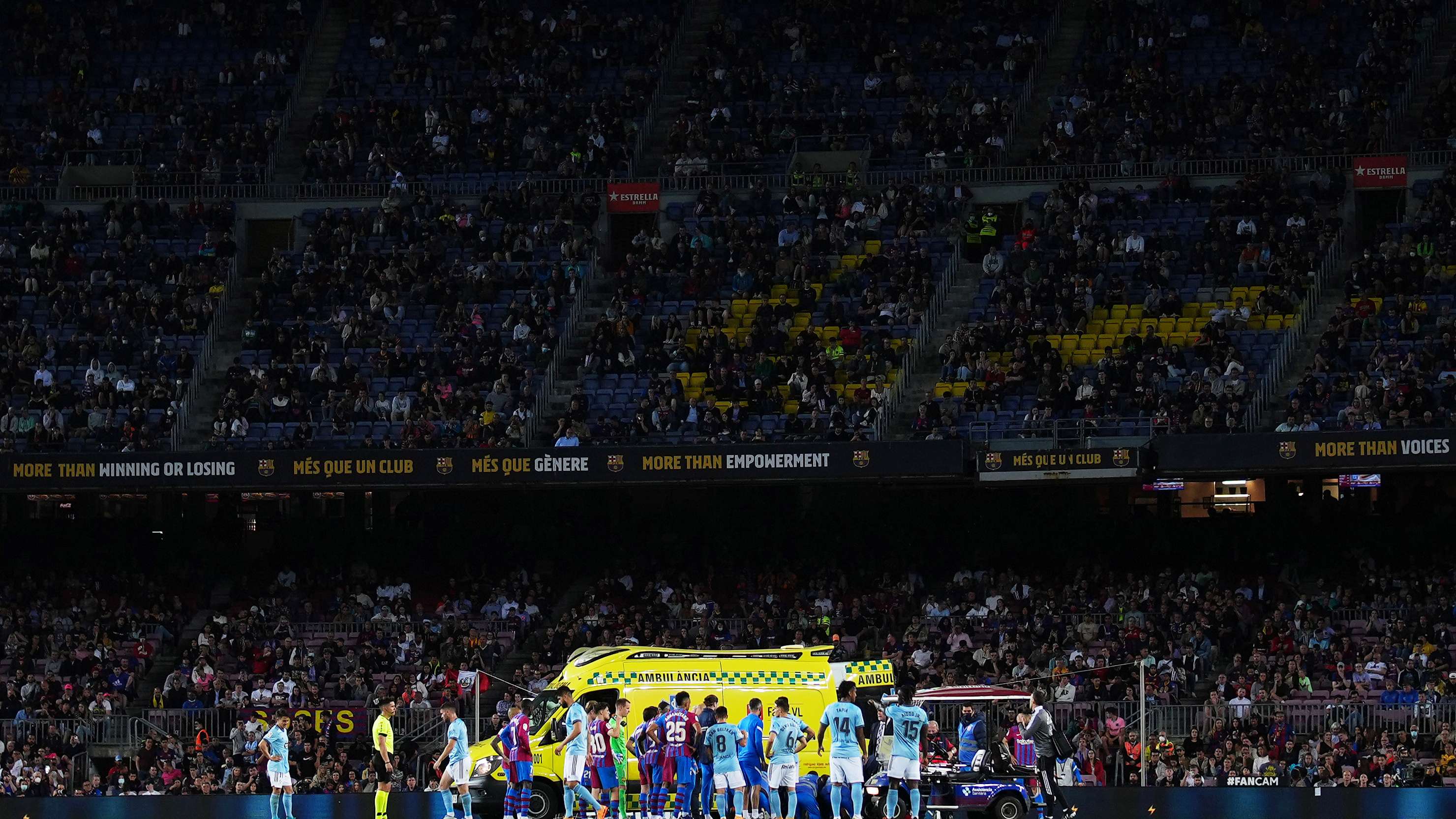
Despite the rapid response from bystanders, the incident soon revealed significant logistical challenges. Crespo was bundled into a private pickup truck by his teammates, who rushed him to the nearby “Bouquet Roldán” hospital. Throughout the journey, CPR was continued to sustain his vital functions. However, complications arose due to a malfunction in the ambulance that was dispatched to the scene. Officials admitted that the ambulance’s rear door had failed, delaying the transfer and complicating the rescue effort.
Remarkably, the ambulance arrived within two to three minutes of being called, but the technical issue hampered the transfer process. This incident has ignited criticism regarding the adequacy of emergency equipment and preparedness at amateur football venues, where resources are often limited compared to professional stadiums.
Medical Status and Ongoing Care
Upon arrival at the hospital, Crespo experienced three consecutive cardiac arrests, a life-threatening situation that underscores the gravity of his condition. Medical teams swiftly initiated advanced resuscitation efforts, and he was subsequently placed in intensive care. Currently, Crespo remains in a medically induced coma—an essential step to stabilize his brain and vital organs while doctors work tirelessly to determine the underlying cause of his cardiac events.
Doctors have described his condition as critical but remain cautiously optimistic about his prognosis. The incident has reignited discussions about the importance of comprehensive medical coverage, including automated external defibrillators (AEDs), trained medical personnel, and clear emergency protocols at all levels of football, from grassroots to professional leagues.
Community and Family Reactions: A Call for Action
Crespo’s family, teammates, and the local football community are currently living through a harrowing ordeal, desperately praying for his recovery. The incident has also prompted widespread debate about safety measures in amateur sports, which often operate with minimal medical infrastructure.
In response, local authorities and football organizers have acknowledged the need to improve emergency preparedness. The organizers of the “Torneo Don Pedro” have admitted that the ambulance’s technical failure was a critical setback and have pledged to review and upgrade their safety protocols moving forward. There are calls for mandatory presence of medical professionals at all amateur matches, along with increased availability of life-saving equipment such as AEDs.
The Broader Context: The Growing Importance of Medical Preparedness in Football
This tragic incident highlights a broader issue facing amateur and grassroots football worldwide. While professional leagues often have dedicated medical teams, advanced emergency facilities, and immediate access to specialized care, many local tournaments lack these essentials. The consequences can be devastating, as seen in Crespo’s case.
Experts emphasize that the risk of sudden cardiac events in athletes isn’t confined to professionals. Studies show that even amateur players, often with undiagnosed underlying health conditions, are vulnerable. Therefore, implementing mandatory medical checks, ensuring the availability of AEDs, and training volunteers and officials in emergency response are critical steps to safeguard players’ lives.
What Can Be Done to Prevent Future Incidents?
The Crespo tragedy serves as a wake-up call for football communities across the globe. Here are some key measures that can make grassroots football safer:
- Mandatory Medical Checks: Regular health screenings for all amateur players to identify potential cardiac risks.
- Increased Medical Equipment: Installing AEDs at all amateur venues and ensuring accessibility during matches.
- Training and Education: Equipping coaches, referees, and volunteers with CPR and emergency response training.
- Improved Emergency Protocols: Establishing clear procedures for quick medical intervention and transportation.
- Enhanced Infrastructure: Upgrading ambulance services and ensuring reliable transportation options at all sporting events.
Looking Ahead: The Role of Football in Promoting Player Safety
Football, as the world’s most popular sport, carries a profound cultural and social significance. Ensuring the safety of players at all levels is a moral imperative for clubs, leagues, and governing bodies. While the focus often centers on skill development and competition, player health and safety must be prioritized equally.
The Crespo incident has brought to light the urgent need for reforms in amateur football safety standards. It is a stark reminder that no player, regardless of age or skill level, should have their life endangered due to a lack of proper medical readiness.
Conclusion: A Community United in Hope and Reform
As Crespo remains in critical condition, the football community worldwide is rallying behind him, advocating for systemic changes to prevent similar tragedies. His fight for life underscores the importance of proactive safety measures and the collective responsibility to protect every athlete—amateur or professional.
In the end, this heartbreaking event serves as a catalyst for meaningful action, ensuring that grassroots football becomes a safer environment where passion for the game does not come at the expense of players’ lives. The hope is that Crespo’s story will inspire lasting reforms, saving lives in the future and reaffirming football’s true spirit—one of unity, safety, and respect.