
Qatari Businessman Nasser Al-Khelaifi Denies Interest in FIFA Presidency
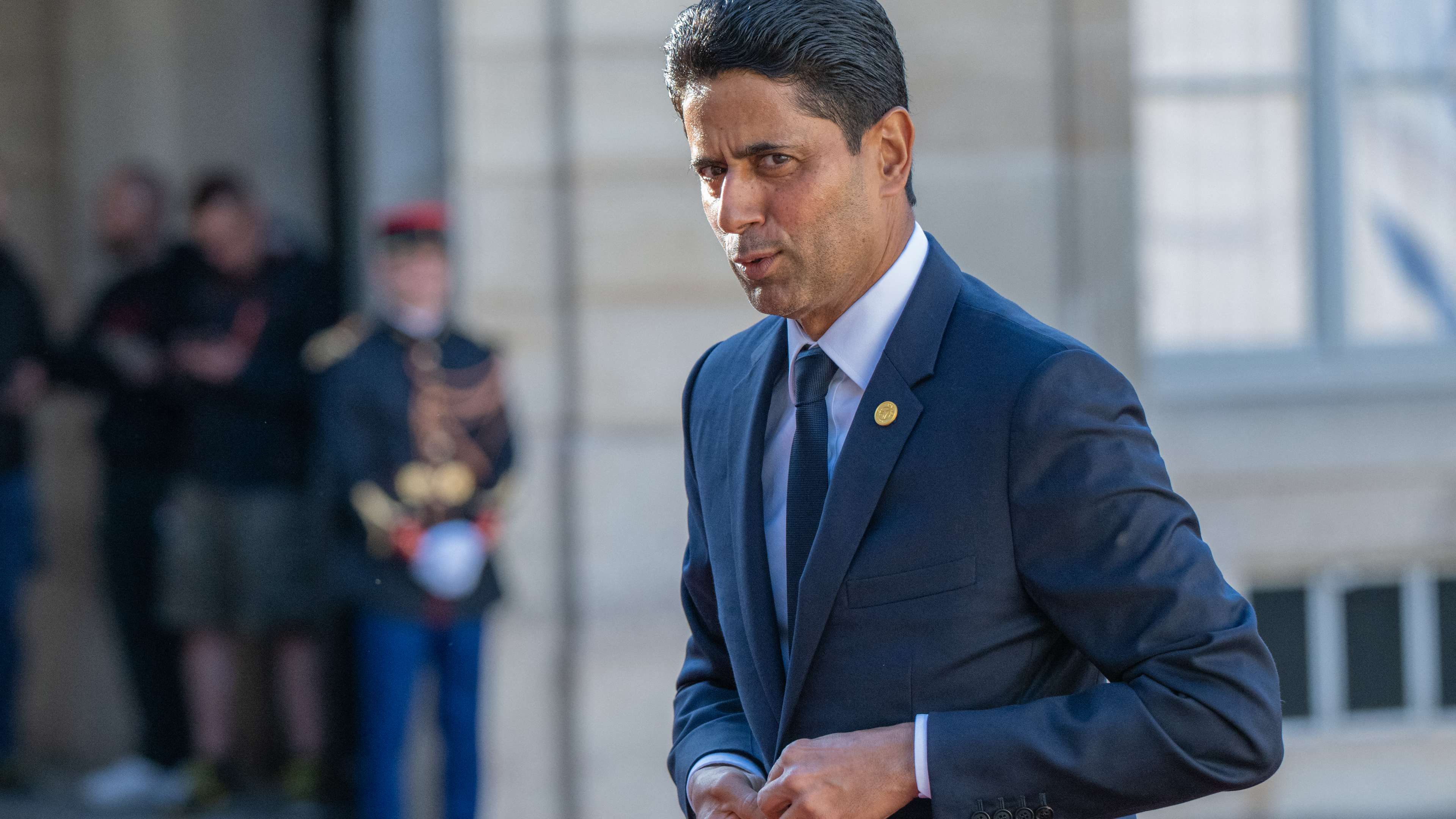
In a recent development within the world of football, Nasser Al-Khelaifi, the President of Paris Saint-Germain and a prominent figure in European football, has unequivocally dismissed any speculation regarding his potential candidacy for the FIFA presidency in the upcoming 2027 elections.
Background and Denial
Despite mounting rumors suggesting that Al-Khelaifi could be a strong contender with the backing of UEFA, one of his official spokespersons issued a statement debunking these claims. Reports in British media outlets such as “Politico” and “The Telegraph” had named him as a potential candidate supported by the European football governing body.
The spokesperson clarified, “Mr. Al-Khelaifi has no ambition, intention, or interest in this position at FIFA, nor in the surrounding media speculation. On the contrary, he remains committed to supporting global and European football institutions in a constructive manner.”
European Opposition to Infantino’s Plan
The reports had positioned Al-Khelaifi as a suitable successor to the current FIFA president, Gianni Infantino, particularly in light of the ongoing crisis within the organization caused by Infantino’s proposal to establish a commercial entity linked to FIFA. The European football community, led by UEFA, has vehemently opposed this plan and even threatened a boycott of the World Cup in protest.
As a long-standing member of the UEFA Executive Committee and the head of the European Football Clubs (EFC), which represents over 850 clubs across Europe, Al-Khelaifi’s close relationship with UEFA president Aleksander Ceferin has made him a potential candidate to lead FIFA, should Europe aim to regain influence over the international federation.
European Football Clubs’ Criticism
Amidst the growing discontent over Infantino’s commercial project, the European Football Clubs (EFC) issued a statement expressing their concern about FIFA’s unilateral decisions. The EFC, under Al-Khelaifi’s leadership, joined other voices in condemning the plan, which seeks to involve private sector investors in FIFA’s operations.
Many within European football view this move as a significant threat to the sport’s future and its core values, leading to a wave of criticism and opposition from various stakeholders.
Conclusion
As the football world continues to grapple with internal challenges and power struggles, Nasser Al-Khelaifi’s decision to distance himself from the speculation surrounding a potential FIFA presidency bid reflects the complex dynamics at play within the sport’s governance structures. The European opposition to Infantino’s initiatives underscores the deep-rooted concerns about the direction of international football and the need to uphold its traditions and integrity.
Keywords: football, prediction, FIFA presidency, Nasser Al-Khelaifi, UEFA, European Football Clubs
Nasser Al-Khelaifi’s Contributions to Football
While Nasser Al-Khelaifi has denied any interest in the FIFA presidency, his impact on the world of football is undeniable. As the President of Paris Saint-Germain (PSG), he has played a pivotal role in transforming the club into a global powerhouse. Under his leadership, PSG has secured multiple domestic titles and made significant strides in European competitions, attracting top talent from around the world.
Al-Khelaifi’s vision and investments have not only elevated PSG’s status but have also contributed to the overall growth and commercialization of football. His involvement in the sport extends beyond club management, as he has actively participated in various football organizations and initiatives aimed at advancing the game on a global scale.
Challenges Facing FIFA
The controversy surrounding Gianni Infantino’s proposed commercial entity linked to FIFA has exposed the ongoing challenges and complexities within the international football governing body. The pushback from UEFA and other stakeholders underscores the deep-seated tensions between different regions and interest groups vying for influence and control within FIFA.
As FIFA grapples with issues of transparency, governance, and financial sustainability, the need for strong and ethical leadership becomes increasingly apparent. The selection of the next FIFA president will be crucial in shaping the future direction of the organization and addressing the concerns raised by various stakeholders.
Global Impact of FIFA Presidency
The FIFA presidency is not merely a position of administrative authority but also a platform for promoting unity, fairness, and development in football worldwide. The individual elected to lead FIFA must navigate complex geopolitical landscapes, cultural sensitivities, and economic interests to ensure the sport’s continued growth and inclusivity.
With the 2027 elections on the horizon, the football community eagerly anticipates the emergence of candidates who embody the values of integrity, accountability, and progress. While Nasser Al-Khelaifi has opted out of the race, the field remains open for other potential contenders to step forward and offer their vision for the future of international football.
Looking Ahead
As the debate surrounding the FIFA presidency continues to unfold, it is essential for stakeholders to prioritize the long-term sustainability and integrity of the sport. Collaboration, dialogue, and shared commitment to football’s fundamental principles will be instrumental in overcoming the current challenges and charting a path towards a more equitable and prosperous future for the beautiful game.
While Nasser Al-Khelaifi’s decision not to pursue the FIFA presidency may have disappointed some supporters, his dedication to enhancing football’s global appeal and promoting positive change within the sport remains unwavering. As the football landscape evolves, new leaders and advocates will undoubtedly emerge to shape the next chapter of international football governance.
Keywords: football, prediction, FIFA presidency, Nasser Al-Khelaifi, UEFA, European Football Clubs