
Fabio Carille Questions Stoppage-Time Decision After Al-Feiha’s Loss to Al-Ahli
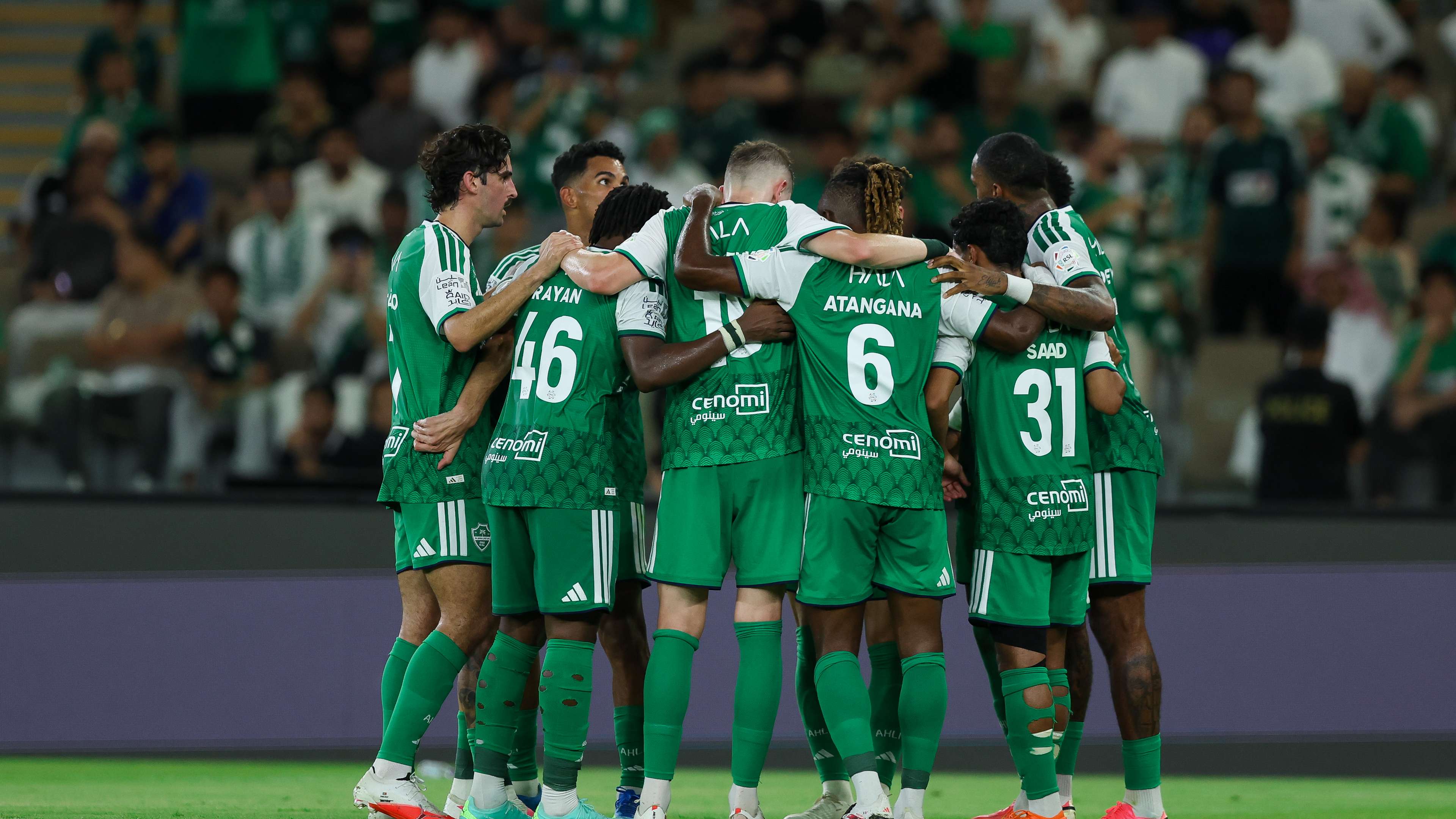
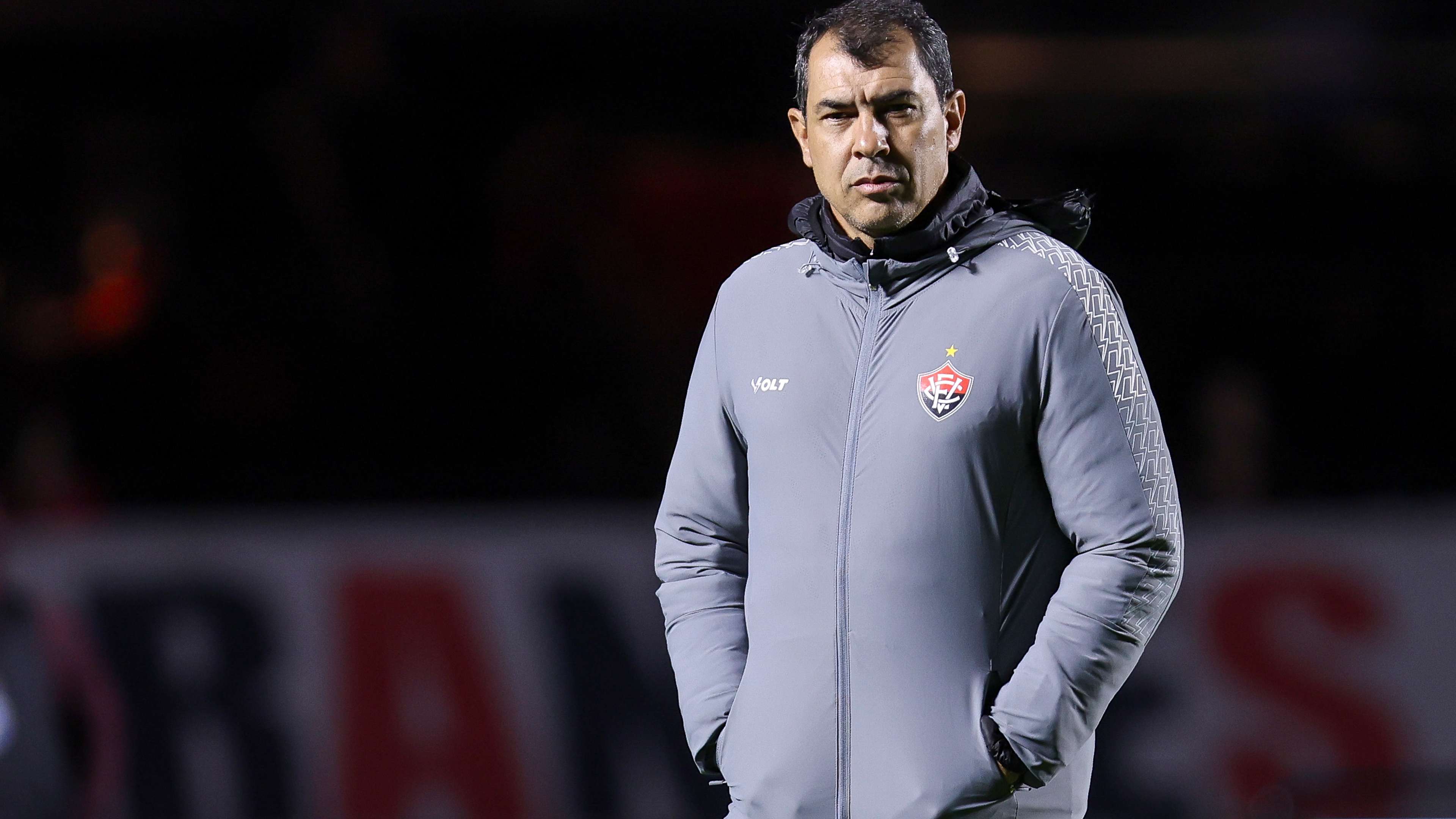
Al-Feiha coach Fabio Carille has criticised the officiating after his side suffered a dramatic 3-2 defeat to Al-Ahli in the tenth round of the Saudi Roshn League. The Brazilian manager’s anger centred on a first-half stoppage-time goal by Ukrainian midfielder Artem Bondarenko, which arrived after the two minutes initially indicated by the referee.
The incident became the defining talking point of an entertaining five-goal contest. For Carille, the timing of Al-Ahli’s goal was more than a matter of seconds: he argued that the additional minute was not communicated to Al-Feiha’s technical staff and came at a crucial stage of the match. A former international referee, however, defended the decision, noting that the announced stoppage time represents a minimum rather than a fixed limit.
Bondarenko’s goal sparks a dispute
Al-Ahli found the net in the third minute of first-half added time, with Bondarenko scoring after the referee had signalled two minutes. The goal gave the home side a significant moment of momentum and immediately prompted questions from Al-Feiha’s players and staff about why play had continued.
Speaking at his post-match press conference, Carille said he had asked the referee to explain the extra minute. According to the coach, the official replied that it had been added in agreement with the fourth official. Carille said his staff had not been aware of that decision, leaving him astonished by how the situation had unfolded.
His objection was not simply that the match continued beyond the time displayed. Carille’s concern was that Al-Feiha did not appear to receive clear notice that the first-half stoppage period had been extended. In a tight Saudi Pro League fixture, even a short additional spell can change the rhythm of the game, particularly when one side scores during it.
Carille believes Al-Feiha could have taken more from the match
The Brazilian coach’s post-match comments also focused on his team’s missed chances. Carille felt Al-Feiha had opportunities to make the most of its first-half performance and suggested that Al-Ahli had not created a serious threat before Bondarenko’s goal.
That assessment points to the frustration behind his criticism. From Al-Feiha’s perspective, the late goal did not just alter the scoreline; it arrived when the team believed it had managed the half effectively. Carille argued that his players had chances to put the match beyond reach, but failed to convert them. Al-Ahli, by contrast, made better use of its opportunities and ultimately claimed all three points.
The result therefore leaves room for two interpretations. Al-Feiha can point to missed chances and a disputed moment that changed the game’s momentum, while Al-Ahli can emphasise its ability to take advantage of key openings. In football, those details often decide close matches—and they are likely to shape the discussion around this game well beyond the final whistle.
Refereeing analyst says the goal was valid
Former international referee Saad Al-Kathiri, who works as a refereeing analyst for Al-Jazira newspaper, supported the decision to allow the goal. His explanation was that the time shown for stoppage time is a minimum, not a strict deadline that requires the referee to end the half at that exact moment.
Under that principle, the referee can add further time when circumstances justify it, including delays or other interruptions. The referee remains responsible for managing the match clock, and a signal indicating two minutes does not necessarily mean play must stop as soon as those two minutes have elapsed.
Al-Kathiri’s view addresses whether the extra time could be permitted under the rules. Carille’s complaint, meanwhile, raises a separate issue: whether the extension was communicated clearly enough to both teams. That distinction helps explain why the debate has continued. A decision may be within the referee’s authority while still prompting questions about communication, transparency and the impact of its timing.
A result with consequences for the Saudi Pro League race
Al-Ahli’s 3-2 victory delivered a valuable league win in a match that demanded both attacking quality and composure. The five-goal scoreline also underlined how quickly the contest could swing, with Al-Feiha showing enough threat to trouble their opponents but not enough efficiency to secure a result.
For Al-Feiha, the immediate challenge will be to turn the frustration into a stronger performance in the next round. Carille’s comments suggest he believes his squad competed well in stretches, but the missed opportunities offer a clear area for improvement. Creating chances is only part of the job; converting them can prevent a controversial decision or late goal from becoming decisive.
Al-Ahli, meanwhile, can take confidence from finding the net at a pivotal moment and holding on for the win. The result may also reinforce the importance of staying alert until the referee signals the end of a half. In a high-pressure football match, players cannot assume that the indicated stoppage time marks an automatic finish.
What the controversy means for prediction and analysis
For supporters assessing upcoming fixtures, this match offers a reminder that league prediction involves more than comparing team form or league position. Finishing, defensive concentration, substitutions, match tempo and the management of added time can all influence the outcome. Al-Feiha’s missed chances and Al-Ahli’s ability to capitalise on a key opening may prove more instructive for future analysis than the stoppage-time debate alone.
The final verdict on the incident will depend on how fans weigh the referee’s authority against the teams’ expectations about communication. Carille saw an unexpected extension that helped decide a crucial moment; Al-Kathiri argued that the referee was entitled to add time beyond the initial indication. What is clear is that Bondarenko’s goal turned a competitive match into a flashpoint—and ensured that Al-Ahli’s narrow win would be remembered for both its drama and its controversy.