
Al Ahly Faces New Crisis Amid Tensions with Egypt’s National Team Coach Hossam Hassan
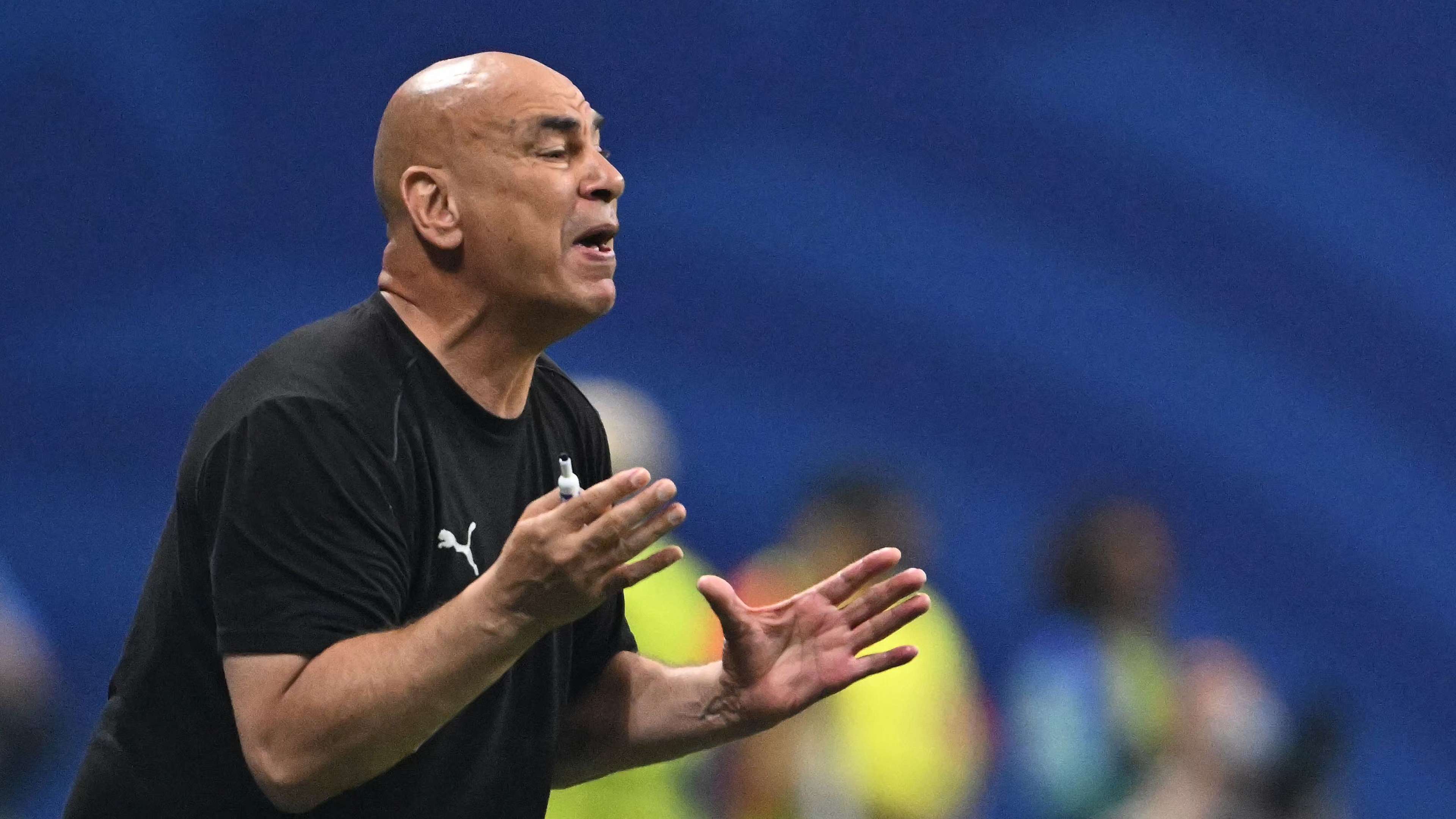
Recent developments have escalated tensions between Egypt’s premier football club, Al Ahly, and the national team’s head coach, Hossam Hassan. The controversy centers around comments Hassan made concerning key players Mohamed El Shenawy and Emam Ashour, sparking a heated response from the club that underscores the delicate balance between club loyalty and national team duties in Egyptian football.
Clash Over Player Selection and Respect in Egyptian Football
Al Ahly, renowned for its rich history and competitive success in African and Egyptian football, has issued a strong statement condemning what it perceives as disrespectful remarks by Hassan. The club emphasized that while coaching decisions are inherently subjective and based on technical assessments, they must be made within the bounds of mutual respect and professionalism. The club made it clear that no player’s moral or technical standing should be undermined, especially when representing both club and country.
Hossam Hassan’s Comments on Mohamed El Shenawy
The controversy ignited when Hassan explained during a recent press conference that Mohamed El Shenawy, the highly regarded goalkeeper and captain of Al Ahly as well as the Egyptian national team, was not included in the current national squad. Hassan acknowledged El Shenawy’s previous appearances for Egypt but pointed out that he is “finished with his club,” implying a decline in his form or fitness. Despite this, Hassan maintained a respectful tone, stating that national team selection is ultimately the coach’s prerogative based on his technical vision.
Al Ahly’s official response was swift and firm. The club revealed that they had deliberately refrained from engaging publicly with Hassan’s remarks until after the recent match against Angola, prioritizing the public interest and team stability. This patience was tested, given the club’s recent participation in major tournaments such as the FIFA Club World Cup, where several international players were unavailable due to national team commitments. Nonetheless, Al Ahly underscored that silence does not equate to acceptance, especially when it concerns the respect owed to their captain and a key figure in Egyptian football.
Implications for Mohamed El Shenawy and the Egyptian National Team
The club’s statement highlighted the significance of El Shenawy’s role, not just as a club captain but also as a representative of Egypt’s footballing stature. They stressed that his technical abilities and moral standing are integral to the team’s identity, and any attempt to diminish his reputation is unacceptable. This stance underscores the broader debate about how national team selections should be handled while respecting players’ contributions at the club level.
Controversy Surrounding Emam Ashour’s Inclusion
The disagreement extended to Emam Ashour, a talented midfielder and former Egypt international. Hassan suggested that Ashour was included in the squad prior to the Africa Cup of Nations as a trial run, implying that his inclusion might have been more about testing rather than merit. Al Ahly viewed this comment as an inappropriate framing that undermines the professionalism expected in dealing with national team players. The club asserted that while Hassan has the right to select players he deems fit, such remarks risk damaging the mutual respect essential for healthy football relations.
Criticism of Comments on Egyptian Clubs’ Level
Adding fuel to the fire, Hassan also criticized the quality of Egyptian domestic football, claiming that local clubs do not play “real football.” Al Ahly responded strongly to this assertion, considering it a belittling of the Egyptian Premier League and the competitions organized by the Egyptian Football Association (EFA) and the Professional Clubs Association. The club emphasized that Egyptian clubs continue to produce talented players and competitive matches, and disparaging their efforts undermines the hard work of players, coaches, and officials involved in Egyptian football.
Broader Context: Football Prediction, National Pride, and Club-Country Dynamics
This controversy highlights the ongoing tension in many footballing nations between club commitments and national team duties. In Egypt, where football is a vital part of national identity, such disagreements can have far-reaching implications beyond the pitch. The debate over player selection—particularly for key figures like El Shenawy—often intersects with national pride, football prediction models, and the perceived prestige of domestic leagues.
Football prediction enthusiasts and analysts often scrutinize player form, fitness, and tactical fit when forecasting match outcomes. Similarly, the current dispute underscores the importance of respecting the professional assessments that influence team selection. Dismissing a player’s value based on personal opinions rather than objective evaluation can undermine team cohesion and morale, especially when the player is both a club captain and a national icon.
What’s Next for Egyptian Football?
Al Ahly’s statement concluded with a note of anticipation, awaiting the Egyptian Football Association’s (EFA) formal response to what they termed as “overstepping” by Hassan. The club reaffirmed that disagreements over player selection should remain within the realm of coaching decisions, not personal remarks that could tarnish the reputation of players or clubs.
This incident raises questions about the future relationship between club and national team authorities in Egypt. It also emphasizes the need for clear communication channels and mutual respect to ensure the development of Egyptian football. As fans and pundits debate the prediction models for upcoming fixtures, the core issue remains: how can Egypt’s football ecosystem foster cooperation rather than conflict?
Expert Opinions and Industry Reactions
Football experts suggest that such conflicts, while not uncommon, can be mitigated through open dialogue and shared understanding of each party’s roles. They emphasize that national team coaches must balance tactical needs with respect for club contributions, especially when players hold leadership positions like El Shenawy’s captaincy. Moreover, the incident highlights the importance of maintaining professionalism in public statements to preserve the integrity of Egyptian football.
Conclusion: A Call for Respect and Unity in Egyptian Football
As Egyptian football continues its journey toward greater success and recognition, preserving unity and mutual respect between clubs and the national team remains essential. The current crisis serves as a reminder that behind the tactical predictions and technical assessments lies a shared passion for football that unites players, clubs, and fans alike. Moving forward, fostering respectful communication and collaborative decision-making will be key to unlocking Egypt’s full footballing potential, ensuring that national pride and club loyalty go hand in hand.