
Diego Gomez Stuns Crystal Palace With 51-Metre Premier League Strike
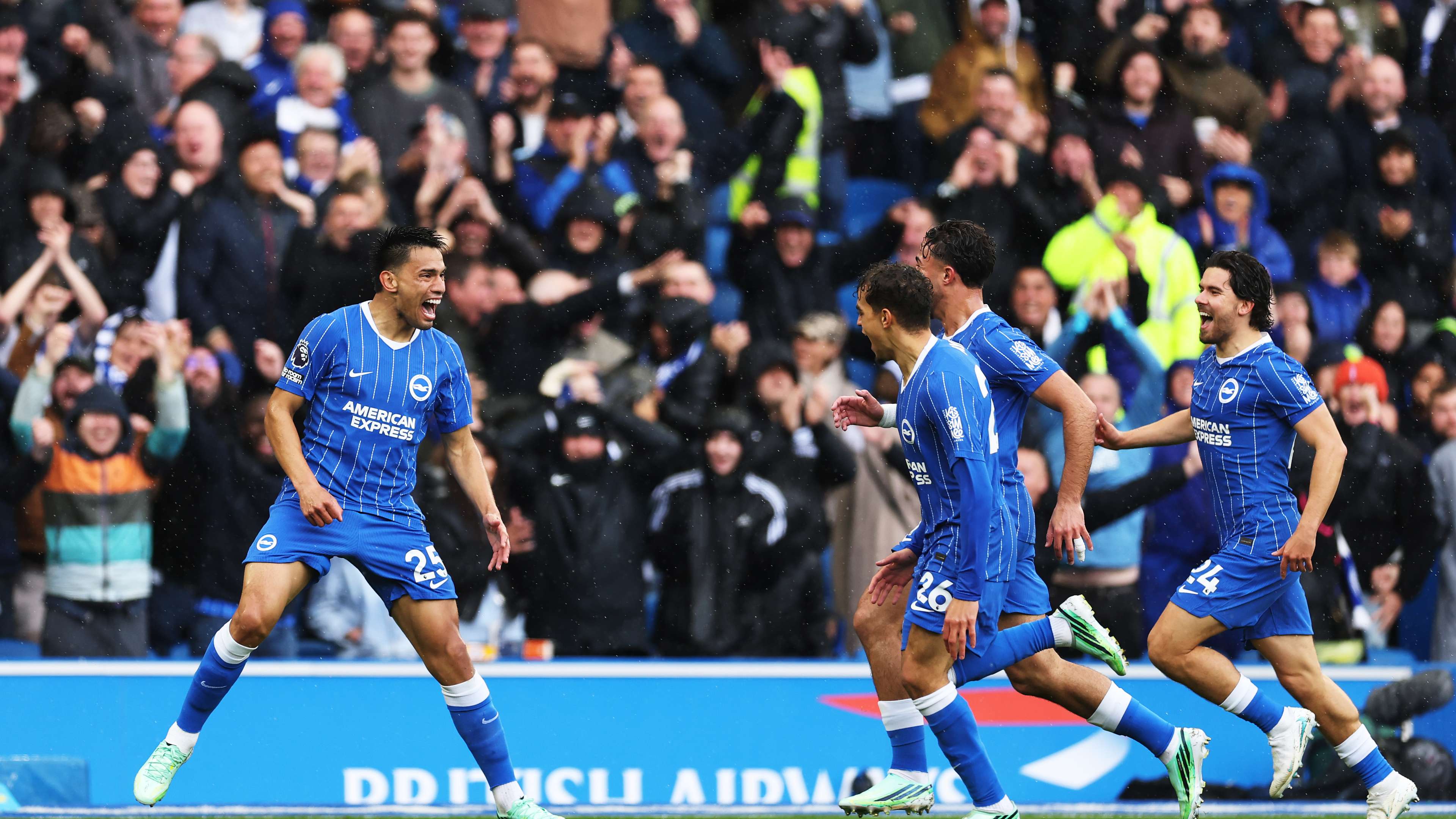
Brighton midfielder Diego Gomez delivered one of the Premier League’s most spectacular moments on Sunday, scoring from near the halfway line in a 3–1 victory over Crystal Palace. The remarkable goal arrived only seven minutes into the match, when the Paraguay international spotted goalkeeper Walter Benitez away from his line and sent a long-range effort sailing into the net.
Gomez’s strike travelled an estimated 51 metres, according to Opta statistics. It is the longest-range Premier League goal since Wayne Rooney scored from 58 metres for Everton against West Ham in November 2017. The early goal immediately set the tone for a lively contest—and offered Brighton supporters a moment likely to feature among the season’s standout highlights.
Quick thinking turns opportunity into a wonder goal
The goal was as much about awareness as power. With Palace’s defensive shape still developing, Gomez looked up, noticed Benitez positioned well beyond his goal line and reacted without hesitation. His attempt rose from distance before dipping towards the target, leaving the goalkeeper unable to recover in time.
Long-range goals require a rare combination of vision, technique and confidence. A player must judge the goalkeeper’s position, calculate the distance and strike the ball with enough height and pace to beat a retreating keeper. Gomez managed all three in a single moment. Rather than playing the safe pass, he recognised that the open space behind Benitez offered a chance worth taking.
The timing made the finish even more significant. Scoring inside the opening seven minutes gave Brighton an early advantage and forced Crystal Palace to adjust their approach. For the visitors, it was an immediate reminder that even a brief lapse in positioning can be punished at the highest level of English football.
A goal with a place in Premier League history
At 51 metres, Gomez’s effort joins the small group of unusually long-distance goals that have captured the imagination of Premier League fans. Rooney’s 58-metre strike remains the benchmark in the Opta era cited for this record. While Gomez did not surpass it, the distance and execution put his goal in remarkable company.
Such finishes are uncommon because the conditions have to align. The goalkeeper needs to be far enough from the line, the shooter must have a clear view and the ball has to travel accurately over a considerable distance. The attempt also carries risk: a misplaced strike can hand possession back to the opposition and leave the attacking team exposed. Gomez’s decision paid off spectacularly.
The goal also underlined the value of scanning the pitch before receiving or playing the ball. In modern football, players are trained to make quick decisions under pressure, but moments of individual invention still matter. Gomez’s awareness transformed a fleeting opening into a goal that could be replayed and discussed long after the final whistle.
Brighton’s strong start keeps them near the top
The victory strengthened Brighton’s position in the early-season standings. After seven matches, the club had recorded five wins, one draw and one defeat, collecting 16 points and sitting third in the table. Their positive goal difference reflected an impressive balance between attacking output and defensive results.
Manchester City led the standings with 21 points from seven wins, while Arsenal were second on 18. Brighton’s place among the leading sides indicated that they were competing effectively with the league’s established contenders. The table remained tightly packed behind the top three, however, making every result important as teams looked to build momentum.
For Brighton, Gomez’s goal was more than a viral highlight. It helped establish an early foothold in a derby-style meeting with Palace and reinforced the confidence that can come from making an aggressive start. A fast opening goal can change the rhythm of a match, encouraging the scoring side to press forward while requiring the opponent to take greater risks.
Crystal Palace left with questions to answer
Palace’s defeat left them 14th in the standings, with two wins, one draw and four losses from their first seven games. Their position was far from decisive at this early stage of the campaign, but the match offered a reminder of how small details can shape a result. Goalkeeper positioning, communication between defenders and awareness of threats from distance can all become crucial against opponents willing to shoot early.
That does not mean every goalkeeper should remain rooted to the goal line. Playing high can help a team defend space and support its build-up play. But the approach demands constant awareness, particularly when an opponent has time and room to look up. Gomez recognised the opportunity before Palace could close it down.
What the result could mean for the season
Early league tables should always be viewed with caution. Seven matches provide useful clues about form, but there is a long way to go before the final positions are settled. Manchester City’s perfect start made them early favourites to remain in the title conversation, while Arsenal and Brighton were also showing the consistency needed to challenge near the summit.
Any football prediction based on such an early snapshot must account for injuries, fixture difficulty, squad depth and the inevitable swings in form. Brighton’s start suggested they had the quality to remain competitive, but sustaining a top-three position would require continued performances across the season. Palace, meanwhile, had time to respond and move away from the lower half of the table.
For now, the clearest takeaway is Diego Gomez’s extraordinary finish. It combined awareness, technique and audacity in a way that few goals can. The 51-metre strike may not have broken Rooney’s distance record, but it gave Brighton a memorable win, added a fresh highlight to Premier League history and reminded fans that a moment of quick thinking can change a match in an instant.