
FIFA Faces Scrutiny Over Folarin Balogun’s Suspended World Cup Ban
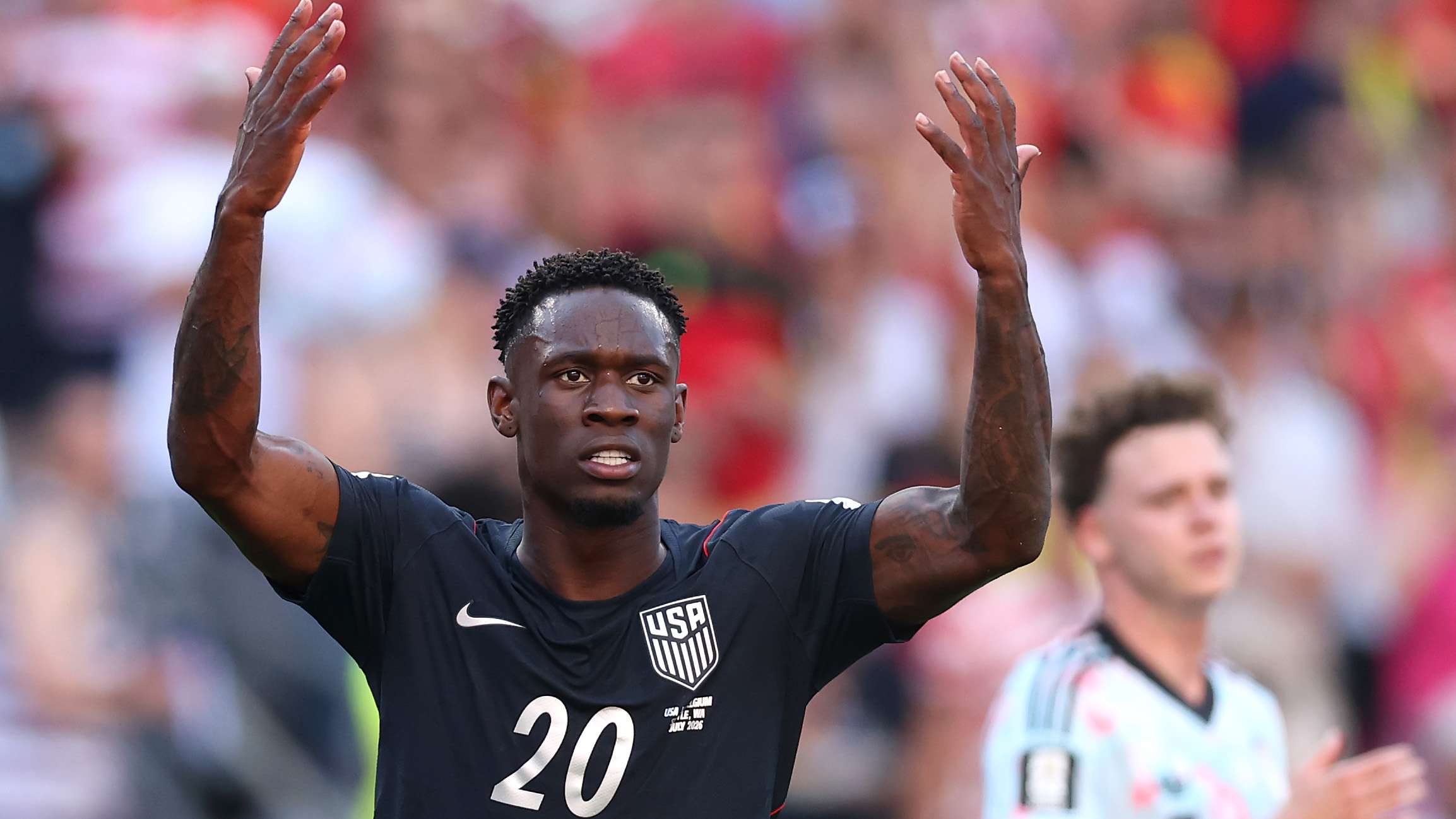
FIFA is preparing to defend its handling of a disciplinary case involving United States forward Folarin Balogun, whose suspension was put on hold after he was sent off against Bosnia and Herzegovina at the 2026 World Cup. The decision allowed him to play in the Americans’ round-of-16 match against Belgium, prompting criticism from Belgian officials, UEFA and several members of the European Parliament.
The controversy has raised broader questions about how football’s governing body applies its rules, whether disciplinary decisions are consistent across national teams, and how independent those decisions remain when political figures become involved. FIFA is expected to address the matter at a meeting of its council, with reports suggesting it will argue that the regulations did not clearly cover the circumstances of Balogun’s case.
Why FIFA Says the Rules Were Unclear
According to Spanish newspaper Marca, citing sources close to the FIFA Council, the organisation plans to defend its decision by pointing to uncertainty in its disciplinary regulations. FIFA’s position is reportedly that the rules did not provide sufficiently clear guidance on how to handle the case, giving the disciplinary committee grounds to suspend the punishment conditionally.
That explanation has attracted scrutiny because FIFA’s existing rules have generally treated a red card as carrying an automatic suspension of at least one match. Appeals are typically limited to defined situations, such as a case of mistaken identity or a clear and serious error in the referee’s decision to dismiss a player.
FIFA is also reportedly considering changes to Article 27 of its disciplinary code. Any amendment could clarify how suspended sanctions are applied in future cases. But changing the wording after a high-profile decision has already been made may invite further questions about whether new rules are being used to explain, or effectively justify, an earlier outcome.
What happened to Balogun’s suspension?
FIFA has said it did not overturn Balogun’s red card. Instead, its disciplinary committee imposed a one-match suspension and a fine of $40,000, while suspending the implementation of the ban for a one-year probationary period. That arrangement meant Balogun remained available for the United States’ knockout match against Belgium.
The distinction matters: FIFA’s account is that the punishment remained in place but was not immediately enforced. Critics, however, argue that the practical result was the same as allowing the forward to avoid the expected one-game ban at a crucial stage of the tournament.
Trump’s Call Adds a Political Dimension
The disciplinary decision became an international talking point after U.S. President Donald Trump acknowledged calling FIFA president Gianni Infantino about Balogun’s dismissal. Trump reportedly urged Infantino to review the incident and argued that the play did not warrant a foul.
FIFA’s disciplinary committee has denied that it faced interference. In a statement issued on 6 July, the organisation said the red card, shown on 1 July, had not been cancelled. It described the outcome as a conditional suspension of the punishment rather than a reversal of the referee’s decision.
Even with FIFA’s denial, the timing of the call and the subsequent ruling have fuelled concerns about the appearance of political influence. In international football, where disciplinary decisions can shape a team’s tournament prospects, even the perception that outside pressure affected an outcome can damage confidence in the process.
Belgium Match Ends in Defeat for the United States
Balogun’s return did not change the United States’ World Cup fortunes. The Americans lost 4–1 to Belgium in the round of 16 and were eliminated. The result shifted the focus away from the striker’s availability on the pitch, but it did not settle the debate surrounding FIFA’s decision.
For supporters and analysts, the issue is not simply whether Balogun’s presence influenced the score. It is whether the same disciplinary reasoning would be applied to another player, from another country, in a comparable situation. That question is likely to remain central as FIFA explains its approach to the council and considers possible changes to its code.
Balogun says he thought the situation was a joke
After the United States’ elimination, Balogun described the episode as “unreal” and said he initially thought it was a joke. His reaction reflected how unusual the sequence appeared: a dismissal, a high-profile presidential phone call, a conditional suspension and the striker’s return for a knockout fixture.
Balogun’s comments do not resolve the regulatory dispute, but they underline how quickly the case grew beyond the original on-field incident. What began as a refereeing decision became a test of FIFA’s communication, its disciplinary framework and its ability to demonstrate that its rules are applied consistently.
What the FIFA Case Could Mean for Future Football Decisions
The council’s review may have implications beyond this World Cup. If FIFA concludes that Article 27 is unclear, revising it could help define when a suspension may be paused, what conditions must apply and which body has authority to make that decision. Clearer guidance could reduce uncertainty for players, teams and national associations.
However, any reform will need to address concerns about fairness as well as technical wording. A transparent process should explain why a sanction is suspended, how probation is assessed and whether comparable cases have received similar treatment. Without those details, even a formally lawful decision can remain difficult for the public to trust.
For fans following the tournament, the episode has become a reminder that football’s biggest controversies are not always settled by the final whistle. FIFA’s explanation—and any changes it proposes—will be watched closely by national teams, governing bodies and supporters looking for confidence that disciplinary rules apply equally to everyone.
As the debate continues, there is no simple prediction for how FIFA’s defence will be received. The outcome will depend not only on the wording of the regulations, but also on whether the governing body can convincingly show that its decision was based on established procedures rather than outside pressure.