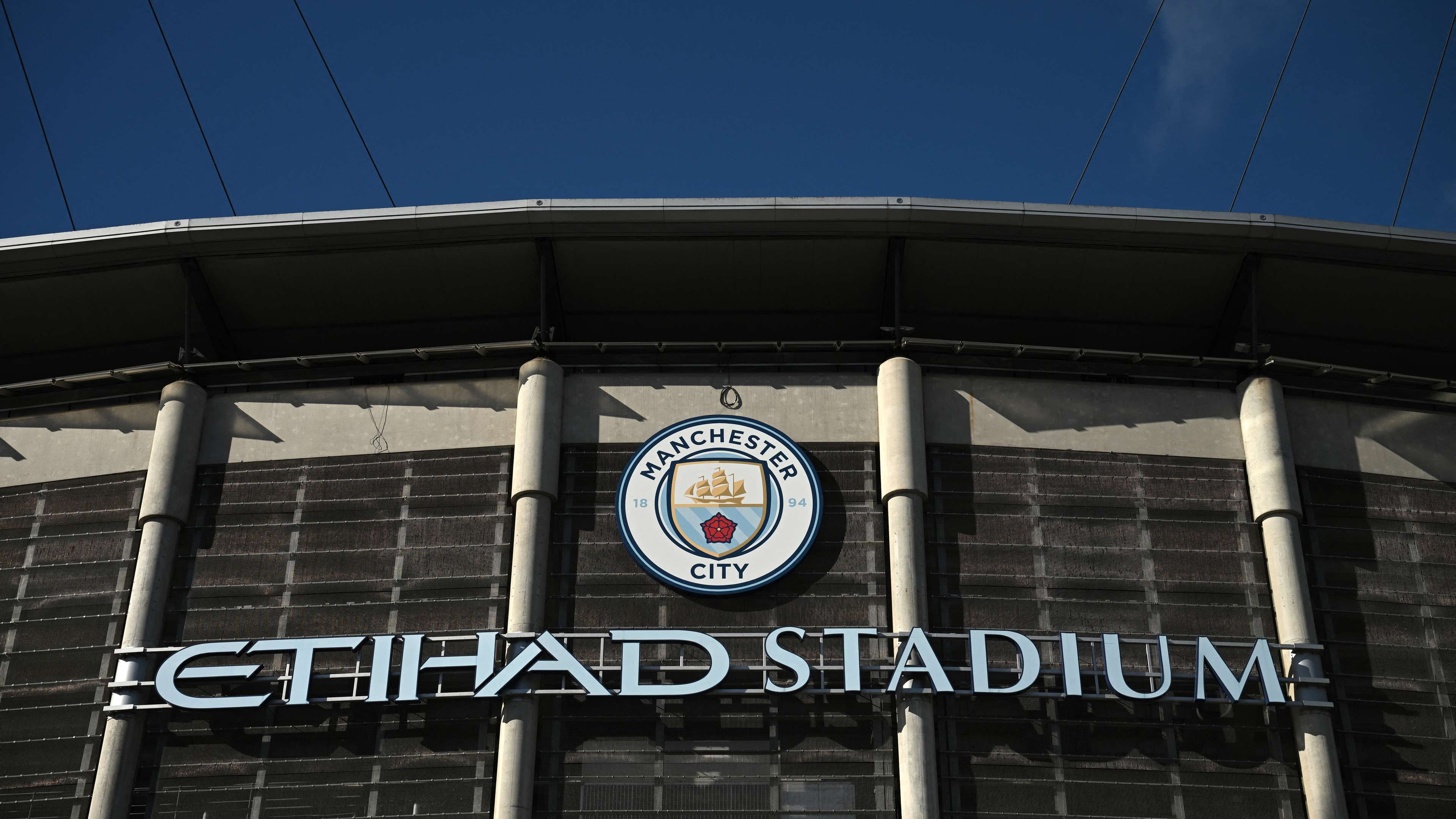

Manchester City Faces Regulatory Scrutiny After Financial Breach Conviction: What It Means for Football’s Future
In a development that has sent shockwaves through the world of football, Manchester City has been found guilty of committing 115 financial breaches, raising serious questions about the integrity and management of one of England’s most prominent clubs. The conviction has prompted strong statements from the Independent Football Regulator (IFR), emphasizing its authority and willingness to act in the best interest of the sport’s sustainability and fairness.
What Led to the Conviction? An Overview of the Financial Breaches
Manchester City, a club renowned for its recent dominance in English football, particularly in the Premier League, now faces a critical scrutiny following a detailed investigation into their financial dealings. The independent commission’s ruling points to numerous breaches of financial regulations, including irregularities in accounting practices, undisclosed sponsorship arrangements, and potential violations of financial fair play rules.
The findings have serious implications, not just for the club’s reputation but also for the broader landscape of football governance. The allegations suggest that Manchester City may have manipulated or bypassed financial regulations to gain a competitive edge, a practice that threatens the integrity of competitions and the trust of fans worldwide.
The Role of the Independent Football Regulator in Upholding Football Integrity
David Kogan, the chairman of the IFR, has publicly underscored the regulator’s role and its willingness to utilize its powers to investigate and address any misconduct by club owners, directors, or executives. Speaking to Spanish sports newspaper “Marca,” Kogan emphasized that the regulator’s primary mission is to safeguard the sustainability, integrity, and safety of English football, especially in light of recent high-profile controversies.
“We have the authority to examine the suitability of club owners, their directors, and executives, and we will invoke this power when it is deemed appropriate,” Kogan stated. “Our goal is to ensure that no individual or entity undermines the ethical standards and financial stability of the sport.”
This statement signals a firm stance from the regulator, indicating that it is prepared to take decisive action should evidence of individual wrongdoing surface. The IFR’s scope includes scrutinizing club ownership structures, financial transactions, and compliance with regulatory standards to prevent future crises similar to the Manchester City case.
Implications of the Ruling: What Could Happen Next?
The investigation’s outcomes could have far-reaching consequences, including potential sanctions against Manchester City or even other clubs found to be involved in similar misconduct. While Manchester City maintains its innocence and is preparing to appeal the ruling by next Friday, the situation remains fluid and complex.
Manchester City’s management, led by CEO Ferran Soriano, has dismissed the allegations as baseless conspiracy theories. Soriano called the case a “false accusation” and expressed confidence that the club possesses conclusive evidence to prove its innocence. This defiant stance underscores the high-stakes legal battle that is unfolding behind the scenes.
Meanwhile, the ongoing legal proceedings between Manchester City and the Premier League add an extra layer of complexity. The club has argued that its financial practices comply with all regulations, and it is awaiting a final verdict. The outcome of these proceedings could influence the regulator’s future actions, especially regarding the suitability of club officials and ownership structures.
The Broader Context: Why This Matters for Football Prediction and the Future of the Game
This case is more than just a legal dispute; it touches on the core principles that underpin football’s competitive integrity. For fans, bettors, and analysts engaged in football prediction, understanding the regulatory environment is crucial. The integrity of team finances and ownership directly impacts team performance, transfer strategies, and overall league competitiveness.
In the broader context, this incident highlights the ongoing need for robust governance and transparency within football. The establishment of the Independent Football Regulator was a response to similar crises, such as the European Super League controversy, which threatened to undermine the sport’s traditional values.
By enforcing strict financial and ownership standards, regulators aim to create a level playing field, ensuring that success is determined by sporting merit rather than financial manipulation. For football prediction enthusiasts, this translates into a more predictable and fair environment, where genuine sporting performance prevails over financial skullduggery.
What Does the Future Hold for Manchester City and English Football?
While the final verdict is still pending, the case serves as a warning to all clubs about the importance of maintaining transparency and compliance with regulatory standards. Manchester City’s next steps, whether through their appeal or potential sanctions, will be closely watched by fans and stakeholders alike.
In the longer term, this incident underscores the importance of continued regulation and oversight in football. As the sport evolves, so must the mechanisms that guard against financial misconduct and ensure fair play. The IFR’s readiness to wield its powers when necessary is a testament to the sport’s commitment to integrity, but it also highlights the ongoing challenges faced by regulators worldwide.
Conclusion: A Pivotal Moment for Football Governance
The conviction of Manchester City on 115 financial breaches marks a pivotal moment in football history. It emphasizes that no club, regardless of their success or stature, is above scrutiny when it comes to financial integrity and ethical conduct. The Independent Football Regulator’s stance and willingness to act reinforce the importance of strong governance in safeguarding the future of the beautiful game.
As the legal and regulatory processes unfold, fans, analysts, and stakeholders await further developments. The outcome will not only determine Manchester City’s fate but could also set a precedent for how football’s governing bodies handle financial misconduct in the years to come. In a sport driven by passion, competition, and reputation, maintaining strict oversight is essential to preserve the integrity and unpredictability that makes football the world’s most beloved sport.