
Manchester United Fall to 16th After Bournemouth’s 3-0 Win
Manchester United’s difficult Premier League campaign took another damaging turn on Sunday, as Bournemouth secured a commanding 3-0 victory at Old Trafford. The result pushed United down to 16th place and intensified questions about the team’s direction, defensive organisation and ability to respond under pressure.
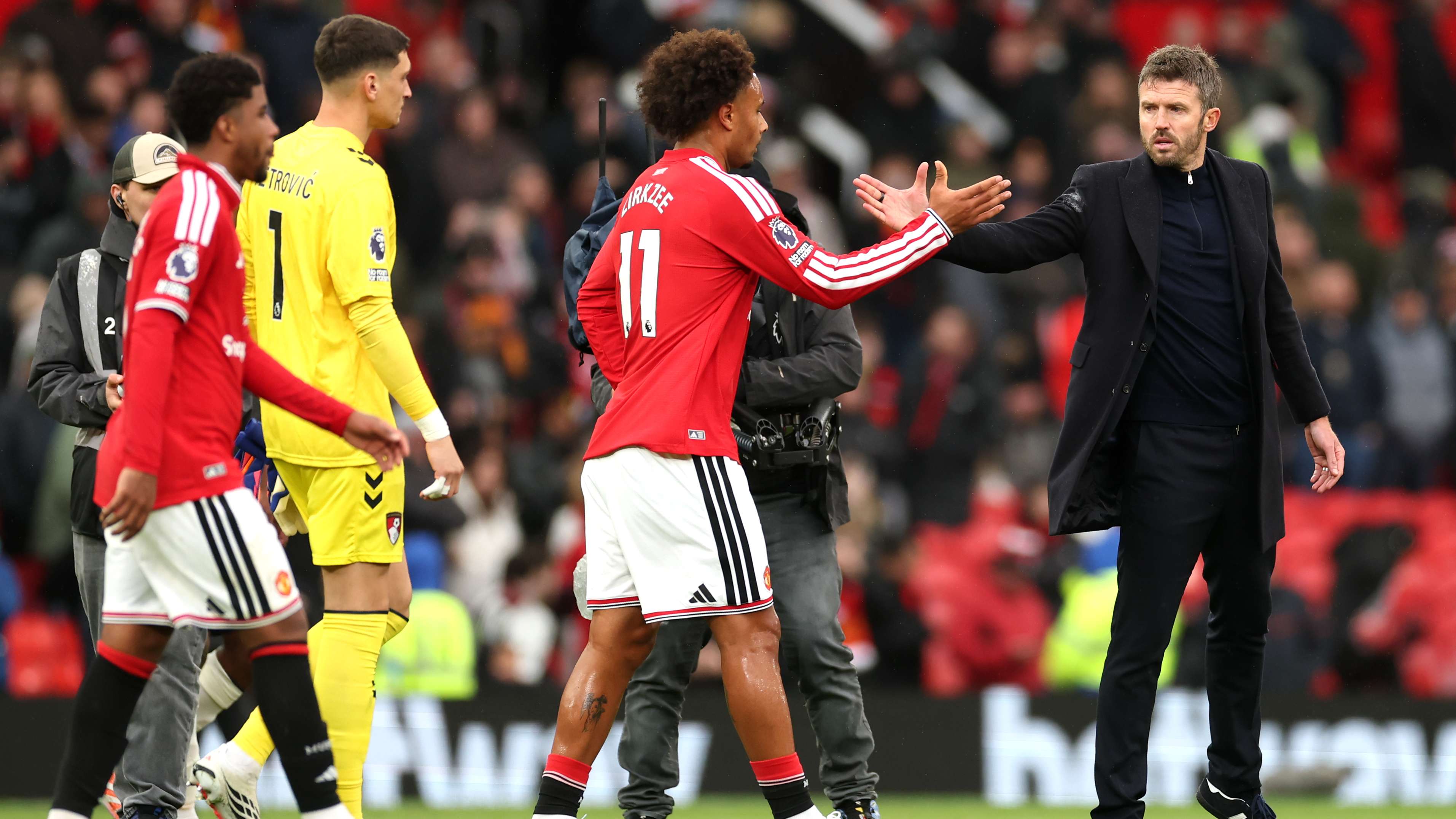
Despite the scale of the home defeat, the reaction inside the stadium was not a straightforward rejection of manager Michael Carrick. Supporters who endured a frustrating 90 minutes still chanted his name, suggesting that at least some fans remain willing to back him even as the pressure grows. That support, however, came alongside visible anger at a performance that left United with plenty to address.
How Bournemouth Took Control at Old Trafford
Bournemouth made their breakthrough in the 38th minute, when Ryan put the visitors ahead. The goal gave the away side a reward for their assertive approach and left United chasing the game before half-time. Marcus Tavernier then doubled Bournemouth’s advantage, placing the hosts in a difficult position as they headed into the break two goals behind.
United needed a fast and composed response after the interval, but instead Bournemouth continued to look dangerous. Evanilson added a third in the second half, completing a convincing away performance and turning a challenging afternoon for the home side into a heavy defeat. Bournemouth’s ability to convert their opportunities contrasted sharply with United’s inability to contain attacks or build a sustained comeback.
The scoreline was particularly painful for a club accustomed to competing near the top of English football. A loss of this kind affects more than the league table: it can also deepen doubts about confidence, tactical discipline and the team’s capacity to handle setbacks. With United now 16th, every upcoming fixture carries added significance.
Defensive Errors Become a Major Talking Point
Much of the post-match criticism focused on United’s defensive display. According to The Sun, Harry Maguire, Lisandro Martinez and goalkeeper Senne Lammens became the focus of supporters’ frustration. Their performances were widely discussed online, where fans questioned the coordination and decision-making that contributed to Bournemouth’s goals.
Several supporters took aim at Lammens, while others argued that the centre-backs also had to accept responsibility. One user on X wrote: “My God, Lammens, you are a complete fool. This goes beyond Carrick.” Another described Lammens, Maguire and Martinez as “truly shocking” during the match.
The third goal drew particular scrutiny. One fan argued that Maguire could not avoid criticism, claiming Evanilson was able to dribble past Lammens while the defensive response behind the goalkeeper was inadequate. The comments reflect the frustration of watching a team concede in a manner that appeared to expose several layers of the defence at once.
Online reactions capture only part of the story, and individual mistakes should be considered within the context of the team’s overall performance. Still, the volume of criticism points to a broader concern: United looked vulnerable when Bournemouth attacked, and the home side struggled to restore order once the visitors gained momentum.
Carrick Faces Pressure as Fans Debate Responsibility
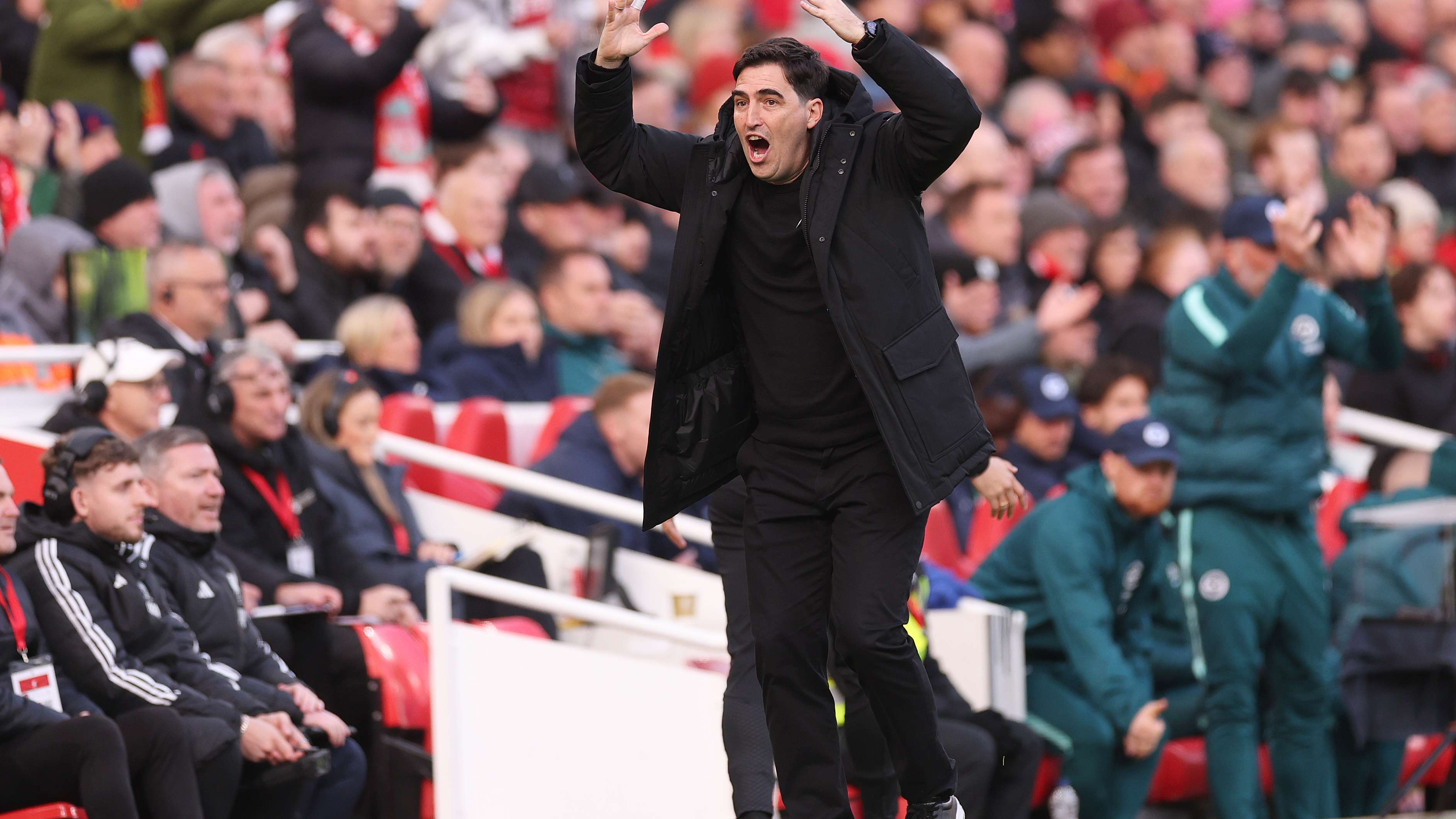
A 3-0 defeat inevitably places the manager under scrutiny, and Carrick’s position is likely to remain a central topic among supporters and commentators. Yet the chants heard at Old Trafford suggest that the crowd’s feelings are more complicated than a simple call for change. Some fans appeared to distinguish between the manager and the players’ execution, while others questioned whether the problems run deeper than one match or one individual.
That debate is common during a difficult run: supporters want to know whether poor results stem from tactical choices, a lack of confidence, individual errors or wider issues with squad balance. The Bournemouth game offered reasons for concern in several of those areas. United conceded three times, failed to respond effectively after falling behind and left key defensive players exposed to intense criticism.
For Carrick, the immediate challenge is to turn the reaction into a more disciplined performance. That means finding a way to protect the defence, improve communication between goalkeeper and centre-backs, and give the team a clearer route back into games when it concedes first. A strong response would not erase the Bournemouth result, but it could help restore belief and ease some of the growing pressure.
Upcoming Fixtures Offer a Chance to Respond
Manchester United’s next listed match is a Premier League meeting with Chelsea on 31 October 2026. It represents a demanding opportunity to show that the defeat has prompted a reaction rather than further uncertainty. Chelsea will provide a different test, but United’s defensive organisation and composure are likely to attract close attention.
Bournemouth, meanwhile, are scheduled to face Aston Villa in the Carabao Cup on 29 October 2026. Their Old Trafford victory should provide confidence as they turn their attention to the cup competition, although maintaining that momentum against another challenging opponent will require the same focus and efficiency.
What the Result Means for United’s Season
United’s position in 16th makes the Bournemouth loss more than a disappointing afternoon. It increases the importance of collecting points consistently and raises the stakes around every performance. In a competitive Premier League season, a team can quickly become trapped in a cycle of pressure if defeats are followed by uncertainty and further defensive mistakes.
Any prediction about United’s next steps should therefore be cautious. The team has the opportunity to respond, but the signs from this match underline the work required. Support from the crowd may give Carrick some breathing room, yet patience will depend on visible improvement—particularly at the back.
For now, the central question is whether Manchester United can turn criticism into a constructive reset. Bournemouth were clinical, organised and confident; United were left searching for answers. The response in the next fixture will offer an important indication of whether this defeat becomes a turning point or another setback in an increasingly demanding campaign.