
The Saudi Pro League’s Recruitment Committee Under Fire
Controversy Surrounds Valuations of Foreign Players
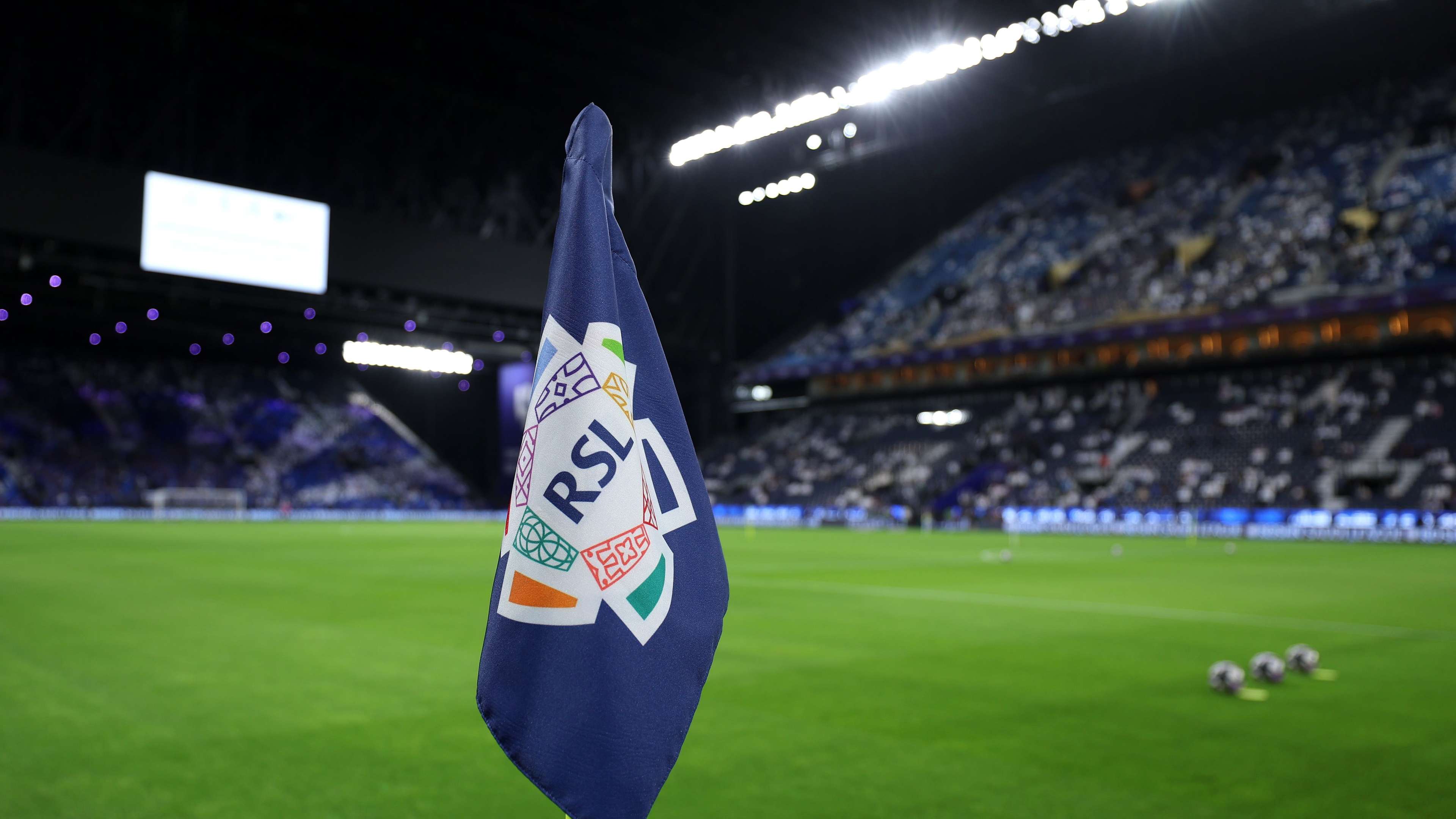
In a recent turn of events, the recruitment committee affiliated with the Saudi Pro League has come under intense scrutiny and criticism. Reports from various press outlets have shed light on the inner workings of the committee, sparking a wave of anger and frustration among several clubs in the league.
One of the main points of contention revolves around the valuations placed on foreign players by the committee. Many clubs have expressed their displeasure with what they perceive as unfairly low valuations, which have effectively blocked them from completing deals to sign the players they desire.
According to sources close to the matter, the discrepancy in valuations has caused significant disruptions in the transfer market, leading to a standstill in negotiations between clubs and players. This has not only affected the clubs’ ability to strengthen their squads but has also raised questions about the transparency and fairness of the committee’s decision-making process.
Clubs Voice Frustration
Several clubs have openly voiced their frustration with the recruitment committee’s actions, highlighting the impact it has had on their ability to compete effectively in the league. The inability to secure key foreign players at reasonable valuations has left many clubs at a disadvantage compared to their rivals.
Club officials have expressed concerns about the lack of communication and dialogue with the committee, stating that their grievances have not been adequately addressed. Some have even gone as far as accusing the committee of favoritism and bias in its decision-making, further fueling the controversy surrounding the issue.
Calls for Transparency and Accountability
In response to the growing discontent among clubs, there have been calls for greater transparency and accountability from the recruitment committee. Club representatives have urged the committee to provide more clarity on the criteria and methodology used to determine player valuations, in order to ensure fairness and equity in the process.
Furthermore, there have been demands for increased dialogue and consultation between the committee and clubs to address concerns and grievances in a timely and effective manner. The lack of communication and cooperation between the two parties has been cited as a major obstacle to resolving the current impasse in the transfer market.
Looking Ahead
As the controversy surrounding the recruitment committee continues to escalate, all eyes are now on how the committee will respond to the mounting pressure from clubs and stakeholders in the league. The future of player recruitment and transfer negotiations in the Saudi Pro League hangs in the balance, with the need for a resolution becoming increasingly urgent.
It remains to be seen how the committee will address the concerns raised by clubs and whether they will take steps to enhance transparency and accountability in their decision-making processes. In the meantime, clubs are left grappling with the repercussions of the current situation, as they strive to navigate the challenges of building competitive squads in a highly competitive football landscape.
The Role of Data Analytics in Football Prediction
One way clubs can potentially mitigate the impact of the recruitment committee’s decisions is by leveraging data analytics in their player recruitment and scouting processes. By using advanced metrics and statistical analysis, clubs can make more informed decisions when identifying and evaluating potential transfer targets.
Data analytics can provide valuable insights into a player’s performance, playing style, strengths, weaknesses, and overall contribution to the team. By analyzing key performance indicators such as passing accuracy, goals scored, tackles won, and distance covered, clubs can assess a player’s suitability for their squad more objectively.
Furthermore, predictive analytics can be used to forecast a player’s future performance and potential impact on the team. By using historical data and machine learning algorithms, clubs can predict how well a player is likely to adapt to a new league, environment, or playing style, helping them make more strategic and cost-effective transfer decisions.
Building a Competitive Squad Through Strategic Recruitment
While the controversy surrounding the recruitment committee may present challenges for clubs in the short term, there are opportunities for clubs to adopt a more strategic approach to player recruitment and squad building. By focusing on identifying undervalued or overlooked talents, clubs can potentially find hidden gems in the transfer market.
Clubs can also explore alternative sources of recruitment, such as youth academies, loan deals, free agents, or scouting networks in other regions or countries. By diversifying their recruitment strategies and expanding their player pool, clubs can enhance their squad depth and competitiveness without solely relying on the decisions of the recruitment committee.
Additionally, clubs can prioritize developing and nurturing local talent through their youth systems, grassroots programs, and academy structures. By investing in the development of homegrown players, clubs can reduce their reliance on foreign players and create a strong foundation for long-term success and sustainability.
Collaboration and Dialogue for a Sustainable Football Ecosystem
As clubs continue to navigate the challenges posed by the recruitment committee and the broader implications for player recruitment in the Saudi Pro League, there is a growing need for collaboration and dialogue among all stakeholders in the football ecosystem. Clubs, governing bodies, fans, players, and sponsors must work together to ensure the long-term sustainability and growth of the league.
By fostering open communication, transparency, and accountability, clubs and the recruitment committee can address underlying issues, resolve conflicts, and build trust within the football community. Establishing clear channels of communication, feedback mechanisms, and dispute resolution processes can help prevent future controversies and promote a more harmonious and cooperative relationship between clubs and the committee.
Ultimately, by embracing data analytics, adopting a strategic approach to player recruitment, and promoting collaboration and dialogue, clubs in the Saudi Pro League can navigate the current challenges and build competitive squads capable of achieving success on and off the pitch.