
Former FIFA President Sepp Blatter Opposes FIFA’s World Cup Share Sales Plan
Sepp Blatter, the former president of FIFA, has spoken out against current president Gianni Infantino’s proposal to sell shares of the World Cup to private-sector investors. The plan involves creating a new company to manage the commercial rights of the World Cup, Women’s World Cup, and Club World Cup, with a portion of the capital being given to private investors.
Blatter’s Criticism
Blatter criticized the move, which has sparked controversy within the football community. He believes that it goes against the essence of the game. In an interview with “Foot Mercato,” he expressed his concerns about the financial ties between Infantino and investors, particularly those close to former U.S. President Donald Trump’s inner circle. Blatter firmly stated, “No one has the right to sell our sport.”
UEFA’s Stance
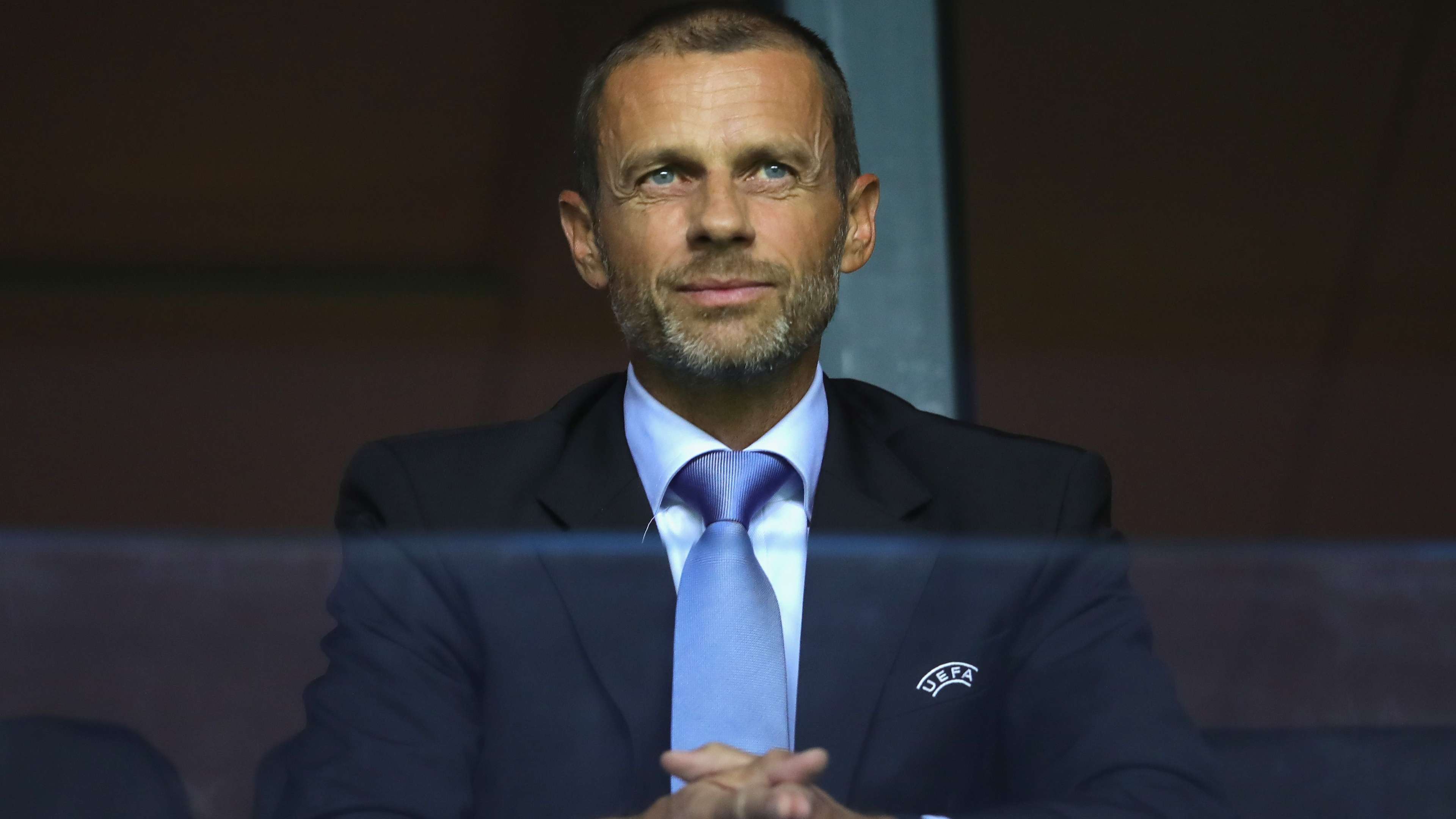
Blatter’s criticism comes on the heels of UEFA’s strong objection to the plan. The European football governing body emphasized that the spirit of football and its governance should not be up for sale. The pushback from UEFA has further fueled the opposition to Infantino’s proposal.
Concerns and Opposition
Many leaders within the football community are concerned that the involvement of private-sector investors could lead to a more profit-driven approach. There are fears that this could result in more frequent World Cup tournaments, an expanded format, or hosting rights being awarded based on commercial factors rather than merit.
Infantino’s Future Role
If the plan goes through, Gianni Infantino is expected to take on a significant role in the new structure once his current term ends. However, accusations of conflict of interest have been raised, adding to the mounting pressure on FIFA to reconsider the proposal.
Final Thoughts
As criticism mounts and opposition grows within the football community, the debate over FIFA’s plan to sell shares of the World Cup to private investors continues. The controversy surrounding the potential financialization of the world’s most prestigious football tournament highlights the ongoing tensions within the sport’s governance and commercial interests.
It remains to be seen how FIFA will address the concerns raised by figures like Sepp Blatter and UEFA, and whether the proposed changes will come to fruition despite the growing backlash from key stakeholders in the football world.
Alternative Perspectives on FIFA’s World Cup Share Sales Plan
While Sepp Blatter and UEFA have voiced strong opposition to FIFA’s proposal to sell shares of the World Cup to private-sector investors, there are also differing opinions within the football community. Some argue that involving private investors could bring much-needed financial resources to the sport, leading to innovations and improvements that benefit fans and players alike.
Proponents of the plan suggest that increased funding from private investors could help develop football infrastructure in regions that are currently underserved. This could lead to the growth of the sport in areas that have traditionally struggled to compete on the global stage, promoting inclusivity and diversity within football.
Potential Benefits of Private Investment
Private-sector involvement in the World Cup could also lead to the implementation of new technologies and advancements in areas such as fan engagement, broadcasting, and stadium facilities. By tapping into the expertise and resources of private investors, FIFA could potentially enhance the overall experience of the World Cup for fans around the world.
Moreover, proponents of the plan argue that a more commercially-driven approach could help FIFA address financial challenges and ensure the long-term sustainability of the World Cup. By diversifying revenue streams and exploring new business opportunities, FIFA may be better equipped to navigate the evolving landscape of global sports and entertainment.
Balancing Tradition and Innovation
As the debate over FIFA’s World Cup share sales plan continues, it raises broader questions about how to balance tradition with innovation in the world of football. While preserving the integrity and spirit of the game is paramount, exploring new models of governance and financing could present opportunities for growth and development.
Finding a middle ground that respects the heritage of football while embracing the possibilities offered by private investment will be crucial for FIFA as it navigates the complexities of modern sports management. The challenge lies in striking a balance that maintains the essence of football while harnessing the potential benefits of new partnerships and revenue streams.
Looking Ahead
Ultimately, the discussion surrounding FIFA’s plan to sell shares of the World Cup to private investors underscores the need for careful consideration and transparent decision-making within the football community. As stakeholders continue to voice their opinions and concerns, it will be essential for FIFA to engage in meaningful dialogue and address the diverse perspectives shaping the future of the sport.
Whether the proposal moves forward or faces significant revisions, the ongoing conversation highlights the importance of balancing tradition, innovation, and sustainability in the ever-evolving landscape of global football.
By exploring various viewpoints and considering the potential benefits and challenges of private-sector involvement in the World Cup, the football community can have a more nuanced understanding of the complexities at play in FIFA’s proposed changes.