
Michael Ballack Defends Bayern Munich Teenager Lennart Karl Amid Growing Criticism
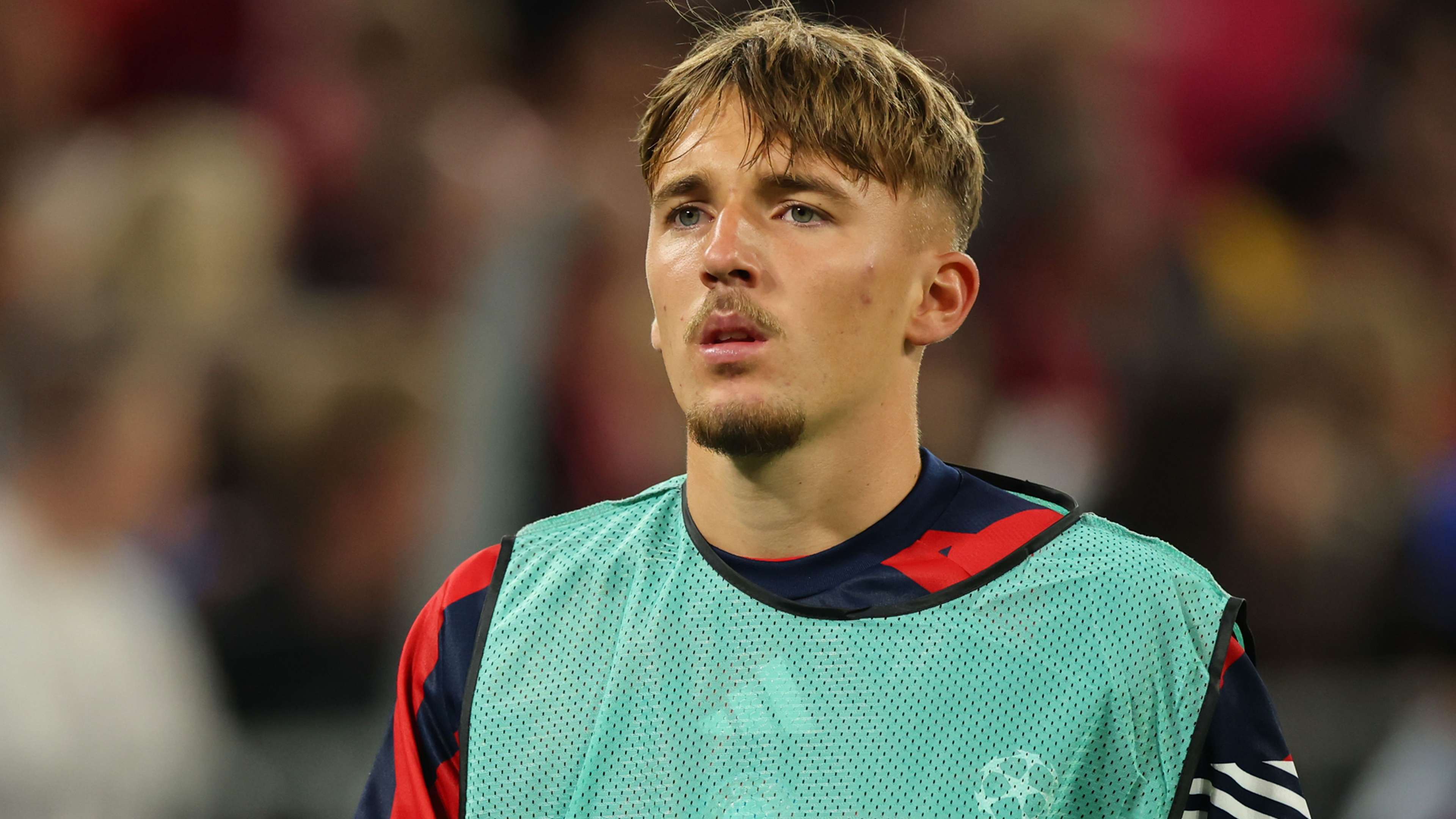
Bayern Munich prospect Lennart Karl is facing scrutiny not only for his performances but also for the way he presents himself away from the pitch. The debate has drawn in club honorary president Uli Hoeneß and Karl’s agent, former Germany captain Michael Ballack, who has urged critics to remember that the forward is still only 18.
Speaking on DAZN, Ballack pushed back against the intensity of the public discussion surrounding his client. “Lennart is only 18. Where were you at 18?” he asked, arguing that Karl is still learning how to handle both the demands of elite football and the attention that comes with playing for Bayern.
Ballack also defended Karl’s use of social media, describing it as a normal part of modern public life rather than an automatic sign of misplaced priorities. Young players, he suggested, should be allowed to express themselves, even if they sometimes make choices that invite criticism. The key question, in his view, is whether that attention is becoming a distraction from the teenager’s development as a footballer.
Hoeneß Wants Humility and Perspective
Ballack’s comments followed a pointed assessment from Hoeneß, who told Welt am Sonntag that he intended to have a serious conversation with Karl. The Bayern figure cautioned against treating the teenager as a finished star, saying he still had a long way to go before reaching that level.
Hoeneß also questioned whether comparisons with fellow Bayern attacker Michael Olise were helpful. The two players, he argued, remain at very different stages, and constant praise or reassurance may not necessarily help Karl improve. His broader message was that young talents need both support and pressure, along with the humility to keep working.
That tension is familiar at a club where expectations are exceptionally high. Bayern’s academy graduates and young signings are often judged against established internationals, while every public appearance can become part of a wider conversation about professionalism. For Karl, the challenge is to establish his own identity without allowing comparisons or headlines to define his progress.
Social Media, Style and Life in the Spotlight
According to Bild, some Bayern officials are also uneasy about Karl’s online presence and the attention surrounding his private life, including his relationship with influencer Zoe Käppele. The reported concern is that a highly visible lifestyle could draw focus away from football. Within the club, the preferred approach is said to be greater discretion and concentration on training and matches.
Tom Bischof has been cited as an example of a young player who keeps his relationship largely out of the public eye. But players differ in how they manage their personal lives, and a social media profile alone does not establish whether someone is committed to their sport. The more meaningful measure, ultimately, is how a player performs, prepares and responds to coaching.
This is not the first time Hoeneß has commented on Karl’s appearance. In May, after the injured youngster watched Bayern’s 4-3 victory over Real Madrid from the stands in a pink outfit, Hoeneß said players did not need to appear online in a pink suit. He recalled intervening in a similar situation involving Bastian Schweinsteiger, framing the remarks as part of the club’s longstanding approach to guiding young players.
Ballack Says Public Criticism Can Add Pressure
Ballack acknowledged that Hoeneß is entitled to express an opinion about Karl’s public image. However, he warned that criticism from a prominent Bayern figure can turn a young player into a target, particularly when comments are repeated across media and social platforms. That exposure can make it harder to separate a teenager’s development on the pitch from discussion about his clothes, posts or relationships.
There is also a sporting question at the centre of the debate. Karl has made 11 appearances for Bayern, recording one goal and two assists. Those numbers offer only a snapshot of his contribution, especially for a teenager adjusting to senior football, but they also underline why patience is important. Young attackers can experience uneven spells as they adapt to faster opponents, tactical demands and limited opportunities.
Ballack said Karl must take responsibility for responding through his performances. The youngster, he argued, needs to show that he can move beyond any dip in form and continue improving. At the same time, Ballack challenged comments from Bayern sporting board member Max Eberl, questioning the timing and substance of describing Karl as being in a sporting slump when, in Ballack’s assessment, his performances had begun to improve.
A Promising Talent Still Finding His Way
Ballack believes Karl’s personality is part of what makes him distinctive. A confident young player may occasionally frustrate people around him, he said, but that does not mean the trait should be erased. Ballack described Karl’s progress over the past year as outstanding and argued that establishing himself at Bayern at such a young age reflects not only footballing ability but also character.
That defence carries an important caveat: Ballack represents Karl through his agency, Lucky 13, while also working as a DAZN pundit. His perspective is therefore not wholly detached. Even so, the discussion raises a wider issue for elite clubs: how to guide young stars without allowing every mistake or personal choice to become a public referendum on their professionalism.
For Bayern, the immediate priority will be helping Karl translate promise into consistent performances. For the player, that means balancing confidence with discipline and letting his football answer the criticism. And for supporters following his progress, any prediction about how quickly he will become a first-team regular should be made cautiously. Talent can open the door, but development depends on time, coaching, resilience and opportunity.
Ballack’s closing message was clear: Karl should listen, learn and keep improving, but he should not be reshaped completely by outside expectations before turning 20. The debate may continue, yet the most persuasive response will come on the pitch—where the young Bayern forward has the chance to show that his potential can withstand the pressure surrounding him.