
Kylian Mbappe’s Injury Sparks Intense Debate and Predication in Football Circles
The football world was shaken by the news of Kylian Mbappe’s recent injury, sparking widespread concern among fans, analysts, and medical experts alike. The incident not only raises questions about the severity of the injury but also ignites discussions about the possible underlying causes—particularly the recent switch in footwear sponsorship from Nike to Swiss sportswear brand On. As the injury unfolds into a complex story involving athlete health, brand associations, and prediction-based warnings, the football community is eager to understand what lies ahead for one of the sport’s brightest stars.
The Injury That Shocked the Football World
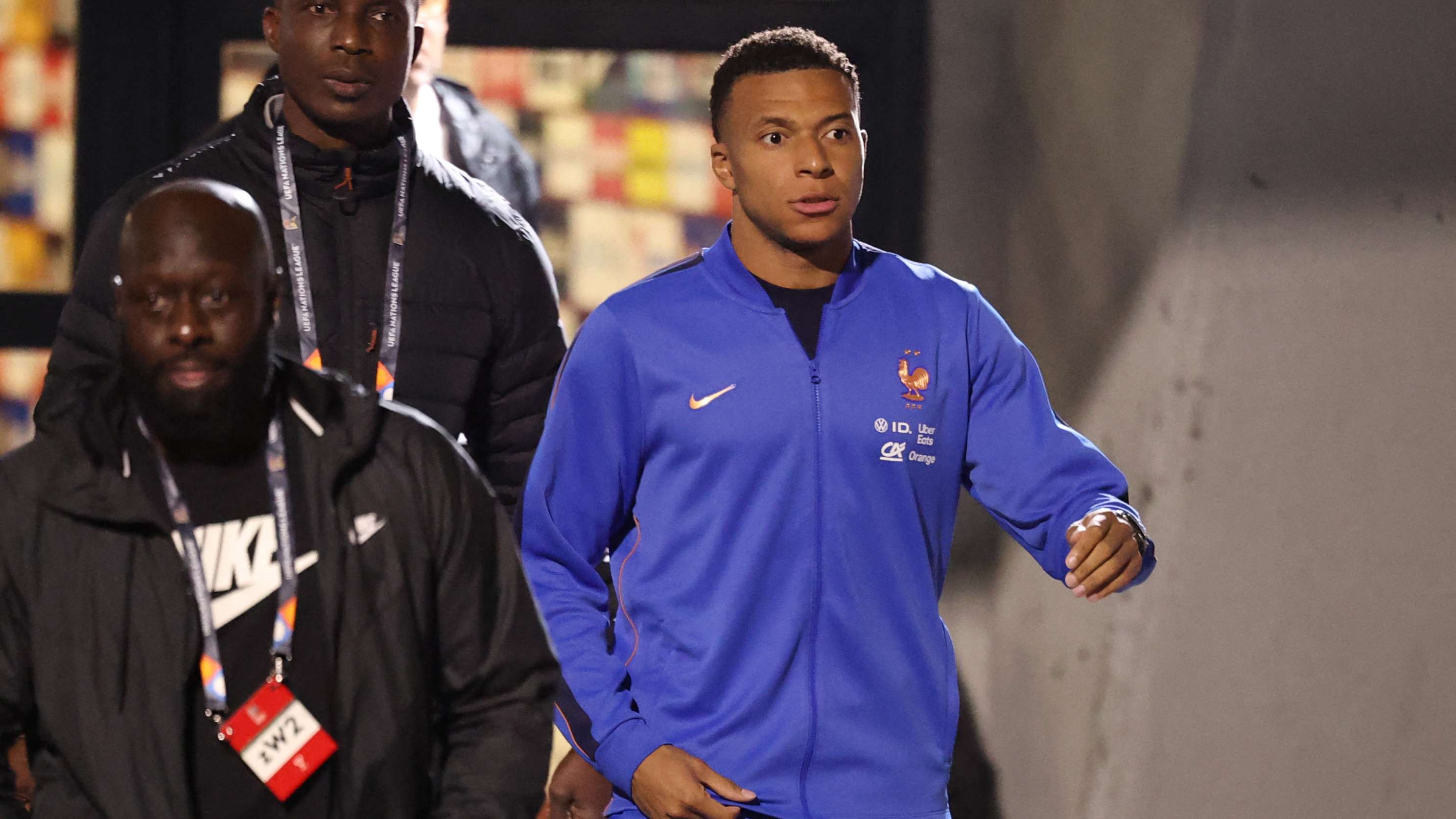
During France’s recent international fixture against Turkey, Kylian Mbappe made headlines—not for his decisive goal, but for the unfortunate knee injury he sustained moments after celebrating his score. The incident occurred on his debut wearing new boots supplied by On, a relatively young Swiss sportswear company that has quickly gained recognition for innovative running shoes and sports apparel. The injury cast a shadow over the match, which France narrowly won 1-0, and left fans and experts questioning whether this injury could have been foreseen or even prevented.
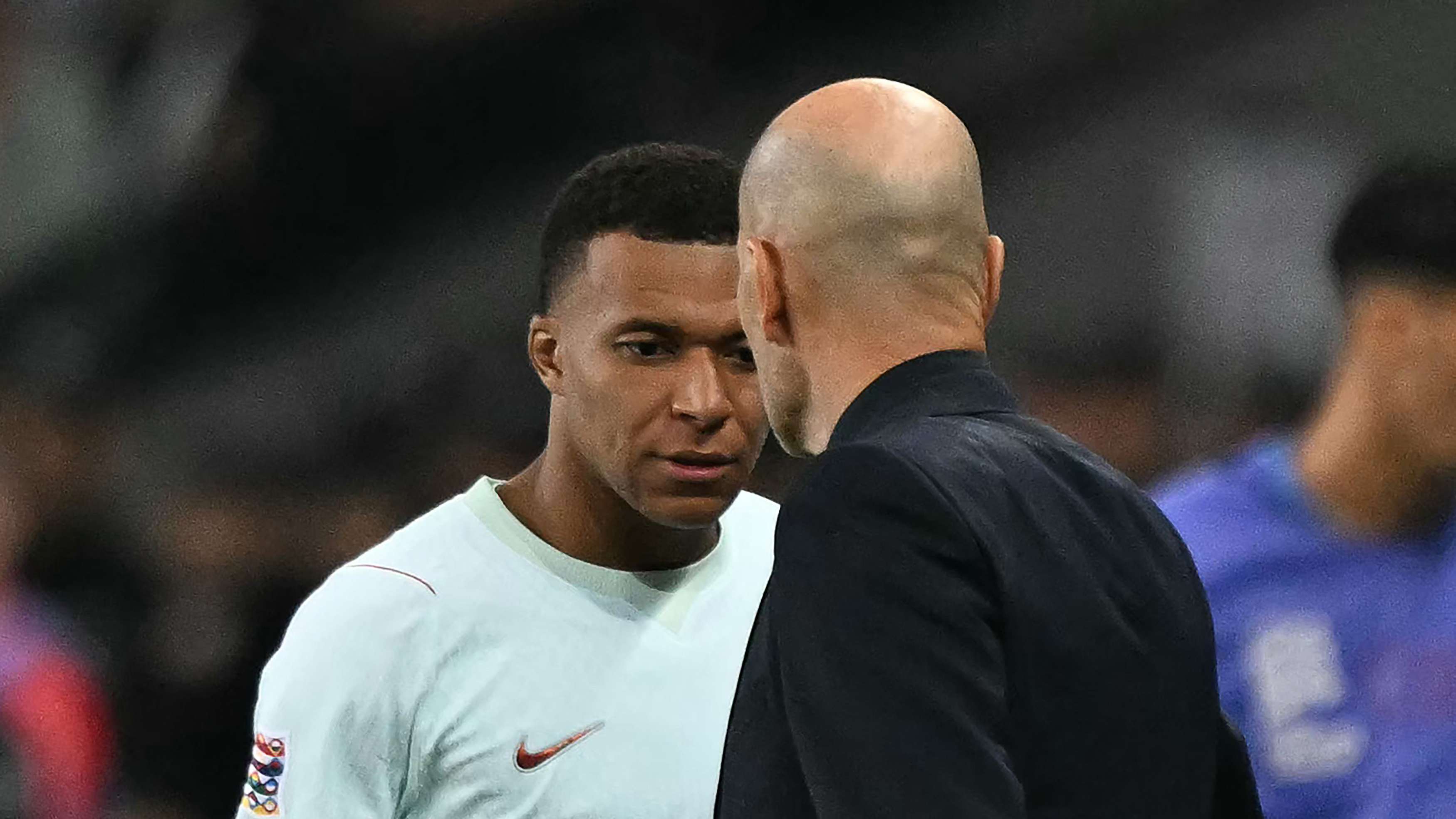
Initial reports from the French Football Federation indicated a tendon injury that would require Mbappe to return to Madrid for treatment, with France coach Zinedine Zidane expressing concern about the prognosis. The injury has sparked an urgent debate about athlete safety, footwear design, and the potential influence of equipment on injury risk.
Expert Warning: A Precursor to Disaster?
Adding fuel to the speculation was the warning issued by Spanish physiotherapist Angel Villanueva, who had voiced concerns about injury risks associated with footwear changes well before the incident. Eight days prior to Mbappe’s injury, Villanueva suggested that switching kit suppliers could alter biomechanics—specifically mentioning changes in last (the shoe’s shape), studs, stiffness, cushioning, and weight—all of which can impact how athletes move and load their joints during play.
In a detailed post on X (formerly Twitter), Villanueva explained, “Any change in footwear—be it last, studs, stiffness, cushioning, or weight—can temporarily alter biomechanics and increase the load on the feet, ankles, knees, and surrounding muscle chains. This heightened load can elevate injury risk, especially during high-intensity matches or sudden movements.” His warning underscored the importance of athletes and teams monitoring these variables, particularly when transitioning to new gear.
The Connection Between Boots and Injury: Speculation and Science
While there is no definitive evidence linking Mbappe’s injury directly to his new On boots, the timing and circumstances have reignited the debate about footwear safety in professional football. The switch from Nike—a giant in sports apparel—to On is a significant move, especially for an athlete of Mbappe’s stature. The French star signed a landmark deal with On, which included not only footwear but also a role as a global brand ambassador for the Swiss company. Such transitions, especially for high-profile players, often involve a period of adaptation that can influence injury risk.
Biomechanical research indicates that even subtle changes in footwear can impact an athlete’s gait, load distribution, and joint stability. For instance, alterations in the stiffness of the sole or the shape of the last can shift the stress away from certain areas, sometimes leading to overcompensation elsewhere, which may predispose players to injuries like tendinitis, ligament tears, or muscle strains.
Historical Context: Mbappe’s Knee Troubles and Past Injuries
Adding layers to the current controversy are reports of previous knee issues experienced by Mbappe. Last December, the forward suffered an injury that sidelined him for several matches, raising questions about whether this was a recurring problem or a new injury altogether. Some sources suggest that the French striker experienced misdiagnosis during a prior injury, with initial assessments focusing on the wrong leg or misinterpreting the severity of the damage.
In fact, rumors in Spanish and French media have pointed to a potential cruciate ligament injury during the spring season, which kept Mbappe out of action for several weeks. Despite initial setbacks and pain, the Paris Saint-Germain star managed to return to form, even participating in the Champions League knockout stages. Still, these prior issues highlight a possible pattern—one that could be exacerbated by footwear changes or insufficient recovery protocols.
The Role of Medical Expertise and the Impact of Misdiagnosis
Medical professionals have long debated the importance of accurate diagnosis and tailored recovery plans for elite athletes. In Mbappe’s case, reports suggest that there might have been a misdiagnosis involving the wrong knee during an earlier injury, which could have influenced his subsequent management and rehabilitation. Such errors underscore the critical need for comprehensive diagnostics, especially when athletes undergo equipment transitions that may alter biomechanics.
Furthermore, the narrative around Mbappe’s injury emphasizes the importance of cautious return-to-play strategies. Playing in pain or under suboptimal conditions can lead to chronic issues or more severe injuries, as some experts warn. The case of Mbappe highlights the delicate balance between pushing for peak performance and ensuring long-term athlete health.
Switching Brands: The Mbappe-On Deal and Its Implications
The recent announcement of Mbappe’s switch from Nike to On sent shockwaves through the sports industry. The move marked a significant departure after two decades of collaboration with Nike, a brand synonymous with football excellence. The deal, which positions Mbappe as a global ambassador for On, also involves Thierry Henry taking on the role of Director of Football, and the involvement of tennis legend Roger Federer as a co-owner of the company.
While such endorsements can elevate a player’s profile and open new commercial opportunities, they can also introduce unforeseen risks—particularly if the athlete is required to adapt quickly to new equipment in high-pressure matches. The transition period might involve a learning curve that could temporarily affect performance and injury risk.
What Does the Future Hold for Mbappe and Football Prediction?
As the football world assesses the potential long-term impact of Mbappe’s injury, experts and fans alike are turning to advanced prediction models to forecast his recovery timeline and performance trajectory. Football prediction algorithms, which analyze player health data, match intensity, and injury history, are becoming increasingly sophisticated. These tools aim to provide more accurate forecasts about a player’s return to peak form and the risk of re-injury.
In Mbappe’s case, the injury’s severity, previous knee issues, and recent footwear switch will all factor into predictive models. While some football prediction experts suggest a recovery period of several weeks to months, others emphasize the importance of personalized rehabilitation and ongoing medical assessments. The hope remains that Mbappe will return stronger and more resilient, but the incident underscores the importance of injury prevention strategies and equipment safety in football.
Conclusion: A Cautionary Tale in Modern Football
Kylian Mbappe’s injury serves as a stark reminder of the complex interplay between athlete health, equipment, and performance prediction in football. As the sport continues to evolve with technological advancements and innovative sponsorship deals, the importance of safeguarding players’ well-being cannot be overstated. The incident prompts teams, medical staff, and athletes to scrutinize footwear choices and prioritize injury prevention.
For fans and analysts, this episode also exemplifies how prediction models and expert warnings can play a crucial role in safeguarding careers. With Mbappe’s future now a subject of keen interest, the football community will be watching closely to see how he recovers and what lessons will be learned to make the sport safer for generations to come.