
Khvicha Kvaratskhelia’s ACL Injury Highlights Football’s Toughest Road Back
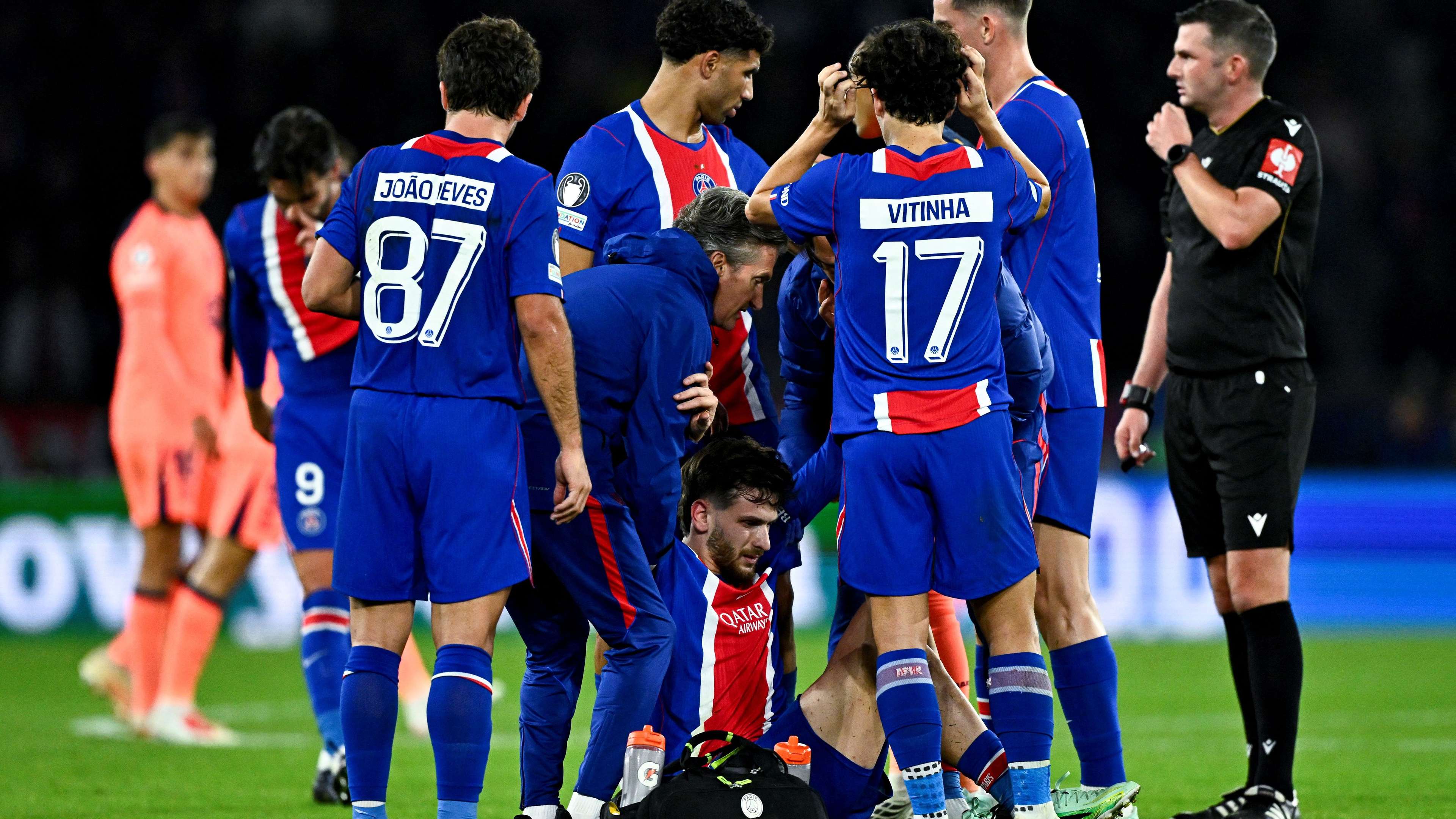
Paris Saint-Germain’s confirmation that Georgian forward Khvicha Kvaratskhelia has torn the anterior cruciate ligament (ACL) in his knee has brought one of football’s most feared injuries back into focus. For a player whose game depends on acceleration, sharp turns and sudden changes of direction, an ACL rupture can mean months away from competition and a demanding return-to-play process.
The diagnosis is a serious setback for Kvaratskhelia and PSG, but it also illustrates a wider challenge facing elite athletes. ACL injuries are not simply a matter of waiting for pain to disappear. They can affect a player’s strength, balance, confidence and ability to perform the explosive movements that define modern football. Even after surgery and rehabilitation, returning to match fitness requires careful assessment rather than a fixed timetable.
Why the ACL matters so much in football
The anterior cruciate ligament is one of the key structures inside the knee. It helps prevent the shinbone, or tibia, from sliding too far forward in relation to the thighbone. It also contributes to rotational stability, helping the knee remain controlled when the body turns, stops or changes direction.
Those actions occur constantly during a football match. Players accelerate to chase a loose ball, brake to avoid a challenge, pivot to escape a marker and land after jumping for a header. A sudden twist or awkward landing can place considerable strain on the ligament, particularly when the foot is planted and the knee rotates under the player’s weight.
ACL tears can happen after contact with another player, but many occur without a direct collision. A quick change of direction, an off-balance landing or an abrupt stop may be enough to cause damage. The injury can therefore strike during an ordinary-looking football movement, making prevention and physical preparation important parts of player care.
Surgery is often followed by months of rehabilitation
For professional footballers hoping to return to the demands of elite competition, surgery is commonly part of the treatment plan. In a reconstruction procedure, surgeons typically use a graft—often taken from one of the patient’s tendons—to replace the damaged ligament. The operation is only the first stage of recovery, however. Rebuilding the knee’s capacity for football takes time and sustained rehabilitation.
Early rehabilitation generally focuses on reducing swelling, restoring the knee’s range of motion and helping the player regain control of the leg. As recovery progresses, the programme can develop to include strength work, balance exercises, running and sport-specific drills. Later stages may involve sprinting, jumping and controlled changes of direction before a player is considered for full team training.
A typical recovery estimate after ACL reconstruction is around nine to 12 months, although the precise timeline varies. The type and severity of the injury, the player’s physical condition, progress through rehabilitation and response to training can all influence the return date. A calendar estimate cannot replace medical testing and individual assessment.
Training again does not automatically mean match-ready
Players may resume some form of training before they are cleared to compete. That distinction matters: controlled exercises and team sessions do not necessarily reproduce the speed, unpredictability and physical pressure of a competitive match. A returning footballer must be able to accelerate, stop, turn and react without hesitation, while also tolerating repeated high-intensity efforts.
Medical and performance staff may assess strength, movement quality and confidence alongside the knee’s stability. The aim is not simply to get a player back on the pitch as quickly as possible, but to ensure that the knee can cope with the demands of elite football. Rushing that process could expose the athlete to further injury or undermine the progress made during rehabilitation.
Re-injury remains a concern after an ACL tear
Recovery does not eliminate the possibility of another rupture. According to the French newspaper L’Équipe, around 15% of athletes who undergo surgery for an ACL injury experience a further tear, either involving the reconstructed graft or the ACL in the opposite knee.
The risk is reported to be highest among athletes younger than 25, particularly in sports involving frequent jumping, rotation and abrupt changes of direction. Football includes all of those movements, which is why a successful return is measured not only by whether a player can appear in a match, but also by whether he can sustain performance without compromising his long-term health.
That risk does not mean a player is destined to suffer another injury. It does underline why rehabilitation, strength development and a gradual increase in workload remain essential after clearance. Clubs also have to balance the pressure to restore a key player with the need to protect him through a carefully managed comeback.
What Kvaratskhelia’s injury means for PSG
Kvaratskhelia’s absence is a sporting concern for PSG, given the qualities he brings in attack. His ability to carry the ball, beat defenders and create opportunities relies on the same explosive movements that an ACL injury makes difficult during recovery. The club will therefore need to plan for his absence while allowing his rehabilitation to proceed at an appropriate pace.
Any prediction about the Georgian forward’s return should be treated cautiously until PSG provides further medical updates. The usual nine-to-12-month window offers a broad guide, not a guaranteed date. Progress through rehabilitation, medical assessments and the player’s response to football-specific training will provide a clearer indication of when he can compete again.
For supporters, the news is a reminder that an ACL injury can reshape a season and test an athlete’s patience as much as his physical resilience. For players and clubs, it reinforces the importance of prevention, careful diagnosis and a structured return-to-play plan. Kvaratskhelia now faces a long road back, with the priority being not simply a quick return to football, but a strong and sustainable one.