
Greek Football Incident Sparks Apology and Reflection on Player Safety
Understanding the Context of the Match
In a highly anticipated clash within the Greek Super League, the fixture between Volos and their opponents took an unexpected turn that has captured the attention of football fans worldwide. The match, played on Saturday, was a tense battle between two competitive squads vying for crucial league points. However, the focus shifted from on-field tactics and predictions to a serious injury that has cast a shadow over the game and reignited discussions about player safety in football.
The Incident: A Collision with Serious Consequences
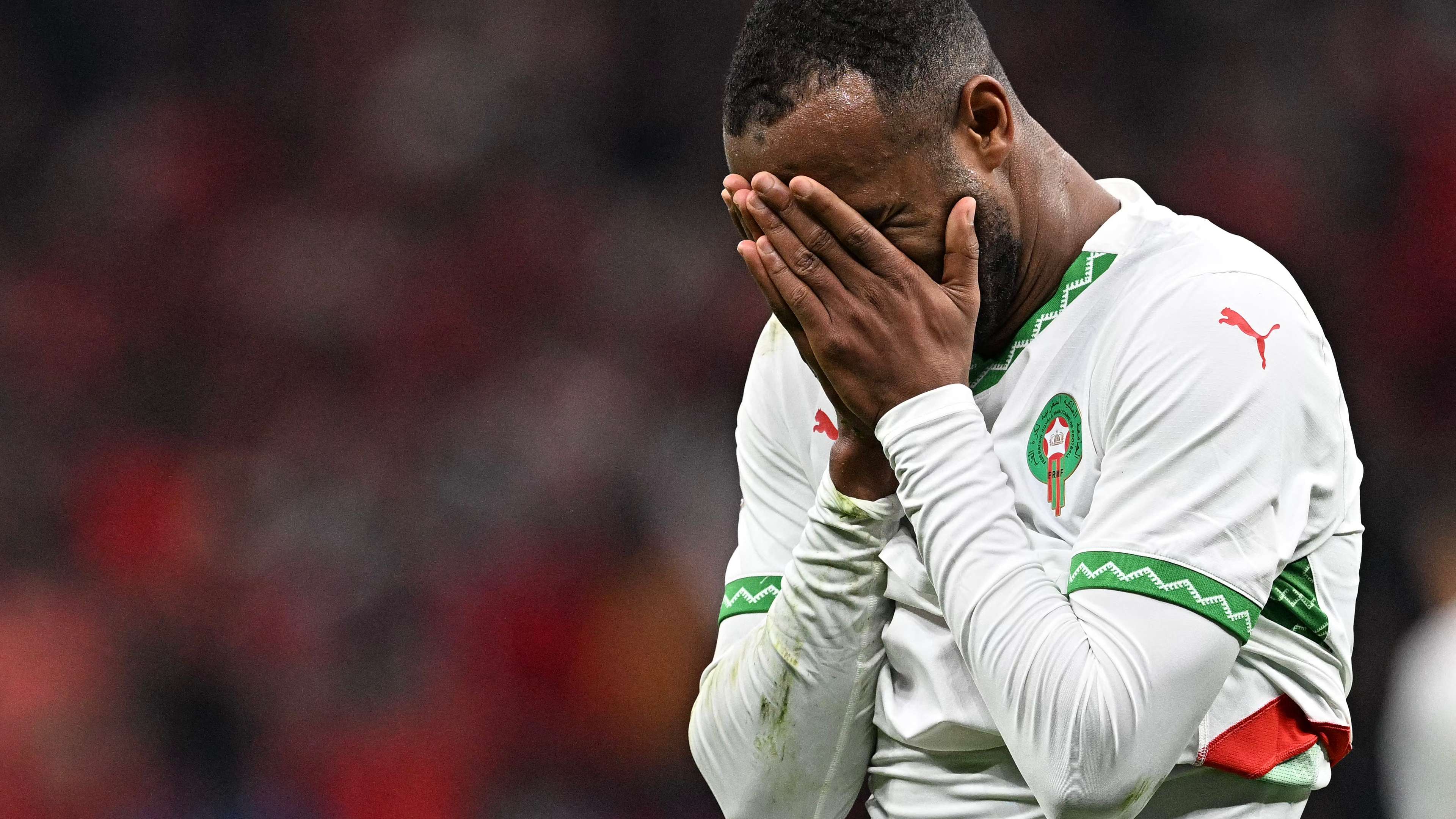
During the 43rd minute of the match, a pivotal attacking move unfolded when Moroccan striker Ayoub El Kaabi found himself in a promising position near the goal. In the midst of the scramble, Greek goalkeeper Marius Siabanis charged out to intercept the ball. What was intended as a routine challenge quickly turned tragic when Siabanis collided with El Kaabi, leading to a severe injury for the Moroccan forward.
El Kaabi collapsed to the turf in agony, clutching his leg as pain radiated through his body. Medical personnel rushed onto the pitch to provide emergency treatment, and subsequent assessments confirmed that the injury was serious—specifically, a fracture that could sideline the player for weeks or even months. The incident not only disrupted the flow of the game but also raised serious questions about the risks players face in high-stakes football matches.
Player Reactions and The Power of Sportsmanship
In the aftermath of the match, social media became a platform for solidarity and remorse. Marius Siabanis, the goalkeeper involved in the collision, quickly expressed his heartfelt regret and concern for El Kaabi’s well-being. Demonstrating sportsmanship and humility, Siabanis took to his Instagram story to issue an apology, emphasizing that the incident was unintentional and that he never meant to cause harm.
Official Statements and the Importance of Player Welfare
According to reports from the Moroccan sports website Al Batola, Siabanis’s message read: “I am so sorry for what happened today, Ayoub. I had no intention of hurting you, and it was extremely painful to see you in such pain. My thoughts are with you. I wish you strength, a full recovery, and a return to the pitch as soon as you are ready.” This sincere message underscores the importance of empathy and responsibility in football, where physical confrontations can sometimes lead to unintended injuries.
Broader Implications for Football Safety and Prediction Models
This incident has prompted broader discussions within the football community about player safety and the protocols in place to prevent such injuries. While accidents are an inherent part of the sport, ongoing advancements in training, refereeing, and protective gear aim to minimize risks. The incident also raises questions about how predictive analytics and injury prevention models can be better integrated into training regimes to foresee and prevent dangerous collisions.
From a prediction standpoint, football analysts and coaches increasingly rely on data-driven insights to assess player risks during matches. Enhanced predictive models can identify situations where a collision or tackle might lead to injury, allowing teams to adjust tactics proactively. Such innovations are vital for safeguarding players and ensuring the sport remains both competitive and safe.
Impact on Football Predictions and Fans’ Expectations
In the realm of football predictions, incidents like this serve as a stark reminder of the unpredictable nature of the sport. While statistical models can forecast outcomes based on team form, player performance, and tactical trends, unforeseen events—such as injuries—add an element of unpredictability that keeps fans on edge. This particular event has also influenced betting predictions, with some bookmakers adjusting odds to reflect the potential impact of injuries on team performance.
Looking Ahead: Recovery, Resilience, and the Spirit of the Game
As Ayoub El Kaabi begins his journey towards recovery, the football community rallies around him, emphasizing the importance of player well-being over results and predictions. Such incidents reinforce the need for continuous improvements in safety standards, coaching techniques, and protective equipment.
For fans and analysts alike, this unfortunate event highlights the unpredictable and sometimes harsh realities of football. While predictions can guide expectations, they cannot fully account for the human element—where passion, risk, and resilience intertwine on every pitch.
Conclusion: A Call for Enhanced Safety and Respect in Football
The collision between Marius Siabanis and Ayoub El Kaabi has become more than just a moment in a Greek football match; it’s a catalyst for ongoing conversations about safety, sportsmanship, and the unpredictable nature of football. As the sport continues to evolve, integrating advanced prediction models and safety protocols will be crucial in protecting players and maintaining the integrity of the game.
Football, with its blend of skill, strategy, and spontaneity, remains one of the most beloved sports worldwide. Yet, incidents like this remind us that behind the passion and prediction models lies a fundamental priority: ensuring the health and safety of every player who steps onto the pitch.