
Spain’s Football Revolution: How La Roja Ascended to Global Dominance
For decades, Spanish football was often overshadowed by the dominance of other European giants like Germany, Italy, and Brazil. Until the dawn of the 21st century, Spain’s national team had a relatively modest trophy cabinet, boasting only a single European championship victory in 1964. Their best performance at the FIFA World Cup was a fourth-place finish in 1950, a feat that remained their pinnacle until the historic breakthrough in 2010. Fast forward to today, and Spain stands proudly atop the world football hierarchy, having not only secured multiple international titles but also setting new standards for player development, tactical innovation, and football excellence. So, what catalyzed this remarkable transformation? The answer lies in a comprehensive and strategic overhaul of youth development, club academies, coaching standards, and a unified national philosophy that continues to shape Spain’s football prediction models for success. In this article, we delve into the intricate journey of Spanish football’s rise, uncovering the secrets behind La Roja’s dominance and exploring what the future holds for this football powerhouse.
The Foundations of Spain’s Football Revival: Club Academies and Youth Development
The Role of La Masia in Shaping Future Stars
Central to Spain’s football renaissance is the legendary youth academy of FC Barcelona, La Masia. Established on October 20, 1979, as a residence for young talents arriving from outside Barcelona, La Masia evolved into the cradle of generations of world-class players. Today, it houses over 300 promising young athletes, with a dedicated infrastructure that fosters both athletic and academic growth. The club’s strategic investment in La Masia—reportedly around 30 million euros annually as of 2015—underscores its commitment to nurturing homegrown talent. Notably, approximately 50% of Barcelona’s players aged 18 and 19 are engaged in university studies, demonstrating a holistic approach to player development that balances education with athletic excellence.
Beyond Barcelona: A National Network of Elite Academies
Barcelona’s success inspired a broader national effort. Clubs like Real Madrid, Athletic Bilbao, Villarreal, Valencia, and Sevilla established their own robust youth programs, collectively creating a rich ecosystem for talent cultivation. The distinguishing factor among these academies is their emphasis on tactical intelligence and technical skills over mere physical prowess. This approach has produced legendary players such as Xavi Hernandez, Andres Iniesta, and Sergio Busquets—players who might have been overlooked in traditional scouting but thrived due to their exceptional football IQ and technical mastery.
The Rise of Spain’s Youth National Teams and a Unified Playing Philosophy
Consistent Success at Youth Levels
Spain’s commitment to a cohesive development philosophy extended from club academies to national teams. The Spanish Football Federation (RFEF) adopted a centralized approach, aligning the training and tactical principles across all youth levels. This consistency translated into unparalleled success in European competitions, with the Under-19 team capturing titles in 2002, 2004, 2006, and 2007, and the Under-21 squad securing five European championships, including back-to-back wins in 2011 and 2013. These achievements underscored the strength of Spain’s youth pipeline and provided a dependable prediction of future senior team success.
The “City of Football” and Accessibility of Coaching Resources
Further strengthening this system was the establishment of the “City of Football” in Las Rozas in 2003, a state-of-the-art complex with a budget of nearly 46 million euros. It serves as the hub for all national team training camps, fostering a culture of excellence and consistency. Additionally, Spain’s relatively affordable and accessible coaching licenses—costing just 960 pounds sterling for the “A” license compared to over 3,600 in England—enabled a larger pool of qualified coaches. This democratization of coaching education ensured that talented young players received professional guidance from an early age, contributing to Spain’s football prediction models favoring long-term talent development.
The Impact of a Systematic Development Path on the Senior National Team
A Golden Generation and Its Legacy
The fruits of this meticulous development system became evident during major international tournaments. The 2008 European Championship victory was a turning point, with 20 of the 23 players in the winning squad having progressed through Spain’s youth teams. The 2010 World Cup in South Africa marked Spain’s first global triumph, with seven FC Barcelona players starting in the final, and Barcelona’s players netting all of Spain’s goals during the tournament. This generation, led by stars like Xavi, Iniesta, and David Villa, cemented Spain’s reputation as a football powerhouse.
Continuity and Evolution: The Post-Xavi and Iniesta Era
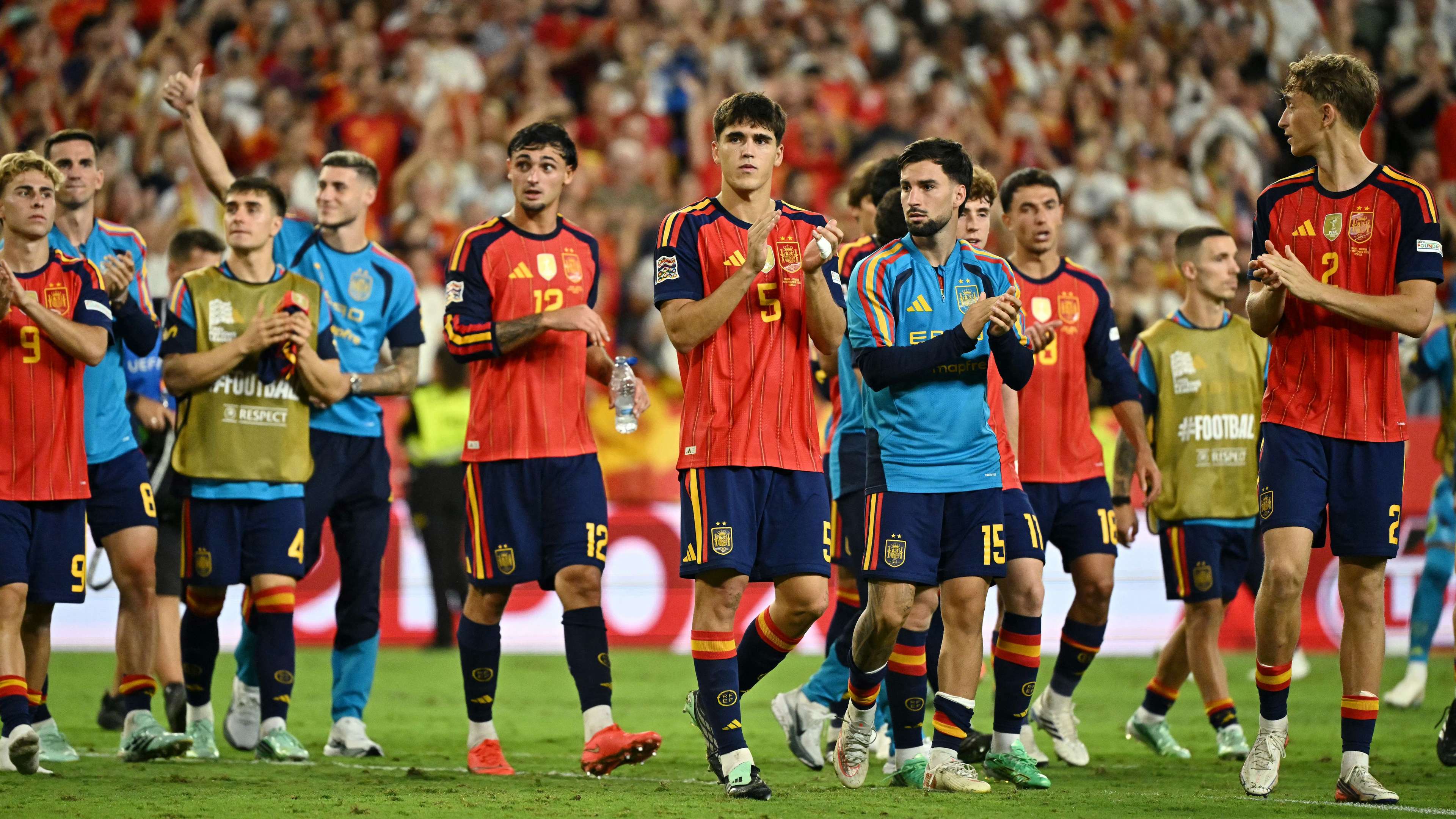
What sets Spain apart is their ability to sustain success beyond their legendary midfield maestros. Under coach Luis de la Fuente, who rose through the ranks of youth coaching, Spain continued to dominate—culminating in their latest triumph at UEFA Euro 2024. Led by a philosophy rooted in tactical discipline and technical excellence, the team won its fourth European title, further validating the effectiveness of Spain’s integrated development system. Notably, de la Fuente’s leadership made him the oldest coach to win the World Cup at 65 years old, guiding Spain to victory at the 2026 World Cup with a dramatic 1-0 win over Argentina.
Understanding Spain’s Football Prediction for Future Success
Strategic Investment in Youth and Coaching
Spain’s model demonstrates that a consistent, philosophy-driven approach to youth development and coaching can predict sustained success. The country’s emphasis on tactical intelligence, technical skill, and education has created a pipeline of players who are not just physically gifted but also tactically astute—key elements in modern football prediction models for success. The comprehensive infrastructure, such as the “City of Football,” and the accessible coaching licenses ensure that talent development is inclusive and far-reaching.
Comparison with Other Football Powers
While nations like Germany, Italy, and Brazil have long been football superpowers, their recent performances reveal vulnerabilities or a need for systemic reform. Germany’s solitary 2014 World Cup win and Italy’s rare recent titles highlight the challenge of maintaining dominance. In contrast, Spain’s integrated system—spanning club academies, national teams, and coaching standards—has created a stable environment conducive to continuous success. They are now the first nation to simultaneously hold both men’s and women’s World Cup titles and to have won the World Cup more than once in the 21st century, setting a benchmark for global football prediction models.
The Future of Spanish Football: Predictions and Insights
Looking ahead, Spain’s football prediction remains optimistic. Their systematic approach to player development, combined with innovative coaching and tactical evolution, suggests that La Roja will continue to be a dominant force on the international stage. The focus on nurturing versatile, tactically intelligent players aligns well with the demands of modern football, where adaptability and technical prowess are paramount.
Moreover, the ongoing investment in youth infrastructure and coaching education ensures a steady stream of talent. As the current generation of stars ages, the pipeline cultivated through Spain’s comprehensive system promises the emergence of the next wave of football giants. This strategic blueprint not only secures future success but also offers a model for other nations aspiring to elevate their football prediction capabilities.
Conclusion: Spain’s Enduring Football Legacy
Spain’s evolution from a modest football nation to a global powerhouse exemplifies the power of strategic planning, investment, and a unified playing philosophy. Their success story is a testament to how systemic development—centered around youth academies, coaching standards, and national team cohesion—can produce sustained excellence. As they continue to set the standard in football prediction and success, Spain’s football story serves as an inspiring blueprint for aspiring football nations worldwide.