
Transfer Rumors and Strategic Moves: A Deep Dive into Todd Boehly’s Ambitious Plans at Chelsea
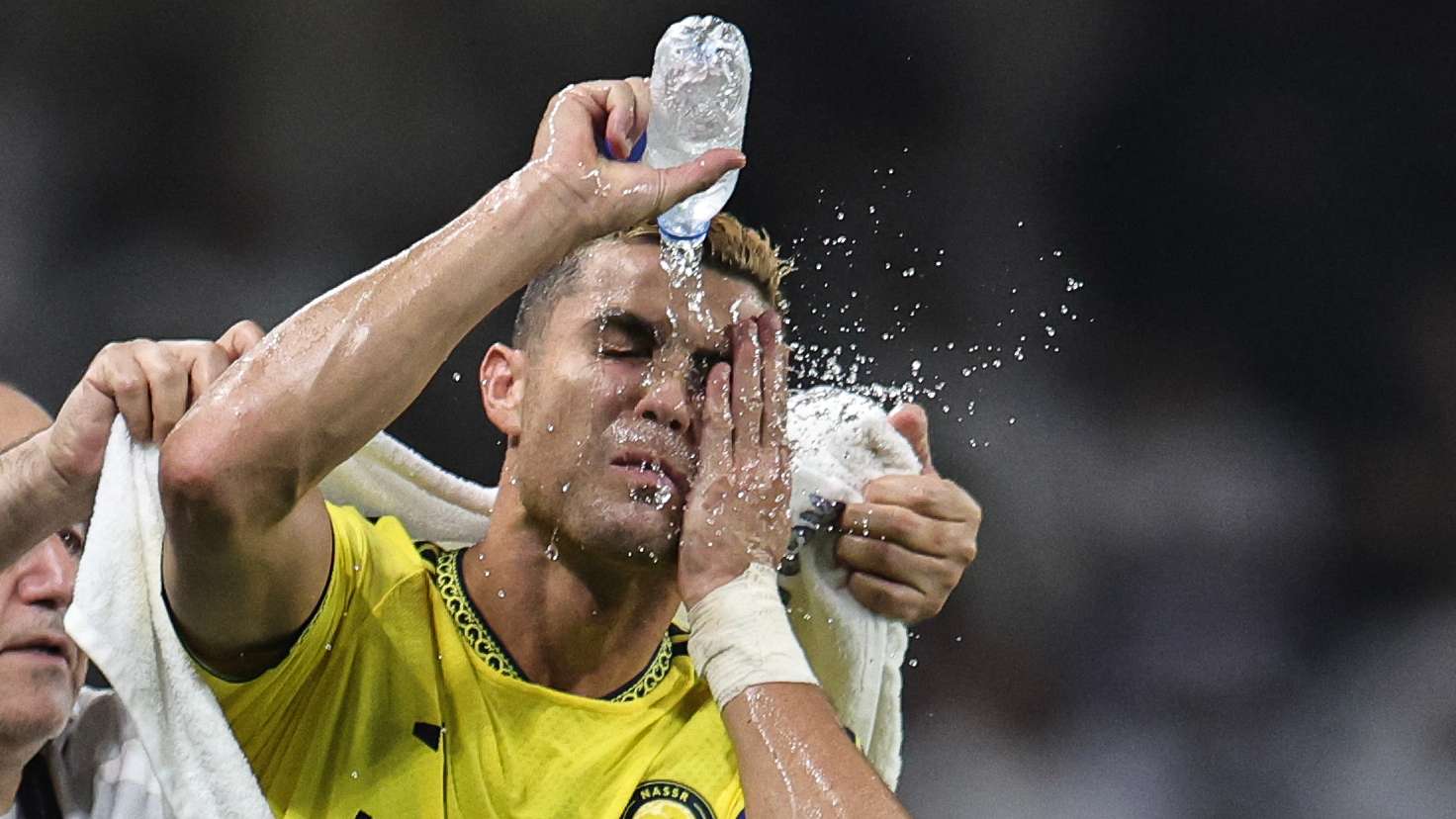
Since taking over Chelsea Football Club, American businessman Todd Boehly has been at the forefront of high-profile transfer activities, aiming to reshape the Blues into a competitive powerhouse in European football. His tenure has been marked by bold moves, ambitious predictions, and moments of controversy, all reflective of his desire to leave a lasting legacy at Stamford Bridge. Among the most intriguing episodes in Boehly’s transfer saga was his audacious attempt to bring Portuguese superstar Cristiano Ronaldo to Chelsea during the striker’s second spell at Manchester United. This move, which ultimately did not materialize, provides fascinating insight into Boehly’s transfer prediction strategies, his ambitions, and the complex dynamics of football negotiations.
The Cristiano Ronaldo Transfer Attempt: A Bold Prediction in the Making
Background: Ronaldo’s Turbulent Second Stint at Manchester United
Cristiano Ronaldo’s return to Manchester United in 2021 was highly celebrated by fans eager to see their icon back at Old Trafford. However, the reunion was fraught with challenges. Ronaldo, a player renowned for his relentless drive and winning mentality, found himself increasingly unsettled during his second spell at United. Reports of internal discord, lack of team progression, and disagreements with management began to surface, casting doubts over his future at the club.
Boehly’s Strategic Approach: Meeting with Jorge Mendes
According to sources from The Athletic, Todd Boehly’s interest in signing Ronaldo was not a casual flirtation but a calculated move driven by a desire to predict and shape transfer markets. During this period, Boehly engaged in negotiations with Jorge Mendes, one of football’s most influential agents, who represents Ronaldo among many other top players. The Chelsea owner traveled to Portugal to meet Mendes personally, signaling his serious intent and readiness to explore a transfer that could transform Chelsea’s attacking options.
Why Was Boehly Keen on Ronaldo?
Boehly’s prediction was rooted in the belief that bringing a player of Ronaldo’s stature could immediately elevate Chelsea’s global profile and on-field performance. Ronaldo’s proven goal-scoring record, leadership qualities, and marketability made him an attractive target for a club seeking to re-establish itself at the top of European football. Moreover, Boehly was reportedly optimistic about the potential of leveraging Ronaldo’s experience to inspire younger players and accelerate the club’s competitive resurgence.
Internal Resistance and Managerial Opposition
Thomas Tuchel’s Firm Stand
Despite Boehly’s enthusiasm, his transfer prediction faced significant hurdles. Chelsea’s then-manager, Thomas Tuchel, expressed clear opposition to signing Ronaldo. Tuchel, a tactician known for his pragmatic approach, believed that Ronaldo’s style of play might not integrate seamlessly with Chelsea’s tactical framework. Additionally, the manager was wary of disrupting team chemistry and was cautious about signing a player whose influence might overshadow existing squad dynamics.
Failed Negotiations and Transfer Speculation
The clash between Boehly’s ambitions and Tuchel’s strategic reservations underscored the complexities of transfer predictions. The club’s leadership was eager to make a splash, but internal disagreements and the high financial and logistical costs involved in acquiring Ronaldo ultimately prevented the transfer from happening. The episode highlights how transfer predictions are often influenced by a multitude of factors—managerial philosophy, club culture, financial considerations, and player compatibility.
Other Notable Transfer Movements at Chelsea
Striking Success with Raheem Sterling
While the Ronaldo saga was ultimately shelved, Boehly’s proactive approach bore fruit in other areas. Notably, he personally led negotiations to sign Raheem Sterling from Manchester City in a deal worth approximately 47.5 million pounds sterling. Sterling’s arrival was seen as a strategic move to bolster Chelsea’s attacking options and bring in a player with proven Premier League pedigree and international experience.
Reflecting on Transfer Strategies
In a candid interview last February, Boehly admitted that his transfer strategy lacked scientific rigor, acknowledging the unpredictability inherent in football transfers. “I found myself stuck in the interim sporting director role over the summer, without knowing what makes a footballer good,” he confessed. His approach was often driven more by intuition and immediate needs rather than detailed analytics or long-term prediction models. Nonetheless, Boehly’s willingness to take risks and make bold predictions has defined his tenure at Chelsea.
The Broader Context: Transfer Prediction and Future Outlook
Understanding Transfer Prediction in Modern Football
Transfer prediction involves analyzing a vast array of data points—player performance metrics, team needs, market trends, and managerial philosophies. Boehly’s case exemplifies how club owners and sporting directors often rely on intuition and high-profile negotiations to shape their transfer strategies. While some rely heavily on data analytics, others like Boehly favor a more hands-on approach, trusting their instincts and industry connections.
The Impact of Transfer Predictions on Club Success
Successful transfer prediction can be transformative, turning a club’s fortunes around by acquiring the right players at the right time. Conversely, miscalculations can lead to financial strain and underperformance. Boehly’s experience at Chelsea underscores the importance of balancing bold predictions with strategic planning, managerial alignment, and thorough scouting.
Looking Ahead: What Next for Chelsea?
As Chelsea continues to evolve under Boehly’s ownership, the club remains ambitious in its transfer prediction and recruitment strategies. The failed Ronaldo bid serves as a reminder of the complexities involved, but also highlights the willingness of the club to aim high. Future transfer windows are likely to see more calculated predictions, with a focus on integrating emerging talents and experienced internationals to build a sustainable, competitive squad.
Community Engagement and Fan Expectations
Fans and football enthusiasts can follow ongoing transfer prediction rumors and updates through dedicated forums such as Kooora. Engaging in discussions about transfer strategies, player predictions, and club ambitions offers a deeper understanding of the sport’s dynamic landscape and the intricacies behind each signing decision.
Conclusion: The Art and Science of Transfer Prediction
Todd Boehly’s attempt to sign Cristiano Ronaldo exemplifies the daring nature of modern football management, where prediction, ambition, and strategic negotiation intersect. While not every prediction turns into reality, these efforts reflect a broader vision of transforming Chelsea into a top-tier European club. As transfer prediction continues to evolve with advancements in analytics and scouting, Boehly’s bold approach provides a compelling case study in balancing intuition with data-driven decision-making in the high-stakes world of football transfers.