
Al-Nassr’s Absence from Saudi League General Assembly Sparks Controversy and Raises Questions About Football Governance
In a move that has sent ripples through the Saudi football community, Al-Nassr Football Club’s decision to abstain from participating in the recent general assembly of the Saudi League has ignited widespread debate about transparency, governance, and the future direction of professional football in the Kingdom. This unprecedented absence, particularly given the significance of the meeting, underscores underlying tensions within the league and highlights the evolving landscape of football administration in Saudi Arabia.
Background: The Significance of the Saudi League General Assembly
The Saudi League, also known as the Roshn League due to sponsorship agreements, is the pinnacle of professional football in the Kingdom. Its general assembly serves as the primary forum for club representatives, league officials, and stakeholders to discuss critical issues, approve amendments, and set strategic priorities for the upcoming seasons. These meetings usually occur annually or bi-annually and are integral to maintaining the league’s integrity, transparency, and competitiveness.
On Tuesday afternoon, the league convened for its first general assembly session in over two years—a period marked by significant developments in Saudi football, including increased investments, high-profile player transfers, and ambitious plans for league expansion and modernization. The agenda included discussions on governance reforms, club licensing criteria, and the appointment process for league officials, all of which are vital for ensuring a fair and competitive environment.
Al-Nassr’s Unprecedented Absence and Its Implications
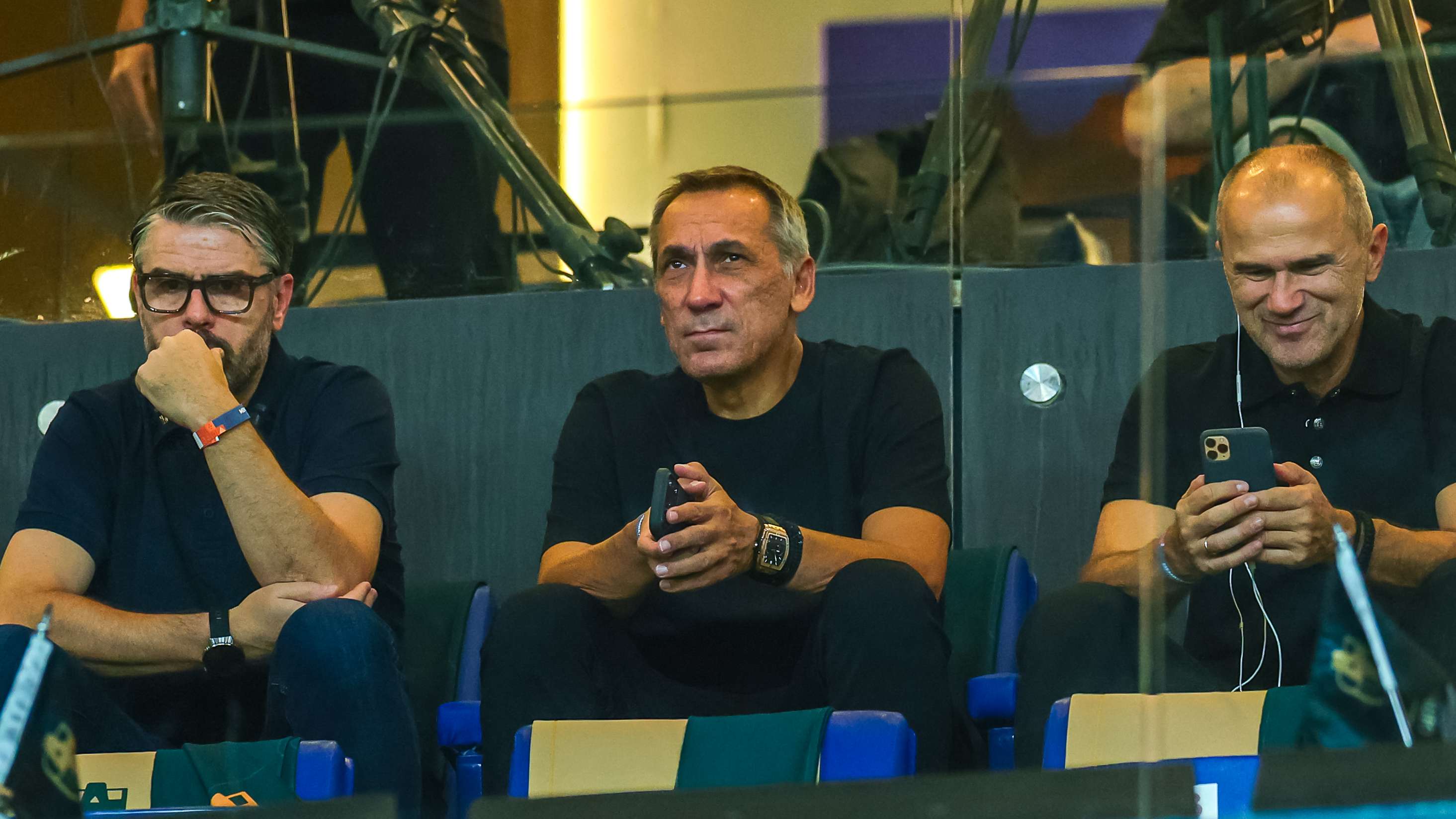
Despite the importance of this assembly, Al-Nassr Football Club, one of the most prominent and successful teams in Saudi Arabia, notably did not participate in the voting process. According to reports from Asharq Al-Awsat, the club’s leadership—comprising both the chairman and the chief executive—opted to stay away from the meeting. The sole representative present was media officer Saeed Abu Dahesh, who, under league regulations, was ineligible to cast a vote. This absence has raised eyebrows across the football community, prompting questions about Al-Nassr’s motivations and its stance on league governance.
The reasons behind such a decision remain speculative. Some insiders suggest that internal disagreements or dissatisfaction with recent league reforms may have influenced Al-Nassr’s decision. Others interpret it as a strategic move aimed at signaling discontent or seeking leverage in future negotiations. Regardless, the club’s refusal to participate in the decision-making process has stirred controversy, especially given the club’s influential position within Saudi football.
League Decisions and Key Amendments Discussed
During the assembly, clubs debated and voted on several significant proposals aimed at shaping the future of Saudi football. One of the most noteworthy decisions was the adoption of a new criterion for selecting the Saudi League president. The revised rule removed the previous requirement that candidates possess at least five years of experience, opening the door for a broader pool of potential leaders. This move is seen as an effort to diversify leadership and bring fresh perspectives to the league’s governance.
Additionally, the assembly addressed other critical issues, including updates to club licensing standards, financial fair play regulations, and measures to enhance the league’s competitiveness on both regional and international levels. The inclusion of these reforms aligns with Saudi Arabia’s broader vision for sports development, as part of the Kingdom’s Vision 2030 initiative, which aims to position Saudi football as a global powerhouse.
Context: The Resumption After a Two-Year Gap
The recent assembly marked the first gathering of Saudi football stakeholders since September 2024, breaking a hiatus that lasted more than two years. During this period, Saudi football experienced rapid growth and transformation, fueled by significant investments from public and private sectors, including the Saudi Public Investment Fund’s (PIF) acquisition of prominent clubs and the signing of high-profile international players. The assembly’s timing underscores its importance as a platform to recalibrate and set strategic priorities amid these exciting developments.
Expert Analysis: What Does Al-Nassr’s Absence Mean for Saudi Football?
Football analysts and industry insiders have weighed in on the implications of Al-Nassr’s decision. Some suggest that the club’s absence could be a protest against recent governance reforms, which they perceive as insufficient or lacking transparency. Others believe it signals a broader challenge to the league’s authority, potentially influencing future decision-making processes and the league’s credibility among fans and stakeholders.
“Participation in such assemblies is crucial for shaping the future of football in Saudi Arabia,” said Dr. Mohammed Al-Hassan, a sports governance expert. “Al-Nassr’s absence raises questions about the unity and transparency of league management. It’s essential for clubs to collaborate constructively to ensure the league continues to grow and attract international attention.”
Looking Ahead: The Future of Saudi Football and Predictions
The controversy surrounding Al-Nassr’s absence is likely to spark ongoing discussions about governance reforms, club participation, and the overall direction of Saudi football. Stakeholders are calling for increased transparency and more inclusive decision-making processes to prevent similar issues in the future.
As Saudi football continues its meteoric rise, analysts are also making predictions regarding the league’s competitive landscape. With the recent influx of international talent and strategic reforms, the league is poised to become more competitive and appealing to global audiences. However, maintaining stability and fostering unity among clubs, especially influential ones like Al-Nassr, will be critical.
In terms of predictions, many experts believe that the league’s next few seasons could see an uptick in quality and viewership, provided that governance issues are resolved and clubs work collaboratively. The upcoming matches, including highly anticipated fixtures involving Al-Hilal, Al-Ittihad, and Al-Ahli, will serve as benchmarks for the league’s growth and competitive strength.
Upcoming Matches and Key Fixtures
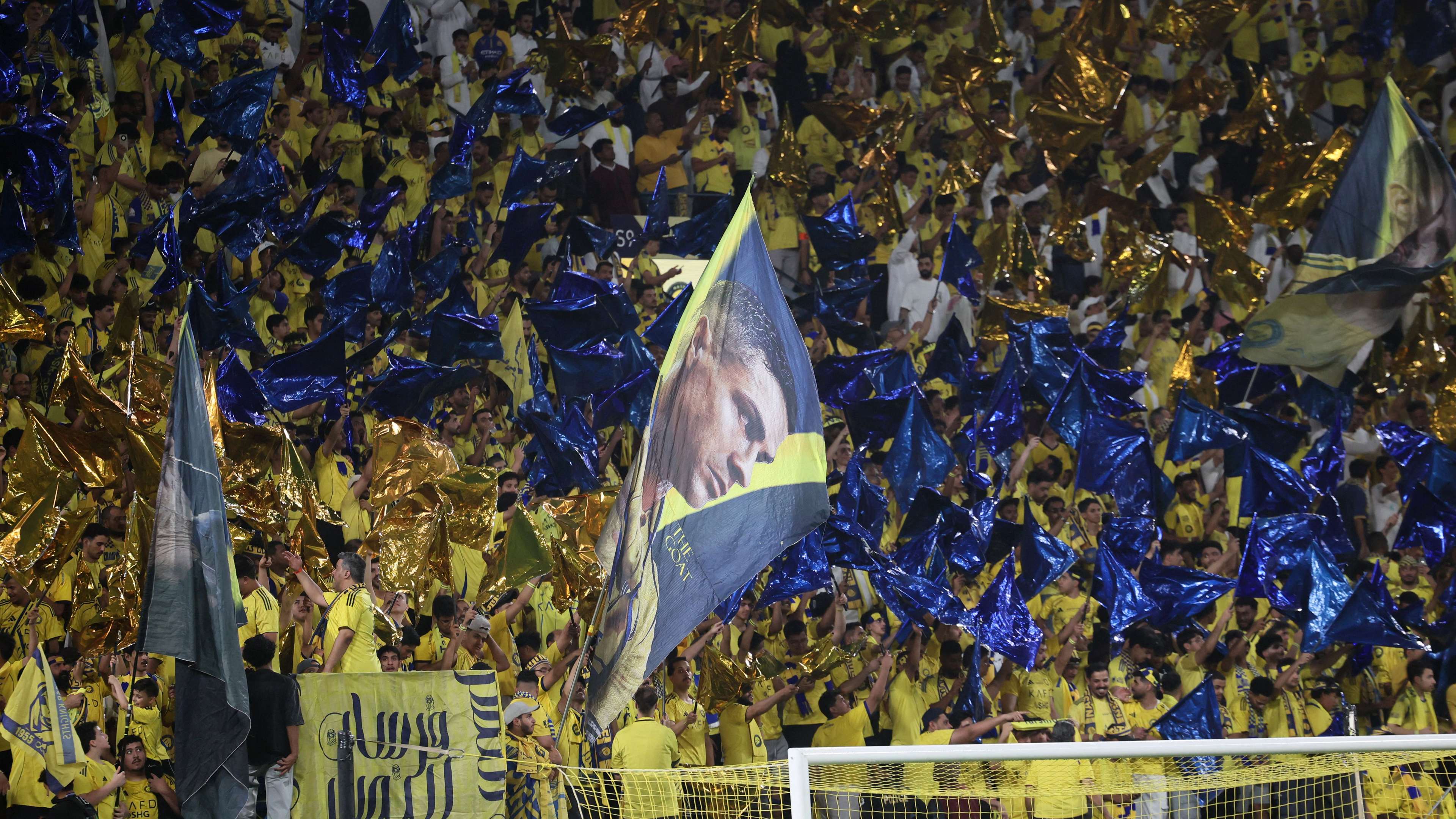
Looking ahead, fans are eager for the next batch of fixtures. Notable matches include the Al-Nassr vs. Al-Ittihad encounter scheduled for October 10, a fixture that promises intense competition and high stakes. The match kicks off at 20:00 local time and is expected to draw a large crowd, reflecting the increasing popularity of football in Saudi Arabia.
Other crucial fixtures involve top-tier clubs like Al-Hilal and Al-Ahli, with their performances expected to influence league standings and title races. These matches will also serve as a barometer for the league’s overall quality and competitiveness, especially amid ongoing governance debates.
Conclusion: A Turning Point for Saudi Football?
The decision by Al-Nassr to abstain from the Saudi League general assembly marks a significant moment in the history of Saudi football. While it has sparked controversy, it also highlights the need for continued reforms, increased transparency, and stronger collaboration among clubs and league authorities. As the Kingdom pushes forward with its ambitious sports development plans, the coming months will be critical in shaping the future of football in Saudi Arabia.
For fans and stakeholders alike, this episode underscores the importance of unity and strategic vision in ensuring that Saudi football not only competes at the highest levels but also remains a source of national pride and international recognition. The league’s evolution will undoubtedly influence predictions and expectations for the upcoming seasons, making it an exciting time for football enthusiasts in the region.