
Shocking Turn of Events: Sofyan Amrabat Temporarily Withdraws from Moroccan National Team Amid Managerial Dispute
In a move that has sent shockwaves through the world of football and left fans, teammates, and pundits alike questioning the future of the Moroccan national team, Sofyan Amrabat, one of Morocco’s most influential and beloved stars, has announced his temporary withdrawal from international duty. This decision comes at a critical juncture for the Atlas Lions, who are preparing for upcoming qualifiers for the 2027 Africa Cup of Nations (AFCON).
An Emotional Statement Sparks Debate and Concern
On Tuesday, Amrabat took to his official Instagram account to share a heartfelt message, revealing his decision to step back from representing Morocco in international football. The Ajax Amsterdam midfielder expressed deep respect and love for his country, describing wearing the national jersey as the “greatest honor” of his footballing career. He recounted that his first call-up to the national team occurred over a decade ago, and since then, he has dedicated himself fully to serving the Moroccan flag with pride and dignity.
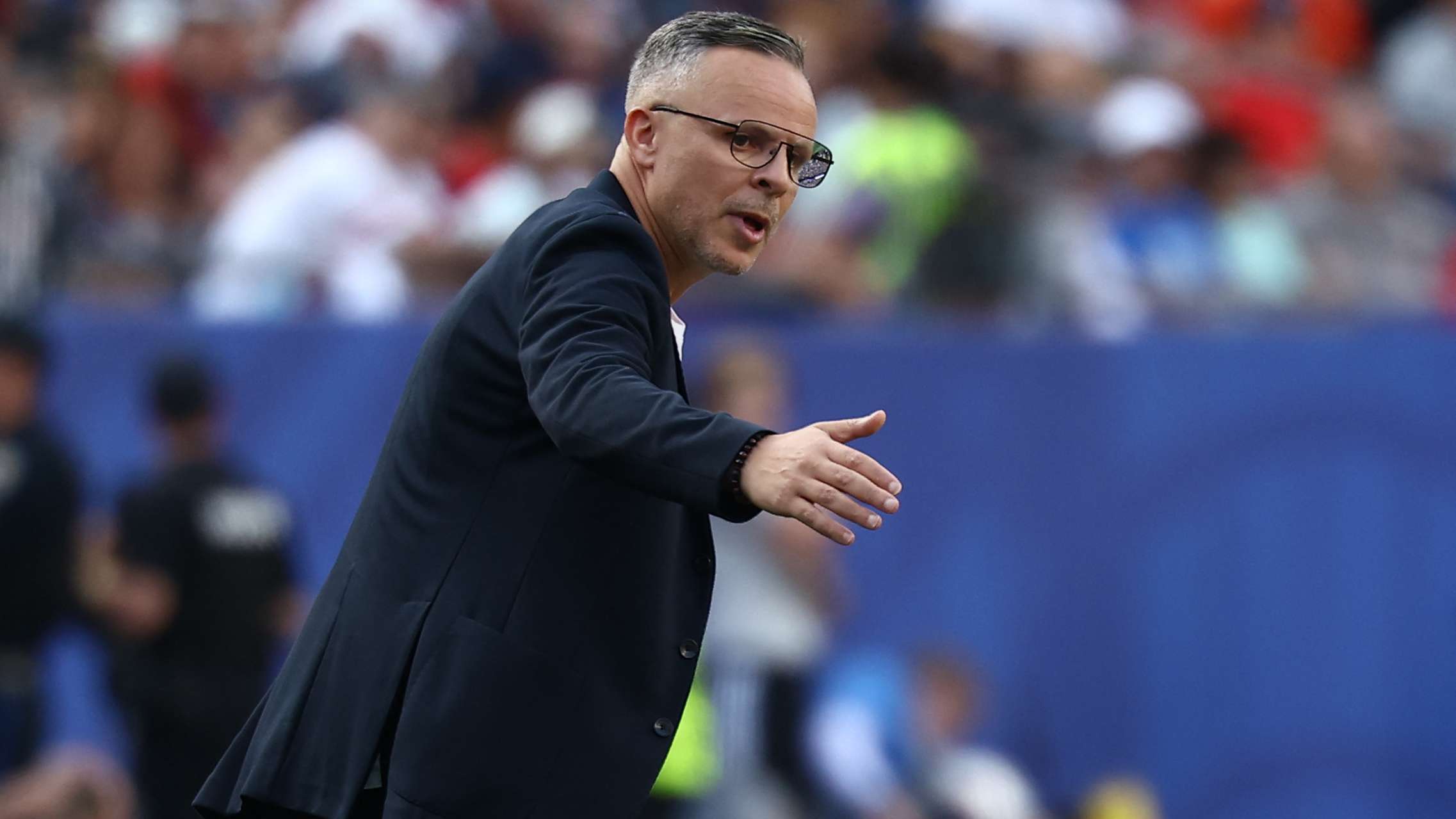
Amrabat’s message was candid and emotionally charged. He explained that his decision was rooted in his dissatisfaction with the current leadership of the national team, specifically citing the managerial situation under head coach Mohamed Ouahbi. “I will not play for Morocco while Mohamed Ouahbi remains the head coach,” he declared, adding that, out of respect for the national team, he prefers to keep the specific reasons behind his stance private. Nevertheless, he clarified that his decision does not constitute a formal retirement from international football, nor does it close the door on future participation.
Context: The Turbulent State of Moroccan Football Leadership
Amrabat’s decision underscores broader concerns within Moroccan football regarding coaching and team management. Since Mohamed Ouahbi’s appointment, there has been a mix of optimism and skepticism among fans and football analysts. Critics have questioned the tactical approach, team selection policies, and leadership style of the current coach. For many, Amrabat’s stance symbolizes frustration and disappointment with the direction the national team is headed, especially during a crucial period leading up to the AFCON qualifiers.
Morocco’s recent performances and squad selections have been under scrutiny, with some analysts questioning whether the team is on the right trajectory to qualify for the 2027 tournament. The upcoming fixtures, including matches against Gabon and Lesotho, are pivotal, and the absence of a key player like Amrabat could significantly impact Morocco’s prediction of success in these fixtures.
Implications for the Moroccan National Team and Future Predictions
The timing of Amrabat’s announcement is particularly impactful. With Africa Cup of Nations qualifiers scheduled within days, the Moroccan team faces a challenging path ahead. The absence of their midfield stalwart could alter the team’s formation, tactical approach, and overall prediction for these critical matches.
Amrabat’s decision raises questions about team cohesion and leadership stability. Fans and experts are now pondering whether this move signifies a broader internal conflict or dissatisfaction among Moroccan players regarding coaching decisions. It also prompts a reevaluation of the team’s strategy, especially considering Amrabat’s pivotal role in midfield—a position crucial for controlling the pace and rhythm of the game.
What This Means for Football Prediction and Analysis
Experts in football prediction are closely analyzing how Amrabat’s absence might influence Morocco’s chances in upcoming fixtures. The team’s ability to adapt without one of its most dynamic midfielders will be a key factor in their success. Football prediction models will likely adjust to reflect the potential impact of this development, emphasizing the importance of squad depth and tactical flexibility.
Moreover, this situation shines a light on the importance of leadership and management stability in national teams. Coaches and football federations are often judged not only on results but also on how they foster team unity and manage player relationships. The current controversy suggests that Morocco may need to focus on rebuilding trust and cohesion if they hope to achieve their football prediction goals for the upcoming tournaments.
Future Outlook: Will Amrabat Return? What’s Next for Moroccan Football?
While Amrabat has made it clear that he is not retiring from international football permanently, his current stance indicates a period of reflection and possible reconciliation. The Moroccan Football Federation and the coaching staff will undoubtedly need to address the underlying issues to bring their star player back into the fold.
In the broader context, this episode highlights the challenges faced by emerging football nations like Morocco, which are striving to establish themselves on the continental and world stages. Their journey involves not only developing talented players but also fostering effective leadership structures that can guide the team through turbulent times.
Additional Context: Morocco’s Growing Football Ambitions
Morocco has been making significant strides in football development over recent years. The national team’s recent performances have demonstrated the potential to become a powerhouse in African football. Players like Sofyan Amrabat have become symbols of this ambition, inspiring young talents across the nation.
The upcoming AFCON qualifiers are critical not only for qualification but also for setting the tone for Morocco’s future in international football. Success in these matches would bolster the team’s prediction of a strong performance in the tournament, further cementing Morocco’s reputation as a footballing force in Africa.
Conclusion: A Pivotal Moment in Moroccan Football History
Sofyan Amrabat’s decision to temporarily step away from the Moroccan national team is a stark reminder of the importance of leadership, unity, and mutual respect in football. As the team prepares for their next fixtures, all eyes will be on how they adapt to this unexpected development. For fans and football prediction enthusiasts alike, this situation underscores the unpredictable nature of the sport and the critical role that player-coach relationships play in shaping a team’s destiny.
While the future remains uncertain, one thing is clear: Moroccan football is at a crossroads. The path forward will depend on how quickly and effectively the federation and coaching staff can address the concerns voiced by stars like Amrabat, ensuring the team’s continued rise and success on the continent and beyond.