
Ronaldo Leads Football’s Highest-Paid Players as England Reaches a Milestone
Cristiano Ronaldo has once again topped the rankings of football’s highest-paid players, earning more than twice as much as longtime rival Lionel Messi, according to figures reported by The Sun and estimates from Forbes. The latest list highlights the enormous financial influence of global football stars, where club contracts and commercial partnerships can combine to generate extraordinary annual incomes.
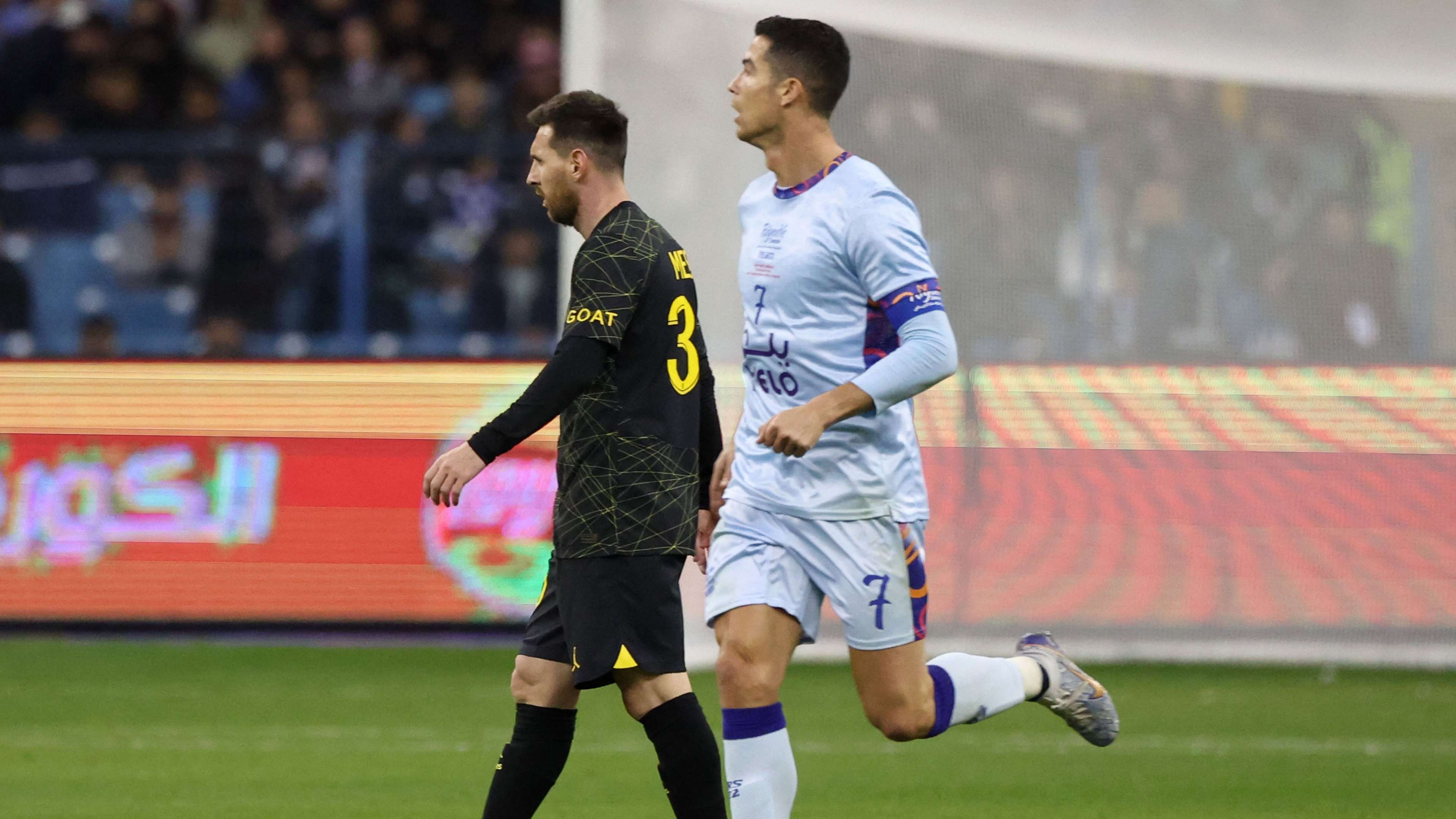
Ronaldo, who plays for Saudi Pro League side Al-Nassr, is estimated to earn about £225 million (approximately $300 million) in a single season. Around £187 million ($250 million) comes from his club agreement, while endorsements and other commercial activities contribute a further £37 million ($50 million). On that basis, his reported income works out to roughly £488,000 per day.
The figures underline the scale of the financial shift taking place in modern football. Saudi clubs have invested heavily in internationally recognised players, while established leagues in Europe and North America continue to generate significant income through broadcasting, sponsorship and global fan engagement. Ronaldo’s position at the top reflects both his high-value Al-Nassr contract and his continuing commercial appeal around the world.
Messi remains a major earner at Inter Miami
Messi ranks second, with estimated annual earnings of about £108 million ($145 million). His Inter Miami contract is reported to provide close to £52 million ($70 million) per year, with sponsorships and other business arrangements adding approximately £56 million ($75 million).
The two icons have spent much of their careers competing for football’s biggest individual honours. Their rivalry has also extended beyond the pitch, shaping the sport’s global profile and attracting commercial partners across continents. Together, Ronaldo and Messi account for a substantial share of the income earned by the ten players on the list, whose combined reported earnings total around £706 million.
Although their salaries come from different football markets, both players demonstrate how an elite athlete’s earning power is no longer limited to match fees. Image rights, advertising campaigns, social media reach and long-term brand partnerships can all form a major part of a player’s financial portfolio.
Mbappé, Haaland and Vinícius complete the leading group
Real Madrid forward Kylian Mbappé occupies third place, with estimated annual earnings of about £75 million. His income reflects his status as one of the sport’s most prominent players, although the reported figure follows the end of a Nike agreement said to have been worth around £15 million ($20 million) annually.
Erling Haaland is fourth, earning approximately £64 million ($84 million) through his Manchester City contract and commercial partnerships. The Norwegian striker has become one of football’s most productive goal-scorers, and his on-field reputation has helped attract a growing portfolio of sponsors.
Real Madrid teammate Vinícius Júnior rounds out the top five with an estimated £56 million ($76 million) in annual income. His reported club deal is worth around £25 million ($33 million) for a season. The Brazilian’s rise from exciting young winger to one of the most influential attackers in world football has strengthened both his sporting and commercial profile.
Yamal’s rapid rise puts a teenager among football’s elite
Barcelona’s Lamine Yamal is listed sixth, an eye-catching position for a player still in his teens. His estimated annual earnings stand at roughly £41 million ($55 million), including a reported Barcelona agreement worth about £33.5 million ($45 million) for a season.
Yamal’s place among the world’s highest earners reflects how quickly a young star’s value can grow when exceptional performances meet global attention. His progress has made him a central figure for Barcelona and Spain, while his popularity among younger supporters adds further appeal for brands. The ranking is also a reminder that football’s financial hierarchy can change rapidly as new talents emerge.
Sadio Mané, the former Liverpool forward now at Al-Nassr, follows with estimated earnings of £40 million ($54 million). Jude Bellingham is next on approximately £34 million ($45 million), continuing to benefit from his prominent role at Real Madrid and his standing with England.
Kane and Bellingham create an English football milestone
Harry Kane, England’s captain and Bayern Munich striker, ranks ninth with an estimated £32 million a year. His income is linked to a reported Bayern contract worth around £400,000 per week, alongside commercial agreements with several companies. This is Kane’s first appearance in the top ten, reflecting the value of his move to Germany as well as his enduring reputation as one of Europe’s leading forwards.
Bellingham and Kane give England two players in the top ten, marking a national milestone not seen since 2013. That year, Wayne Rooney and David Beckham were both among the leading earners. The comparison illustrates how English players’ financial standing has evolved, with today’s stars operating in a more globalised market and benefiting from international club brands and sponsorship networks.
Salah completes the top ten; Benzema is absent
Mohamed Salah is reported to be the only Arab player in the top ten, earning around £30 million annually. The former Liverpool star is said to have agreed a lucrative two-year contract with Trabzonspor worth approximately £363,000 per week. His inclusion maintains a strong Arab presence in the rankings, even as the list remains dominated by players from Europe’s biggest clubs and Saudi Arabia’s expanding football scene.
Salah’s departure from Anfield also means Haaland is the only current Premier League player in the top ten. The change highlights how the ranking is shaped not only by individual performance but also by where players choose to compete and how clubs structure their contracts.
One of the most notable absences is Karim Benzema. The former Real Madrid striker reportedly earned about £78 million ($104 million) last season before his Al-Hilal contract ended. He is currently a free agent, leaving his next move—and its potential effect on future football earnings rankings—uncertain.
What the earnings list says about modern football
The latest figures offer a snapshot of a sport increasingly shaped by international investment, commercial reach and competition between leagues. While salary estimates can vary depending on how bonuses, endorsements and image rights are calculated, the broad picture is clear: football’s biggest names are earning at levels that reflect their value as both athletes and global brands.
For supporters considering a football prediction, these rankings do not determine results on the pitch. However, a player’s club situation, workload and commercial commitments can form part of the wider context when assessing a team’s prospects. Ultimately, the list is less a measure of sporting success than a reflection of football’s enormous worldwide audience—and the financial power attached to its most recognisable stars.