
Inside the Controversy: The Untold Story Behind Egypt’s Match Against Iran and the Discontent of Mohamed El Shenawy
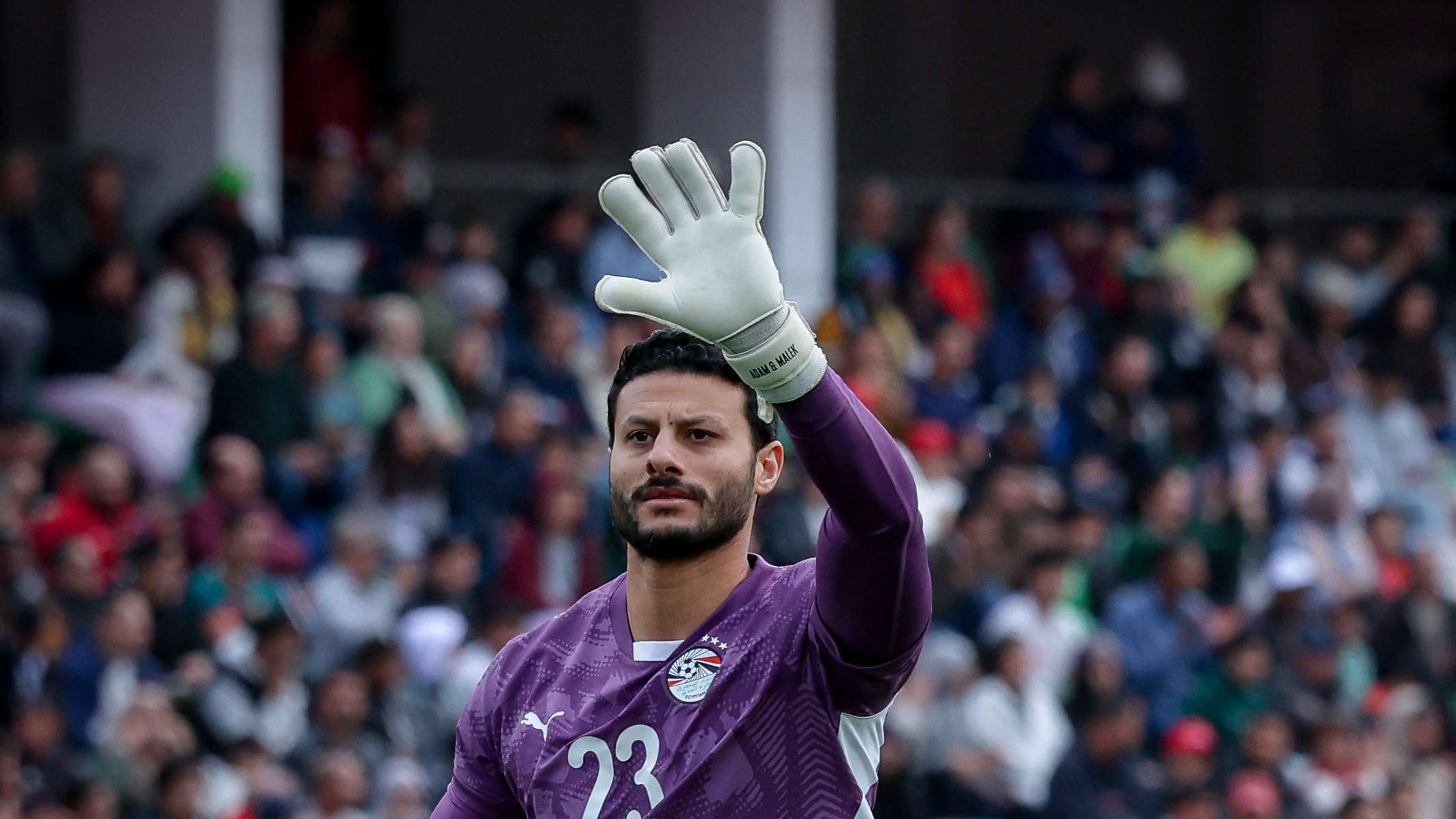
In the world of professional football, few issues stir as much debate and speculation as team disputes and behind-the-scenes conflicts. The recent match between Egypt and Iran has once again spotlighted the complex dynamics within national teams, revealing a story that extends far beyond the final whistle. Central to this narrative is Mohamed El Shenawy, Egypt’s star goalkeeper, whose frustrations with the coaching staff have deep roots tied to a pivotal incident during the 2026 World Cup qualifiers. This article delves into the intricate details of the crisis, the prediction implications for upcoming fixtures, and what this means for Egypt’s football future.
The Background: A Promising Start Marred by Discontent
Mohamed El Shenawy, renowned for his exceptional performances with Al Ahly and his vital role in Egypt’s national team, has been a key figure in recent years. His injury prior to the 2026 World Cup qualifiers seemed, at first glance, a minor setback. However, beneath the surface, it symbolized a brewing storm of dissatisfaction that would later erupt during Egypt’s crucial encounters against Iran and other teams.
The controversy traces back to September 25 and 29, 2026, during the first and second rounds of the Africa Cup of Nations (AFCON) qualifiers, and a subsequent friendly against South Africa on October 4. It was during this period that tensions between El Shenawy and the coaching staff became apparent, rooted in a broken promise and miscommunications that have since cast a shadow over Egypt’s preparations and team cohesion.
The Roots of the Crisis: Promises, Expectations, and Disappointments
Journalist Karim Rezkallah, a trusted voice in Egyptian football circles, provided an in-depth analysis of the unfolding situation. According to Rezkallah, the core issue stemmed from an initial promise made to El Shenawy by the national team coaching staff: he was assured of starting in the match against Iran, contingent upon Egypt’s qualification to the next round of the World Cup qualifiers.
This promise was not merely a casual remark but a pivotal element of El Shenawy’s motivation and confidence heading into the tournament. Goalkeeper roles, especially at the international level, are often dictated by trust and consistency; thus, such assurances carry significant weight. When the team qualified, expectations were high that El Shenawy would be the starting goalkeeper in the confrontation with Iran, a match that was widely viewed as a critical test for Egypt’s football prowess and prediction outlook for future fixtures.
The Matchday Shock: A Line-up Change That Sparked Fury
However, the reality on matchday told a different story. As the Egyptian squad arrived at the stadium, fans and analysts anticipated El Shenawy to be between the posts. Instead, the starting eleven listed Mostafa Shobier, a fellow goalkeeper, leading to immediate speculation and disappointment. This decision was a direct deviation from the earlier promise, and it ignited Mohamed El Shenawy’s anger and frustration.
Sources close to the team explained that El Shenawy, visibly upset, approached a team administrator and conveyed his dissatisfaction. He requested that his concerns be communicated to Ibrahim Hassan, the team manager, indicating he might refuse to sit on the substitutes’ bench, especially considering the presence of four goalkeepers in the squad. This act of protest underscored the severity of his discontent and hinted at deeper issues within the team management.
The Intervention and the Attempt to Calm the Storm
In response to El Shenawy’s protests, Ibrahim Hassan intervened swiftly. Recognizing the potential fallout, he and Hossam Hassan, Egypt’s head coach, held a private meeting with El Shenawy and Mostafa Shobier to address the situation. During this discussion, Hossam Hassan emphasized that he had previously promised El Shenawy a starting position and urged Shobier to step aside, which the goalkeeper agreed to without resistance.
This delicate negotiation aimed to resolve the conflict amicably and preserve team harmony ahead of a critical match. Yet, the resolution faced an unforeseen obstacle — an administrative decision that would ultimately alter the course of events.
The Administrative Decision and Its Aftermath
Despite the coaching staff’s efforts to accommodate El Shenawy, administrative authorities stepped in. Walid Badr, an official responsible for team logistics, informed the coaching staff that the official match sheet — the “score sheet” — had already been submitted to the tournament’s organizing committee. Altering the line-up at this stage would constitute an official change, which could have serious repercussions, including sanctions or disqualification.
Faced with this bureaucratic hurdle, the initial plan to start El Shenawy was shelved. The starting goalkeeper remained Mostafa Shobier, and the match proceeded accordingly. El Shenawy, initially accepting the situation, later questioned whether the entire incident was orchestrated to contain his dissatisfaction and prevent a public fallout.
The Broader Implications for Egyptian Football and Prediction Analyses
This incident has profound implications beyond the immediate match. It highlights the ongoing challenges faced by Egyptian football teams — balancing talent, management, and player morale. For fans and analysts making football prediction, understanding these internal conflicts is crucial for more accurate forecasts of team performance and outcomes.
In particular, the controversy raises questions about Egypt’s strategic planning and leadership. Will the team resolve these internal disputes ahead of upcoming fixtures? How will the goalkeeper situation affect Egypt’s prediction for future matches, especially in tournaments where team cohesion is vital? Such internal issues can have a tangible impact on the team’s performance, morale, and ultimately, their success on the pitch.
What’s Next for Mohamed El Shenawy?
As El Shenawy recovers from his injury, the focus shifts to his reintegration into the national team setup. His experience and leadership are invaluable, especially amid ongoing internal tensions. Football prediction models often consider not just player statistics but also team harmony, which has been challenged recently within the Egyptian squad.
Many experts suggest that resolving such disputes swiftly is essential for Egypt to harness its full potential in upcoming international competitions. The hope is that El Shenawy, with his extensive experience, can help bridge divisions and restore stability, ensuring that Egypt remains competitive in Africa and beyond.
Conclusion: A Crisis That Could Define Egypt’s Football Future
The controversy surrounding Mohamed El Shenawy’s sidelining during the Egypt vs. Iran match provides a stark reminder of the complexities within national football teams. While injuries and tactical decisions are common, the underlying issues of trust, promises, and administrative interference can significantly influence team dynamics and prediction outcomes.
As Egypt prepares for future fixtures, the resolution of these internal conflicts will be crucial. Football prediction enthusiasts and fans alike will be watching closely, analyzing not just on-field performance but also the internal harmony that can make or break a team’s journey in international competitions. Ultimately, how Egypt manages this internal crisis could shape the trajectory of their football ambitions for years to come.