
CAF Reconsiders Four-Year Africa Cup of Nations Plan
The Confederation of African Football (CAF) is reconsidering its decision to stage the Africa Cup of Nations (AFCON) every four years, just 10 months after announcing the proposed change. CAF president Patrice Motsepe has confirmed that a return to the tournament’s traditional two-year schedule is under review, setting up a potentially significant shift in the future of African football.
According to reporting by The Guardian, CAF’s executive committee is expected to discuss the proposal at a meeting in Cape Verde, where members may vote on whether to restore the biennial format. No final decision has been announced, but Motsepe’s comments indicate that the governing body is actively reconsidering a policy that drew criticism from supporters, national associations and football observers across the continent.
Motsepe Confirms Biennial AFCON Is Under Consideration
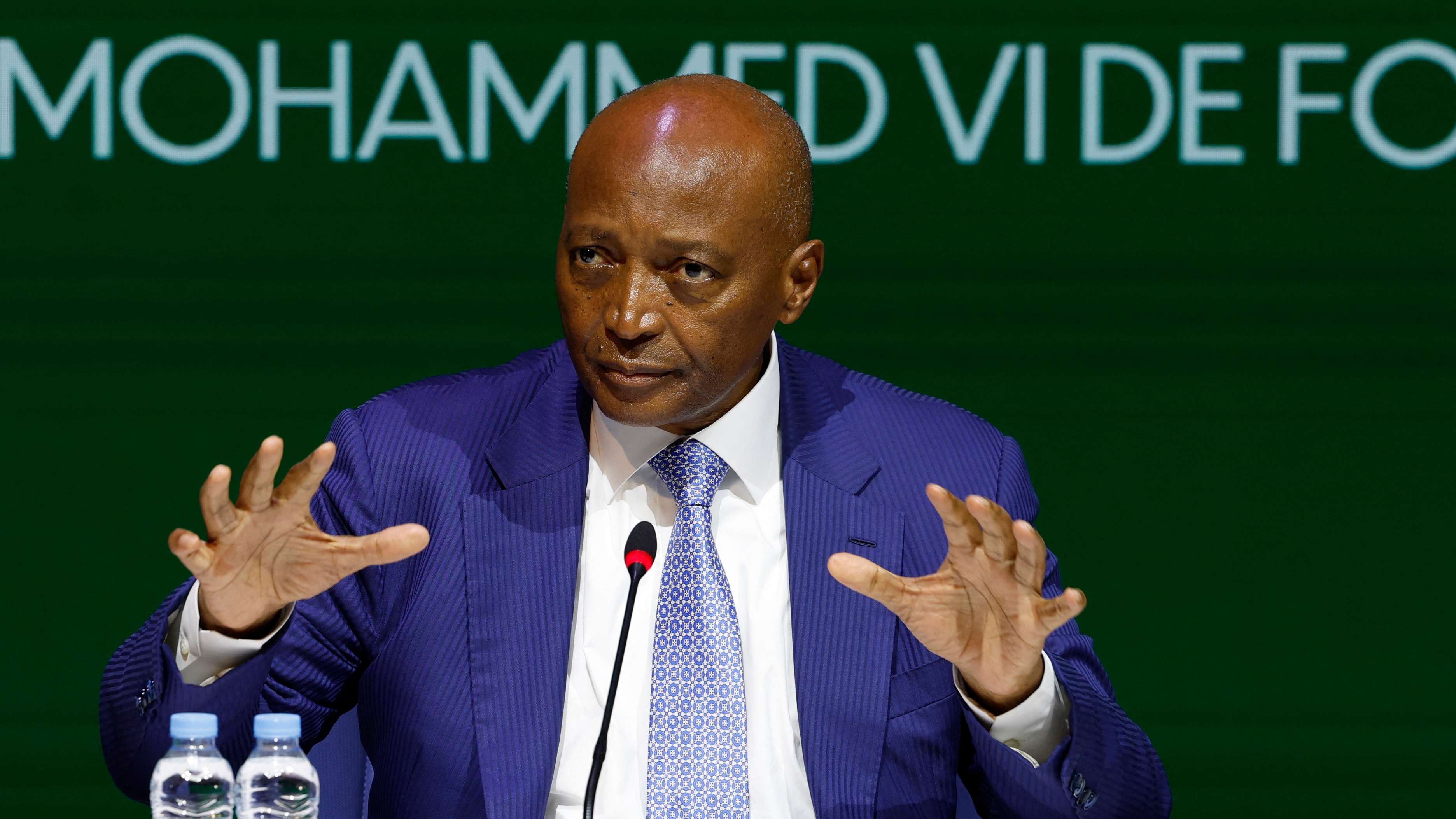
Speaking on Friday during a CAF gathering in Cape Verde, Motsepe said the organisation was examining the possibility of holding AFCON every two years again. His remarks, reported by French outlet Foot Mercato, represent a notable change in tone from CAF’s announcement last December that the competition would move to a four-year cycle from 2028.
“We are studying the possibility of returning to holding the Africa Cup of Nations every two years. This matter is currently under study,” Motsepe said.
The president’s statement does not confirm that the four-year plan has been formally cancelled. Instead, it suggests CAF is weighing the consequences of both formats before making a final decision. The executive committee’s discussions will be closely watched by national teams and fans, as the tournament’s schedule affects international football calendars, player availability, commercial planning and preparations for future editions.
Why the Four-Year Plan Faced Opposition
AFCON is more than a major sporting event. For many countries, it is the leading stage for national-team football, bringing together supporters across borders and giving players a chance to compete for a continental title. A four-year gap between tournaments would make AFCON less frequent and could alter its place in the rhythm of African football.
Critics of the proposed change argued that fewer editions could reduce the visibility of African teams internationally. A regular tournament gives national sides recurring opportunities to test themselves against the continent’s strongest opponents, develop emerging players and build momentum between World Cup qualifying campaigns. Extending the interval could make those opportunities less frequent, particularly for teams that do not regularly qualify for global competitions.
There are also financial and cultural considerations. AFCON generates income through broadcasting, sponsorship, ticket sales and tourism, while host nations can benefit from increased attention and visitor spending. A less frequent competition might affect those revenue streams and reduce the number of occasions when fans can experience one of the continent’s most anticipated football events. For supporters, the tournament’s biennial rhythm has long been part of its appeal.
Scheduling, Clubs and the Wider Football Calendar
The debate is also connected to the increasingly crowded international football calendar. Clubs in Europe and elsewhere often face the challenge of releasing players for AFCON, particularly when the tournament overlaps with domestic seasons. A four-year cycle could potentially make scheduling easier for some clubs and competitions, while giving CAF more time to organise each edition.
However, changing the frequency would not automatically resolve every calendar conflict. The impact would depend on tournament dates, qualification schedules and coordination with FIFA and other football bodies. A two-year cycle offers regular competitive opportunities for national teams, but it also requires CAF to manage hosting arrangements and qualification campaigns more often. A four-year format could create longer planning windows, yet it would also leave a larger gap between major continental championships.
That balance is central to the prediction surrounding CAF’s next move. If the executive committee prioritises continuity, fan engagement and national-team development, the traditional two-year schedule may prove difficult to abandon. If it places greater emphasis on reducing congestion and creating a more widely spaced global calendar, officials could seek a revised model or additional scheduling safeguards. Until CAF publishes a formal decision, any prediction remains provisional.
What the Review Means for AFCON 2027
The immediate focus remains on the next scheduled edition. AFCON 2027 is planned for 19 June to 17 July and will be hosted jointly by Tanzania, Kenya and Uganda. The three-country arrangement is expected to bring the tournament to East Africa, offering a major opportunity for the region to welcome teams and supporters from across the continent.
For now, CAF has given no indication that the 2027 tournament will be moved or postponed. The confederation’s media spokesperson, Luxolo September, recently told Kooora that there were no plans to change the event’s schedule. That means preparations for the tournament are expected to continue while CAF considers the longer-term frequency of future editions.
The distinction is important: reviewing the cycle from 2028 onward does not necessarily affect the dates or hosting plans already set for 2027. Teams, organisers and fans can therefore continue to plan around the published schedule unless CAF announces otherwise.
A Decision With Lasting Consequences for African Football
CAF’s review highlights how difficult it is to balance the interests of national teams, clubs, broadcasters, host countries and supporters. The Africa Cup of Nations has a distinctive place in the football calendar, and the frequency of the competition influences far more than the timing of one tournament. It shapes qualification pathways, investment plans, player development and the visibility of African football around the world.
The executive committee’s expected discussion in Cape Verde could provide a clearer indication of CAF’s direction, but the final outcome will depend on the details of any proposed schedule and how the organisation addresses concerns about congestion and commercial sustainability. For now, the four-year plan is no longer certain, while a return to the familiar two-year format remains under active consideration.
Until CAF makes an official announcement, AFCON fans can expect continued debate—and plenty of prediction—about what comes next. The key question is whether the confederation will restore the tournament’s traditional rhythm or pursue a different calendar designed to balance the demands of modern international football.