
Eddie Howe to Manchester United? The Questions Behind a Potential Managerial Change
The debate at Manchester United has moved beyond who can deliver the next win. With Michael Carrick under pressure amid concerns over results and performances, the club faces a larger question: what kind of football project does it want to build, and can its leadership create the conditions for that project to succeed?
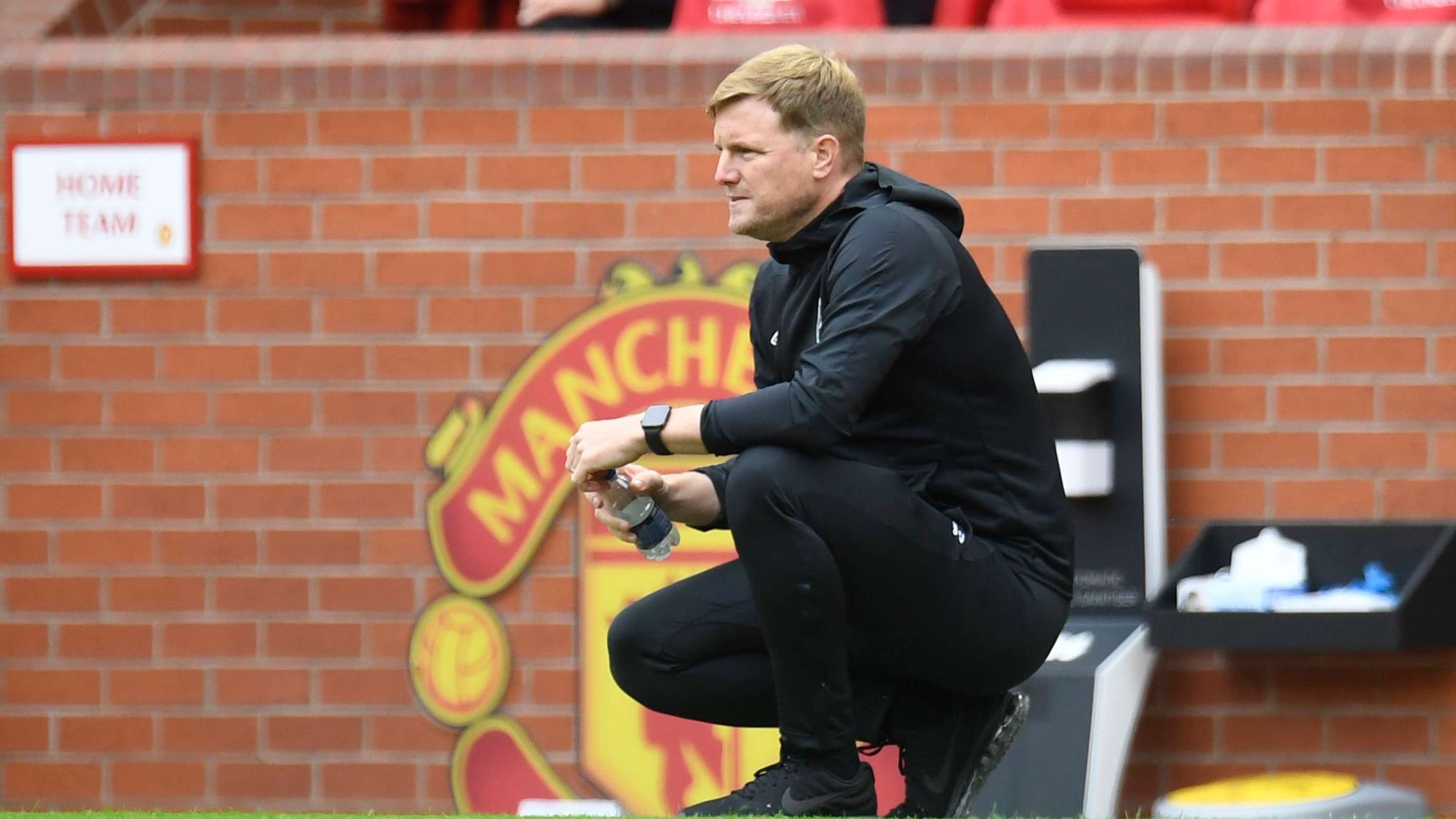
Eddie Howe is emerging as a prominent possible successor if United decide to make a change. His record at Bournemouth and Newcastle makes a compelling case, but a move to Old Trafford would bring challenges that go well beyond tactics. The club’s internal structure, recruitment strategy, finances and divided fan base would all shape whether he could thrive.
For supporters following the latest football prediction and managerial speculation, Howe represents a familiar Premier League option with a proven ability to improve teams. Yet the key issue is not simply whether he is a capable coach. It is whether United can offer him a stable environment—and whether he would accept the limits of the role.
Ratcliffe’s British vision faces a reality check
When Sir Jim Ratcliffe became a co-owner in 2024, a central idea behind his Ineos-led project was to build a stronger British core at Manchester United. The ambition was to give the team a clearer identity and create a foundation for long-term success. But turning that principle into a practical recruitment plan has proved difficult. British players can command high transfer fees, while the club’s recent coaching changes have made it harder to maintain a consistent direction.
Carrick’s struggles have also prompted questions about whether the board still intends to prioritise a British manager. Howe would fit that profile, but his strongest argument is his work rather than his nationality. At Bournemouth, he built a competitive side with limited resources. At Newcastle, he helped transform a club battling near the bottom into a team capable of challenging for European qualification and silverware.
Howe’s record: from Bournemouth survival to Newcastle success
Howe’s rise was gradual. He took charge of Bournemouth in January 2009, when the club faced serious financial and sporting difficulties and was threatened with relegation from the second tier. He helped reverse its fortunes, guiding the team through a remarkable climb that culminated in promotion to the Premier League in 2015.
Keeping Bournemouth competitive in the top flight was a significant achievement given the club’s comparatively modest budget. Howe’s work also helped develop players and increase their value, demonstrating that he could build a team rather than simply manage an established collection of stars. He departed in 2020 after a difficult final season, but his reputation as a builder remained intact.
Newcastle offered a different test. Howe arrived in 2021 with the club struggling and facing a relegation battle. He improved performances, restored belief and helped return Newcastle to the Champions League picture. The club also won the EFL Cup in 2025, ending a 56-year wait for a major domestic trophy. That combination of development, improved results and a cup triumph explains why his name carries weight in the United discussion.
At Old Trafford, however, success would be measured against a far higher standard. United are expected to compete for major honours, while every poor performance attracts intense media attention. Howe’s ability to build under pressure is proven; whether he can manage the expectations and scrutiny attached to one of world football’s most prominent jobs remains less certain.
Supporters divided over the scale of the appointment
Not all United fans see Howe as the right choice. Some believe the job requires a more decorated manager with experience of winning major titles at elite clubs and handling established international stars. Others argue that reputation should not outweigh evidence of coaching ability, player development and team-building.
The split has been reflected among former players and pundits. Paul Scholes and Nicky Butt have expressed reservations about Howe, while Roy Keane has suggested he could be a suitable appointment. Former Premier League players including Darren Bent, Gareth Barry and Jack Wilshere have also backed his credentials.
This disagreement reflects a broader challenge for United: there is no universally accepted profile for the next manager. The board must decide whether to prioritise Premier League experience and a record of rebuilding teams, or seek a coach with a different tactical background and a stronger European pedigree.
Compensation is only one part of the financial calculation
Any change would carry a cost. United may need to settle Carrick’s contract and pay obligations to members of his coaching staff before financing a replacement. Reports have also described a compensation arrangement between Newcastle and Howe, with the amount due reportedly falling over time. The figure was said to have started at around £6 million and to have reduced to approximately £3 million, with the arrangement expected to expire before the end of the season.
For a club with United’s spending power, that sum may be manageable. The more serious concern is the cumulative cost of repeated appointments and dismissals. A new manager can bring short-term optimism, but if the recruitment strategy and decision-making structure remain unsettled, the club risks paying for another change without fixing the causes of its instability.
Would Howe accept United’s division of power?
One of the most important questions concerns control over recruitment. Howe has had substantial influence on football decisions at his previous clubs. At Bournemouth, his work helped bring in players such as Nathan Aké, Callum Wilson and Tyrone Mings. At Newcastle, he was involved in a recruitment period that included Bruno Guimarães, Anthony Gordon, Sandro Tonali and Alexander Isak. He has also helped improve players already at the club, including Dan Burn, Lewis Hall and Tino Livramento.
Manchester United’s structure is different. Chief executive Omar Berrada, sporting director Jason Wilcox and recruitment director Christopher Vivell each have defined responsibilities. A new head coach would be expected to work within that framework rather than control every aspect of squad-building.
That arrangement need not be unfamiliar: Howe has worked alongside senior football executives at both Bournemouth and Newcastle. The crucial issue is whether United’s leaders can agree on a shared plan, communicate clearly and give the coach a meaningful voice without creating competing centres of authority.
Howe versus Nagelsmann—and a problem bigger than the coach
Reports have indicated that Wilcox favours Howe, valuing his Premier League experience and record of building competitive teams. Vivell is said to prefer Julian Nagelsmann, the former Bayern Munich and Germany coach, whose profile offers a different tactical approach and extensive experience at the highest European level. Berrada is expected to weigh those views before the final decision reaches Ratcliffe and the Glazer co-chairmen.
The choice would signal what kind of project United want: a coach with deep knowledge of English football or a manager associated with a more distinct tactical identity. But neither candidate can guarantee success if the club’s underlying problems go unaddressed.
Since Sir Alex Ferguson left in 2013, United have struggled to sustain a coherent long-term plan. Managers have arrived with different ideas, and the squad now reflects several recruitment cycles and coaching philosophies. That makes the next appointment particularly demanding: the manager will need to improve results while helping unite a group that was not assembled around one consistent vision.
Can Manchester United give its next manager the right conditions?
Howe may be a strong candidate to replace Carrick, but the decision cannot be judged on his coaching record alone. United must determine how much influence the manager will have, how recruitment will support the chosen style and whether senior executives can maintain a consistent strategy through setbacks.
The most important football prediction may therefore concern the club itself, not the next match: another appointment will not bring lasting progress unless Manchester United fixes the structure around the coach. Howe has shown he can rebuild teams. Whether he can do so at Old Trafford will depend on the partnership he forms with the board—and on whether the club is finally ready to commit to a clear plan.