
Injury Crisis for Saudi Arabia’s Goalkeeper Nawaf Al-Aqidi: Impact on Football Prediction and Team Stability
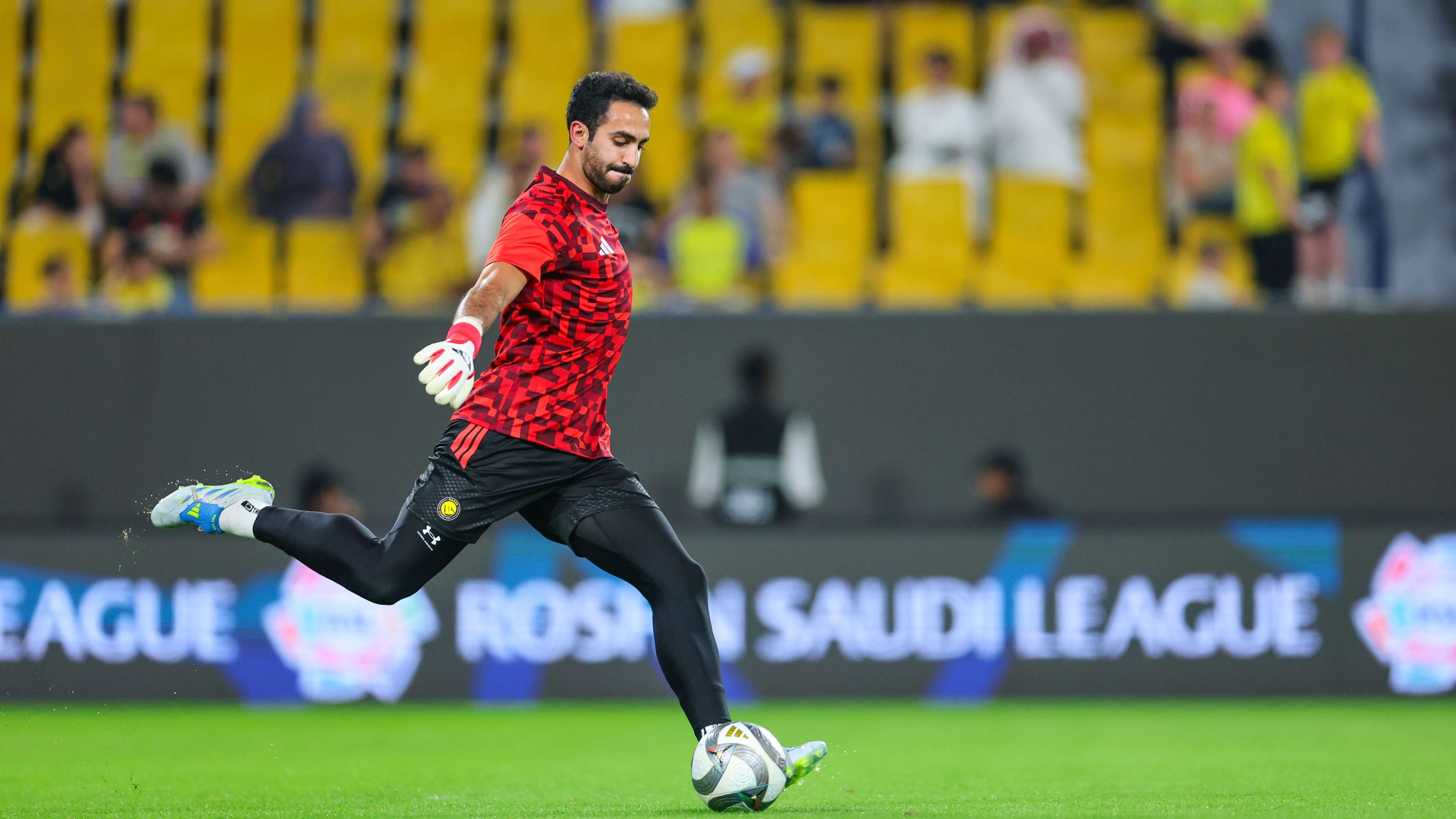
The recent injury sustained by Saudi Arabia’s prominent international goalkeeper Nawaf Al-Aqidi has sent ripples through the football community, raising critical questions about team strategies, prediction models, and the upcoming fixtures. As the national team and club side Al-Nassr grapple with the implications of his injury, experts and fans alike are keenly analyzing the potential consequences on football predictions for future matches and the team’s overall performance.
Injury Details and Medical Findings
During the opening match of Gulf Cup 27, Nawaf Al-Aqidi’s injury was initially perceived as minor. However, subsequent medical assessments uncovered a more serious issue—an injury to his right elbow and hand joint, specifically a slight tear that could sideline him for an extended period. This revelation came after a comprehensive examination conducted on Sunday, once swelling and initial symptoms subsided, providing a clearer understanding of his condition.
According to sources close to “Al-Riyadiah,” a reputable sports news outlet, the injury mandates approximately five weeks of dedicated treatment and rehabilitation. This timeframe significantly impacts not only his participation in upcoming matches but also the tactical planning of the national team and Al-Nassr, especially considering his pivotal role in both squads.
The Incident that Changed the Course of the Tournament
The injury occurred during a critical moment in the 78th minute of the match against Kuwait. Al-Aqidi was attempting to clear a cross following a free-kick when he fell awkwardly, leading to his exit from the game. While initially perceived as a minor incident, subsequent medical investigations revealed a tear that necessitates a lengthy recovery period.
What makes this injury particularly impactful is Al-Aqidi’s status as a central figure between the posts for both his club and the national team. His absence creates a void that raises questions about the contingency plans in place—an issue that football prediction models will need to account for in forecasting the outcomes of future matches.
Rehabilitation Strategy and International Medical Collaboration
The medical teams are now deliberating on the optimal approach for Al-Aqidi’s recovery. There is a consensus on the importance of specialized treatment, with plans to potentially send him abroad for advanced rehabilitation. This decision is driven by the desire to ensure the best possible outcome, minimizing the risk of re-injury and ensuring a full return to peak performance.
Coordination between Al-Nassr’s medical staff, the Saudi national team’s doctors, and international specialists is underway. The choice of country and medical facility will hinge on the expertise available and the specific needs of the goalkeeper. This strategic move underscores the high stakes involved, as the decision will influence not only his recovery timeline but also the team’s future football predictions and match preparations.
The Implications for Saudi Football and Prediction Models
Al-Aqidi’s injury comes at a pivotal time for Saudi football, which is eager to establish itself firmly on the Asian and international stages. His absence raises the specter of instability in goal, a critical position that often influences the outcome of tight matches. Analysts and betting companies specializing in football prediction are now reassessing their models, factoring in the potential impact of his absence on team performance.
Football prediction algorithms often weigh the presence of star players heavily, especially goalkeepers who are vital for defensive stability. The uncertainty surrounding Al-Aqidi’s recovery means that forecasts for upcoming fixtures must adapt, considering the likelihood of alternative goalkeeping options stepping in and the overall defensive resilience of Saudi Arabia.
Next Steps and Future Outlook
While the exact timeline for Al-Aqidi’s return remains uncertain, the focus is now on a thorough and carefully managed rehabilitation process. The key objectives are to restore full function, prevent re-injury, and restore confidence between the posts. The decision to send him abroad reflects an understanding that cutting-edge medical treatment can significantly reduce recovery time and improve long-term outcomes.
For Al-Nassr and the national team, the next five weeks are critical. Coaches and medical staff will evaluate emerging goalkeeping talents to fill the gap, while tactical plans will be adjusted to accommodate the absence of their first-choice custodian. This period will also test the resilience of the team’s defensive strategies and influence football prediction models for upcoming matches, especially in the Gulf Cup and qualifiers for future tournaments.
Broader Context: The Role of Injuries in Football Prediction and Team Strategy
Injuries like that of Nawaf Al-Aqidi highlight the unpredictable nature of football, emphasizing the importance of contingency planning and dynamic prediction models. Advanced analytics now incorporate injury risk assessments, player fitness levels, and recovery trajectories to refine forecasts of match outcomes.
Moreover, such incidents underscore the significance of player health management, especially for key figures whose absence can dramatically alter team dynamics. Teams worldwide are investing more in sports science and medical support, aiming to minimize downtime and maintain competitive edge—an approach increasingly reflected in accurate football prediction and betting strategies.
Conclusion: Navigating Uncertainty in Football’s Future
The injury to Nawaf Al-Aqidi marks a challenging chapter for Saudi football, but it also serves as a catalyst for strategic adaptation. As medical teams collaborate internationally to optimize his recovery, fans and analysts alike are reevaluating predictions, factoring in the potential ripple effects on team performance, defensive stability, and match outcomes.
While the road to full recovery may be lengthy, the overarching goal remains clear: ensuring Nawaf Al-Aqidi returns to action stronger and healthier, ready to defend his team’s ambitions. In the meantime, football prediction models will continue to evolve, embracing the unpredictability that makes the beautiful game so captivating.