
Barcelona’s Critical Decision: Navigating the Future of European Basketball and the Football Connection
As European basketball faces a historic crossroads, FC Barcelona is set to play a pivotal role in shaping the continent’s sporting landscape. Over the next two days, representatives from 13 EuroLeague clubs will convene at a high-stakes summit on the picturesque shores of Lake Como in Italy. At the heart of this gathering lies a fundamental question: Should the EuroLeague remain under its traditional model, or should it embrace a transformative partnership with the American National Basketball Association (NBA)? This decision could redefine not only European basketball but also influence the broader sports ecosystem, including football’s global dynamics.
FC Barcelona: Leading the Charge in a Critical Gathering
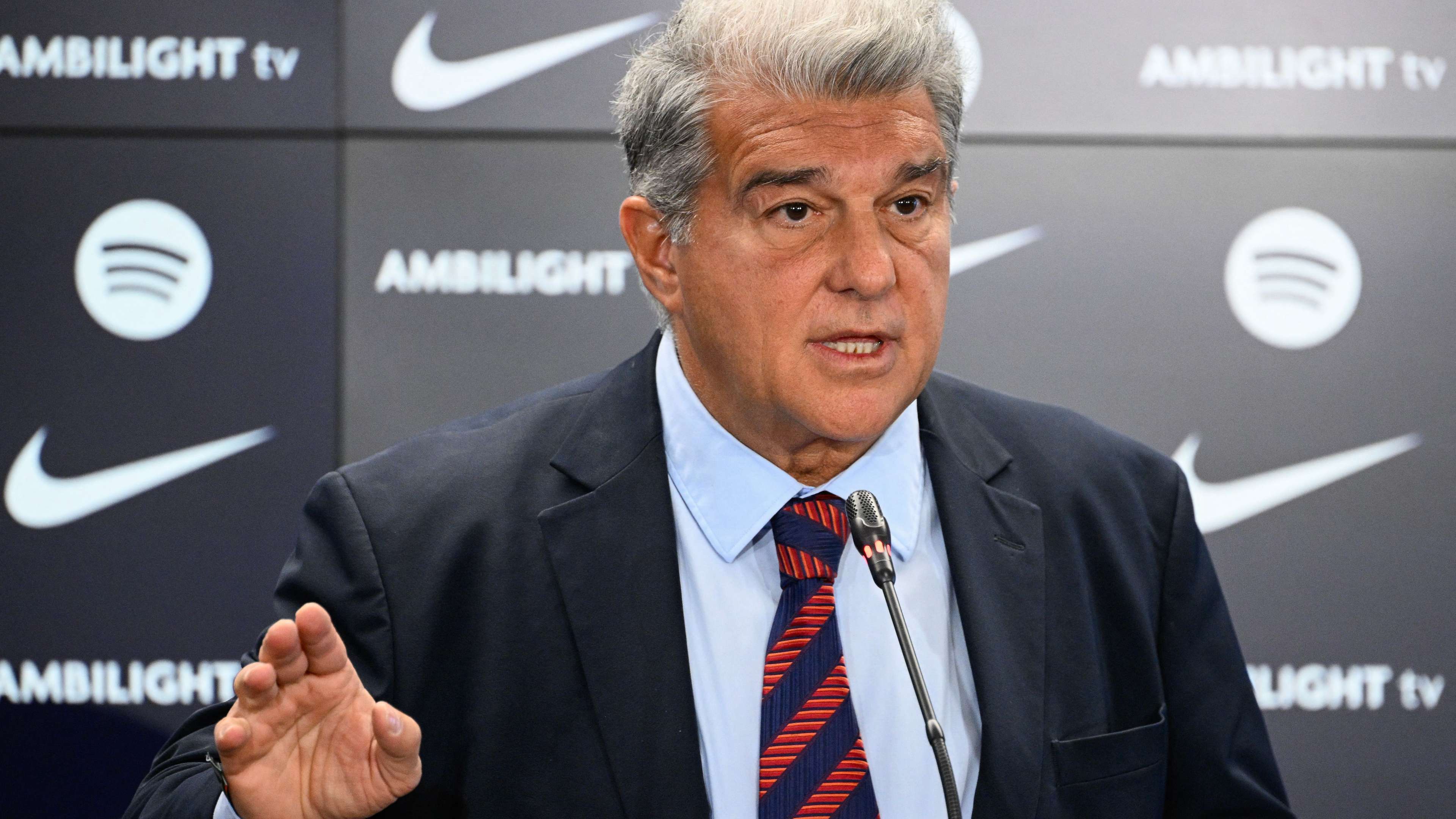
According to reports from the renowned sports newspaper “Mundo Deportivo”, Barcelona’s president Joan Laporta will personally lead the club’s delegation during this significant summit. Initially, there was speculation that the responsibility might be entrusted to Sisco Pujol, a key figure in Barcelona’s basketball operations, or Xavi O’Callaghan, the club’s chief executive. However, Laporta’s decision to take the helm underscores the importance of this meeting for the club and its sporting ambitions.
This move highlights Barcelona’s strategic interest in the future of European basketball, especially considering the potential ramifications of the discussions. The primary agenda revolves around whether the EuroLeague should maintain its current management structure or pivot towards a groundbreaking alliance with the NBA—a move that could revolutionize the competition’s financial and operational landscape.
The Core of the Debate: EuroLeague’s Future or NBA Integration?
The summit presents a binary choice for the EuroLeague clubs: either continue with the existing model, which emphasizes managed autonomy by the participating clubs, or accept a comprehensive merger with the NBA, adopting the American league’s business and operational framework. This decision is crucial, as it involves a profound shift in governance, commercial strategy, and international appeal.
The options on the table are as follows:
- Option 1: Maintain the Current Model – The clubs retain control over the league’s management, preserving the existing structure that has traditionally defined European club basketball. This approach emphasizes stability, local control, and gradual growth.
- Option 2: Merge with the NBA – Incorporate the NBA’s commercial expertise, marketing prowess, and organizational structure, which entails accepting a new governance model that prioritizes franchise-based management, similar to American sports leagues.
Key Issues Under Consideration
The decision-making process involves multiple critical considerations designed to build trust among club owners and stakeholders. These include:
- Transition from Licensing to Franchising – Moving from licensing agreements to a franchise-based model, which could enhance revenue streams and global visibility.
- Evaluating Investment Offers – Assessing proposals to expand the league’s scope, including the possibility of adding new franchises across Europe.
- Relationship with the NBA – Deciding whether to continue negotiations with the NBA or to abandon these efforts in favor of maintaining the traditional EuroLeague structure.
Joan Laporta’s Strategic Moves: From Football to Basketball
The Barcelona president’s involvement in this basketball summit is no coincidence. Earlier this week, Laporta attended a European Football Clubs (EFC) gathering in Copenhagen, where he held a significant meeting with NBA Deputy Commissioner Mark Tatum. The discussion focused on the NBA’s European ambitions and the potential integration of elite European football clubs into the American league’s basketball ecosystem.
This meeting included prominent clubs such as Real Madrid and Bayern Munich, signaling a broader interest within European sports to explore cross-disciplinary collaborations. The NBA aims to persuade top football clubs like Paris Saint-Germain and AC Milan to join their European expansion project, dubbed “NBA Europe”.
The “NBA Europe” Project: A Vision for 12 Major Cities
The NBA’s European strategy envisions establishing a foothold in 12 key cities: Barcelona, Madrid, Athens, Rome, Milan, London, Paris, Berlin, Munich, Istanbul, Manchester, and Lyon. These cities are targeted for investment and development, forming the core of a proposed 16-team league. Four additional franchises could join through competitive bidding processes, creating a vibrant and diverse basketball ecosystem across Europe.
By leveraging the enormous popularity of football clubs—many of which own successful basketball teams—the NBA hopes to replicate its American success on the European continent. The involvement of globally recognized football giants would provide instant brand recognition and substantial marketing leverage, creating a truly pan-European basketball league with substantial commercial potential.
Barcelona’s Strategic Plans: Building a New Arena and Expanding Horizons
While contemplating these high-stakes negotiations, Barcelona remains committed to its core sporting projects. The club is preparing to commence construction of a new Palau Blaugrana arena, a centerpiece of its ambitious Espai Barça development plan. This state-of-the-art venue aims to host basketball, concerts, and other major events, serving as a hub for both sports and entertainment in Barcelona.
In line with the NBA’s interest in European expansion, Barcelona is exploring innovative financing solutions. One proposal involves contracting a company to build and operate the arena under a franchise agreement spanning 35 to 40 years. This strategic move would not only support the club’s sporting ambitions but also enhance its commercial appeal, particularly if the NBA’s European project materializes.
Balancing Football and Basketball: A Holistic Sports Strategy
Barcelona’s approach reflects a broader vision of integrating its football and basketball endeavors into a cohesive international strategy. The club’s leadership recognizes that success in basketball can bolster its global brand, attract international investors, and foster new revenue streams that support its football operations. The potential entry into the NBA’s European league could serve as a catalyst for increased visibility, sponsorship opportunities, and fan engagement across multiple sports disciplines.
Expert Insights: The Prediction for European Basketball’s Future
Sports analysts and industry experts are closely watching these developments, with many predicting a significant paradigm shift in European basketball within the next few years. The adoption of an NBA-style franchise model could lead to a more commercially driven, globally appealing league, attracting higher-quality talent and increased broadcasting rights revenues.
However, opponents argue that such a merger could erode the traditional European club-centric model, potentially diminishing local control and cultural identity. The decision made at Lake Como will likely set a precedent for how European sports leagues evolve in an increasingly globalized and commercially competitive environment.
Implications for Football and Broader Sports Ecosystem
While the focus remains on basketball, the implications extend into football, as clubs like Barcelona and Real Madrid seek innovative ways to sustain their dominance and financial stability. The possibility of integrating football giants into a basketball league underscores a broader trend of sports globalization, cross-promotion, and strategic partnerships.
For football fans and sports enthusiasts alike, the coming days promise a captivating glimpse into the future of European sports—where traditional boundaries are challenged, and new models of competition and collaboration emerge.
Conclusion: A Pivotal Moment in European Sports History
The upcoming summit on Lake Como marks a defining moment in European basketball’s evolution, with Barcelona leading the charge in a decision that could reshape the continent’s sporting landscape. Whether the EuroLeague maintains its independence or aligns with the NBA’s innovative approach, one thing is clear: European sports are entering an era of unprecedented change, driven by strategic vision, global ambitions, and the relentless pursuit of growth.
As fans, stakeholders, and industry insiders await the outcomes, one thing remains certain—this is a prediction-rich period that could herald the dawn of a new chapter for European football and basketball alike.