
Controversy and Criticism Surround Saudi Arabia’s Defensive Star Hassan Tambakti After Penalty Miss in Gulf Cup
The recent Saudi Arabia vs. Qatar match in the Arabian Gulf Cup has ignited a wave of debate within the football community, not only because of the intense on-field action but also due to a pivotal moment that has drawn sharp criticism. At the heart of this controversy is Hassan Tambakti, the seasoned defender for Saudi Arabia and Al Hilal, whose missed penalty during a crucial shoot-out has sparked both disappointment and heated discussions about responsibility, preparation, and the mental resilience required at the highest levels of football.
High Stakes and a Missed Opportunity in the Gulf Cup Final
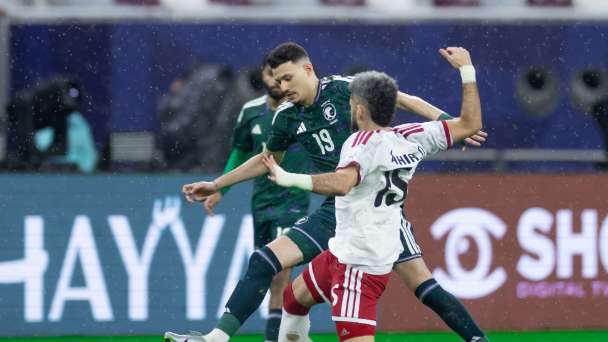
On a tense Saturday night, Saudi Arabia faced Qatar in a match that would determine their progression to the Arabian Gulf Cup final. The game, marked by tactical discipline and fierce competition, ultimately hinged on a penalty shoot-out after regulation and extra time failed to produce a winner. While the entire team fought valiantly to secure their place in the final, it was Hassan Tambakti’s missed penalty that became the defining moment of the night.
Despite the disappointment, Saudi Arabia managed to edge out Qatar 3-2 in the shoot-out, thanks in part to clutch performances from their goalkeeper and other players. The victory sent the Green Falcons into the final, where they are set to face the United Arab Emirates on Tuesday evening. However, the focus has shifted from the overall team effort to the individual responsibility of Tambakti, whose penalty miss has become a hot topic among fans, football analysts, and former players alike.
Explosive Criticism from Former Saudi Football Legend Ahmed Atif
Adding fuel to the fire, Ahmed Atif, a revered figure in Saudi football and a former star of the national team, did not hold back in expressing his views on the incident. During his appearance on the popular sports program “Dorrena Ghair,” Atif delivered a candid and scathing critique of Tambakti’s performance in the penalty shoot-out.
He stated, “Hassan Tambakti must feel a sense of responsibility towards his country’s national team because he was about to waste everyone’s effort with that execution.” His words underscored the gravity of the moment and the importance of mental toughness in penalty situations, especially during high-stakes tournaments like the Gulf Cup.
Responsibility and the Pressure of Penalty Kicks
Atif emphasized that not every player is naturally suited to take penalties in critical moments. He pointed out that Tambakti’s failure to convert was not merely an unlucky miss but a reflection of a lack of regular practice and mental preparation for such decisive moments. “He should not be relied upon in such situations because it’s evident that he does not take penalty shoot-out kicks on a regular basis,” Atif explained.
The veteran player also drew comparisons with other footballers, highlighting the difference in execution and composure. “I understand that misses happen in football. It’s part of the game,” Atif admitted, “but executing a penalty in a high-pressure scenario must be approached with professionalism and confidence. Tambakti’s attempt lacked both.” He further elaborated that even technically skilled players like Kanno, another Saudi star known for his powerful shots, know how to handle penalty situations better due to regular training and mental conditioning.
The Broader Impact on Saudi Football and What Needs to Change
This incident has reignited conversations surrounding the preparation and mental resilience of Saudi footballers, especially in high-stakes tournaments. Critics argue that while the country’s football infrastructure has seen significant improvements, certain players still lack the psychological tools necessary to perform under pressure.
The Saudi Football Federation has been urged to implement more comprehensive mental training programs, focusing on penalty shoot-outs, which are often the deciders in knockout competitions. Developing players’ confidence in their penalty-taking ability could be the difference between victory and defeat in future tournaments.
Looking Ahead: The Final and the Lessons Learned
Despite the disappointment, Saudi Arabia’s journey in the Gulf Cup continues. Their victory in the shoot-out against Qatar ensures their spot in the final against the UAE, a match that promises to be intense and highly competitive. For Tambakti, the incident serves as a crucial learning point, highlighting the need for better preparation, both physically and mentally, for clutch moments.
Football prediction experts suggest that the final will be a tightly contested affair, with both teams eager to claim regional bragging rights. Saudi Arabia, with a balanced squad and increased confidence after overcoming adversity, could leverage this experience to improve their mental toughness in future competitions.
The Role of Penalty Practice in Football Success
Penalty shoot-outs have become an integral part of modern football, often determining the outcome of tournaments and shaping the careers of players. Coaches and analysts agree that regular practice, mental conditioning, and strategic preparation are essential for players to excel in these moments. The incident involving Tambakti underscores the importance of investing in these areas across national teams, especially in countries aiming to elevate their football standards on the Asian and world stages.
Final Thoughts: A Wake-Up Call for Saudi Football?
The missed penalty by Hassan Tambakti at the Gulf Cup may have been a moment of disappointment, but it also offers an opportunity for growth and reflection within Saudi football. As the sport continues to develop in the region, lessons learned from such incidents can lead to improved training methodologies, greater mental resilience among players, and ultimately, more consistent success on the pitch.
Fans and pundits alike will be watching closely as Saudi Arabia prepares for their upcoming final. The hope is that this experience serves as a catalyst for positive change, fostering a new generation of footballers who are not only technically skilled but also mentally prepared to handle the pressures of the beautiful game.
Stay tuned for more updates and in-depth analysis on football predictions, team performances, and emerging talents shaping the future of Asian football.