
France and Germany Consider Joint Bid for 2038 World Cup
France is exploring the possibility of joining Germany in a bid to host the 2038 FIFA World Cup, French Football Federation president Philippe Diallo has confirmed. The idea remains at an early stage, but it points to growing interest in a cross-border tournament that could bring European football back to the centre of the global sporting calendar.
Speaking to the French newspaper Ouest-France, in comments reported by Tribuna, Diallo described relations between the French and German football associations as excellent. He suggested that a joint proposal could represent more than a practical way to stage a large competition: it could also send a message about cooperation and renewal across European national-team football.
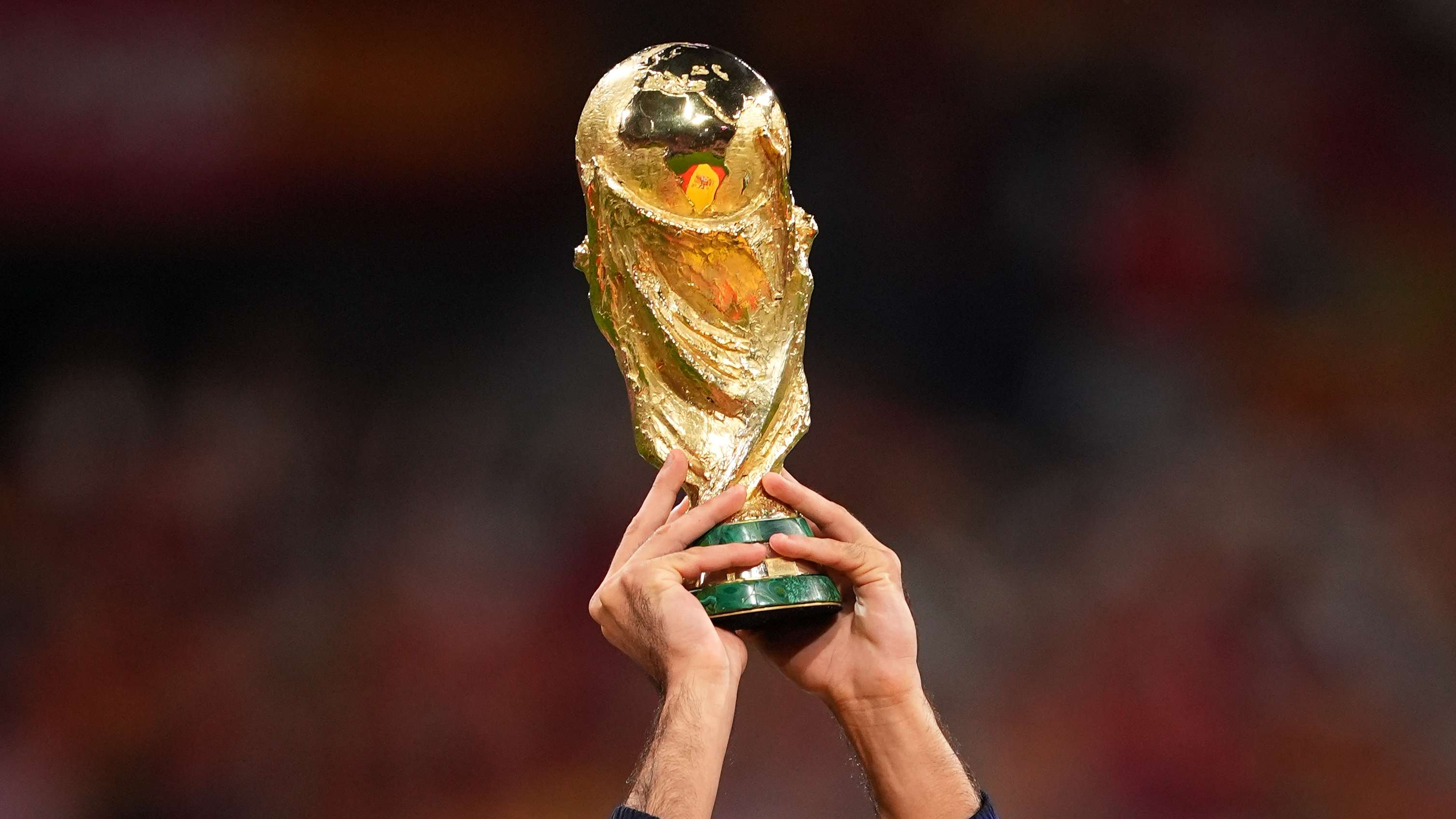
France last hosted the men’s World Cup in 1998, when the national team lifted the trophy on home soil. Germany most recently staged the tournament in 2006. A shared 2038 edition would give both countries another opportunity to welcome supporters from around the world, while distributing the demands of hosting across multiple nations.
A European partnership with a wider message
Diallo said a France-Germany project could symbolise “a new spirit” for national-team football in Europe and beyond. The two countries have a long sporting rivalry, but they have also worked together on major political and cultural initiatives. A joint World Cup bid could build on that relationship and present the tournament as a celebration of cooperation between neighbouring nations.
Such a partnership would also reflect how the World Cup has changed. The men’s tournament now features 48 teams, increasing the number of matches and the scale of the event. Hosting requires a substantial network of stadiums, transport links, accommodation, training facilities and security arrangements. Sharing responsibilities could help each country meet those demands while giving fans access to a broader range of cities and football traditions.
France and Germany already have many of the foundations needed for a major tournament, including established stadiums and extensive transport infrastructure. However, a successful bid would still require detailed planning. Organisers would need to consider venue upgrades, travel between host cities, ticket access, environmental impact and how to ensure that the benefits reach local communities as well as international visitors.
Could another country join the bid?
Diallo also left open the possibility of a third European nation becoming part of the project. He did not identify a potential partner, and no formal bid structure has been announced. Still, the suggestion indicates that discussions may be considering a wider regional model rather than a two-country arrangement.
Adding another host could expand the tournament’s geographic reach and provide additional stadium capacity. It would also make coordination more complicated. A multi-country bid would need clear agreements on match allocation, transport planning, funding, public services and the responsibilities of each football association and government.
For supporters, a cross-border World Cup could create a distinctive tournament experience, with matches spread across several football cultures and cities. The challenge would be ensuring that travelling between venues remains straightforward and affordable. With teams, officials and fans moving frequently during the competition, reliable rail and air connections would be central to any proposal.
Government backing remains essential
Diallo stressed that the idea is still being developed and that hosting plans of this scale are “extremely complex.” Any serious campaign would need support from public authorities, including the French government. Football federations can shape the sporting vision, but decisions about public funding, infrastructure and national guarantees ultimately involve political leaders.
That political dimension is particularly important in France, where the presidential election is scheduled for 2027. Diallo indicated that the country’s political landscape after the election will help determine whether a French bid can move forward. Until then, discussions are likely to remain exploratory, with the federation assessing the concept and the level of interest among potential partners.
A World Cup bid would also need to demonstrate that it can meet FIFA’s requirements and offer a credible long-term plan. That means more than identifying stadiums. Bidders typically need to show how they will manage accommodation, broadcasting operations, safety, accessibility and tournament logistics, while explaining how facilities will be used after the final whistle.
What a 2038 bid could mean for European football
The prospect of a France-Germany bid arrives as countries increasingly consider joint hosting as a way to manage the size and cost of major football tournaments. A shared model can spread investment and make use of existing venues, though it demands close cooperation between governments, organisers and football authorities.
For France, the 2038 World Cup could be a chance to build on the legacy of 1998 and showcase the country’s modern football infrastructure. For Germany, another hosting role would follow the success of Euro 2024, which brought international football back to its stadiums and cities. Together, the nations could offer a compelling mix of experience, capacity and established fan culture.
At this stage, however, there is no official bid and no guarantee that the proposal will progress. The next steps would likely involve continued talks between the associations, consultation with public authorities and a clearer assessment of whether a third country should be included. The 2027 French election may prove an important milestone in that process.
For now, the idea is a developing possibility rather than a confirmed plan. Yet Diallo’s comments have placed France and Germany among the countries to watch as the conversation about the 2038 World Cup takes shape. Any future prediction about the host remains premature, but a joint European bid could become one of the tournament’s most intriguing proposals if political backing and practical planning align.