
Controversy Mounts as FIFA President Gianni Infantino Faces European Criticism and Allegations
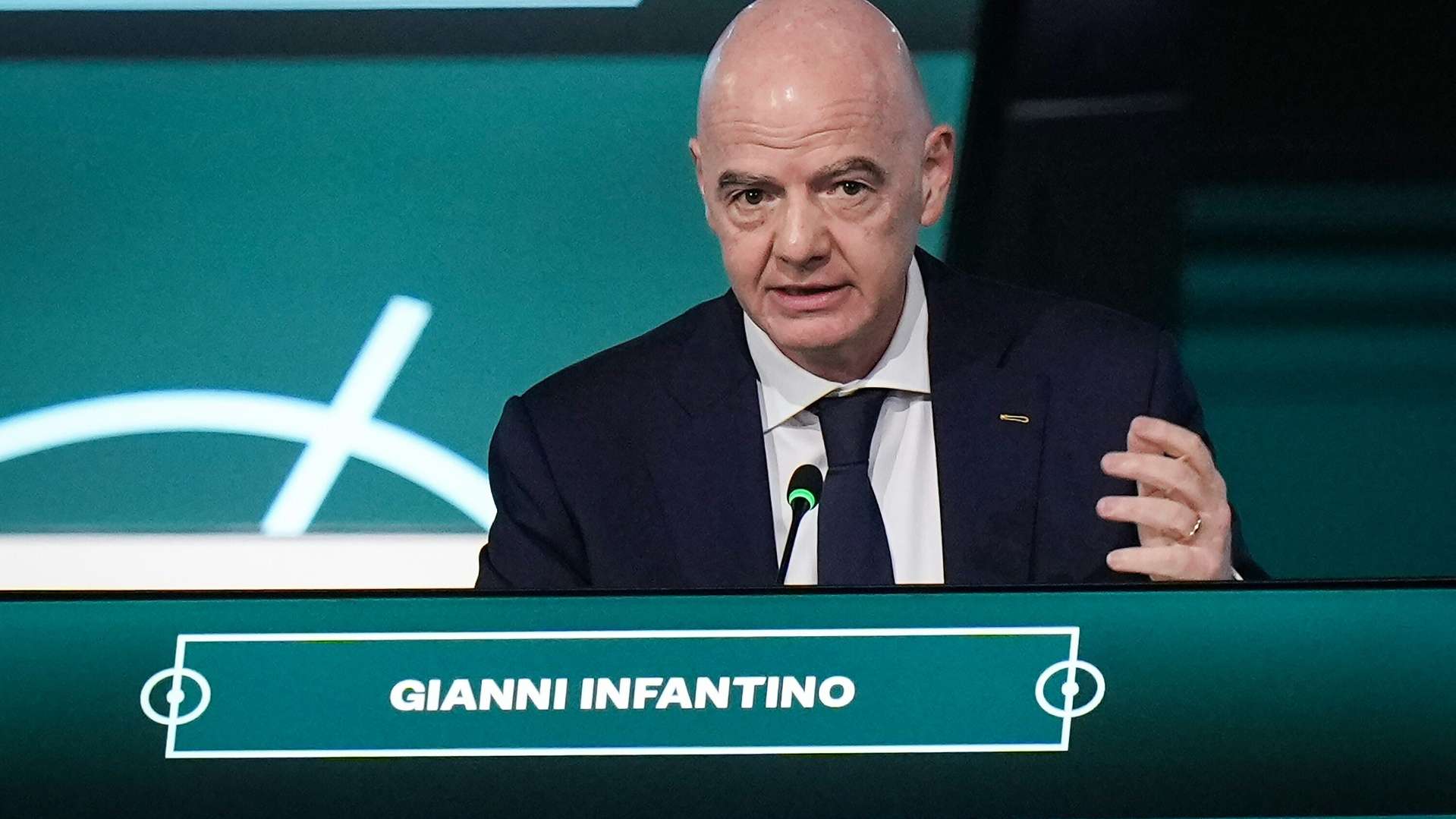
The world of international football is currently embroiled in a significant controversy surrounding FIFA President Gianni Infantino. Amid mounting criticism and escalating allegations, the Norwegian Football Federation has taken decisive action by filing two formal complaints with FIFA’s internal committees, igniting a broader debate about governance, transparency, and the integrity of football’s global leadership.
Allegations and Complaints: A Deep Dive into the Accusations
According to reports from Agence France-Presse, the complaints lodged by Norway address three critical issues that, collectively, threaten to tarnish Infantino’s reputation and question the transparency of FIFA’s decision-making processes. These issues include:
- The cancellation of a controversial plan to open the World Cup to private sector investments
- The controversial lifting of the suspension of American football star Folarin Balogun during the 2026 World Cup, reportedly following intervention by former U.S. President Donald Trump
- The awarding of the so-called “FIFA Peace Prize” to Donald Trump, a move seen by critics as politically motivated
These allegations have intensified scrutiny over FIFA’s governance and its leadership’s ethical standards, especially at a time when the organization is under pressure to regain public trust and demonstrate transparency.
The Norwegian Football Federation’s Formal Complaints
On Tuesday, the Norwegian Football Federation (NFF) submitted its first complaint to FIFA’s Ethics Committee, urging an investigation into Infantino’s conduct and potential violations of the FIFA Code of Ethics. This move underscores the federation’s commitment to holding FIFA accountable and ensuring that its leadership adheres to the highest standards of integrity.
Simultaneously, a second complaint was filed with the Governance, Audit and Compliance Committee, challenging the organization’s internal controls and decision-making processes. The NFF’s representatives are seeking clarity on whether FIFA’s governance system has functioned as intended, especially concerning financial oversight and internal controls that safeguard against conflicts of interest.
The Role of Political Interference in FIFA Decisions
Leading the charge is Lise Klaveness, the outspoken president of the Norwegian Football Federation. Known for her forthright stance against FIFA’s leadership, Klaveness views the allegations as interconnected and rooted in broader issues of governance and political influence. She pointed out the involvement of political figures, notably former U.S. President Donald Trump, as a central thread linking the controversies.
One notable issue is the aborted “FIFA Forward Enterprise” plan. This initiative, launched in July following the successful 2026 World Cup hosted jointly by Canada, Mexico, and the United States, aimed to attract private sector investment in football development projects. The plan was backed by venture capital firm Josh Kushner’s entity, connected to Trump’s son-in-law Jared Kushner, raising concerns about potential conflicts of interest and political favoritism.
Klaveness emphasized, “FIFA Forward Enterprise was a governance issue, but it is closely linked to other concerns because of the possibility of conflicts of interest and abuse of power. The overarching question is: is this an abuse of power or an abuse of office? And does it violate the principles of political neutrality that FIFA should uphold?”
Infantino’s Re-Election and the Absence of a Strong Rival
Despite these allegations and calls for accountability, Gianni Infantino remains steadfast in his pursuit of a fourth term as FIFA President. The Swiss official, aged 56, has publicly confirmed his intention to seek re-election in March next year. Interestingly, no credible challenger has yet emerged to challenge his leadership, a situation that has raised eyebrows within the football community.
In fact, some prominent figures, including former FIFA President Sepp Blatter, have suggested that Klaveness might be a suitable candidate for the presidency. However, Klaveness has publicly stated that she has no intention of running, citing her focus on reform and governance rather than personal political ambitions.
Similarly, UEFA President Aleksander Ceferin has also declined to contest the presidency, leaving Canada’s Victor Montagliani, the president of CONCACAF, as the most likely contender to face Infantino in the upcoming elections.
Implications for the Future of Football and Prediction of Outcomes
The current turbulence surrounding FIFA’s leadership has significant implications for the future of international football. Fans, players, and stakeholders are increasingly demanding transparency and accountability from the organization that governs the world’s most popular sport. The controversy raises questions about the integrity of upcoming tournaments, including the 2026 World Cup, and whether FIFA can restore public confidence amidst allegations of political interference and ethical breaches.
From a prediction standpoint, the unfolding developments could influence the outcome of the upcoming FIFA elections. The absence of a strong challenger to Infantino might allow him to secure a new term, but the growing pressure and investigations could complicate his campaign. Moreover, if the allegations lead to further scrutiny or disciplinary actions, FIFA’s leadership could undergo significant changes, impacting the organization’s strategic direction.
Broader Context: Football’s Fight for Ethical Governance
This controversy is not isolated; it reflects wider concerns about governance in international sports organizations. FIFA, which has historically faced criticism for corruption scandals and lack of transparency, is now under renewed scrutiny. The allegations against Infantino underscore the importance of robust governance frameworks, ethical leadership, and independent oversight in safeguarding the sport’s integrity.
Experts suggest that the current crisis presents an opportunity for FIFA to implement meaningful reforms. These include clearer conflict-of-interest policies, enhanced transparency measures, and more active engagement with football associations worldwide to rebuild trust.
Conclusion: A Pivotal Moment for Football’s Global Governance
As the world watches closely, the unfolding controversy surrounding Gianni Infantino’s presidency could mark a turning point in the governance of international football. The allegations and complaints filed by the Norwegian Football Federation have cast a spotlight on issues of political influence, ethical conduct, and organizational transparency. Whether Infantino can navigate these turbulent waters and secure a new term remains to be seen, but what is clear is that football’s prediction for the future depends heavily on how FIFA addresses these serious concerns.
Fans and stakeholders alike are hopeful that this crisis will catalyze positive change, reinforcing the sport’s core values of fairness, integrity, and respect—values that should underpin every aspect of football’s global leadership.