
Bassem Ali Leaves Egypt Coaching Staff One Day After Appointment
Egypt football has been hit by an unexpected staff change after former Al-Ahly player Bassem Ali announced that he would not continue as an assistant coach with the national team. His departure came just one day after the Egyptian Football Association named him among the supporting staff assembled by new head coach Ali Maher.
Ali shared the news through a message on his Instagram Stories, where he thanked the coaches and expressed his support for Maher and the rest of the staff. Although he had hoped to take part in the national-team project, he said he accepted the decision and wished the group success in the months ahead.
Ali says representing Egypt would have been an honour
In his statement, Ali described his departure as part of God’s plan and said he was content with the outcome. He also stressed the significance of working with the national team, explaining that representing Egypt is a major honour for any coach.
“I wished I could be with them and represent our country’s national team, because it is a great honour for any coach,” Ali wrote. He urged supporters to stand behind Maher and his colleagues, describing them as a respected technical staff deserving of backing. He ended by wishing them every success and expressing confidence that another opportunity would come his way.
The tone of Ali’s message was gracious rather than confrontational. He did not publicly explain why he would no longer be part of the staff, and his post offered no indication of a dispute with Maher or the Egyptian Football Association. For now, the circumstances behind the change remain unclear.
A rapid change during Egypt’s coaching transition
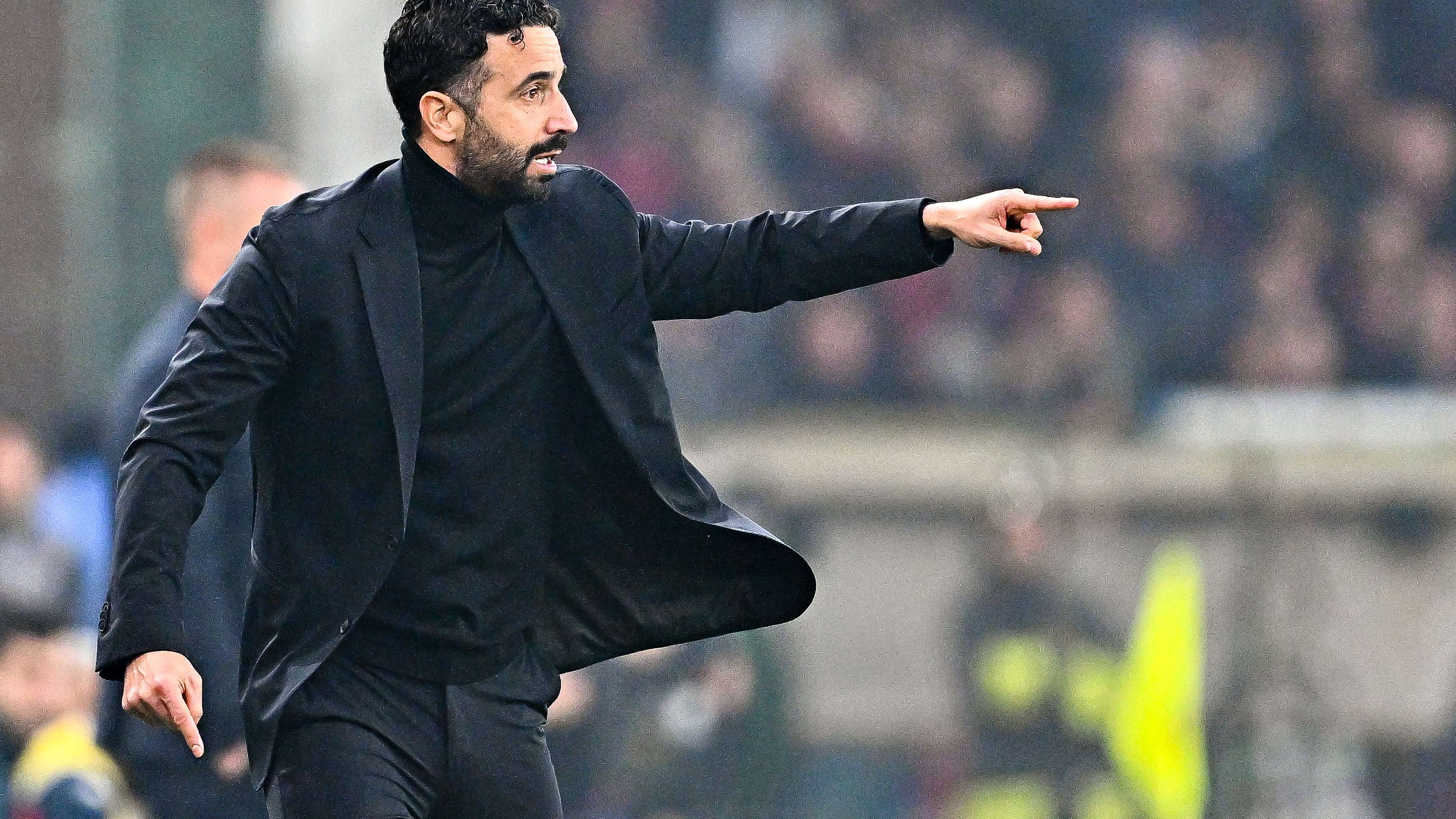
Maher officially took charge of Egypt last Saturday, succeeding Hossam Hassan. The appointment marked the beginning of a new phase for the national side, with the incoming coach expected to shape both the team’s playing approach and the structure around it.
A day after Maher’s appointment, the association announced his supporting staff. Mohamed Abdel Karim was named general coach, Bassem Ali assistant coach, and Mostafa Fathy goalkeeping coach. Ali’s subsequent announcement means the group has changed almost as soon as it was introduced, leaving questions about whether another assistant will be appointed or responsibilities will be redistributed among the remaining coaches.
Such adjustments are not unusual when a new manager takes over. Coaches often review their preferred working relationships, training methods and division of responsibilities before settling on a final team. Still, the timing is notable: a public appointment followed by a departure within a day naturally draws attention, particularly as Egypt begins preparing for competitive fixtures.
What the departure could mean for the new staff
For Maher, the immediate priority will be ensuring continuity as his staff prepares to work with the national squad. A stable coaching group can help communicate a clear plan to players, coordinate training and support decisions around selection, fitness and tactics. Whether Ali’s exit leads to a replacement or a revised internal structure could become clearer as the team’s preparations progress.
Ali’s experience as a former Al-Ahly player may have offered valuable insight into the demands of elite football and the expectations surrounding Egypt’s national team. However, the public announcement does not establish whether he had already begun working with the squad or whether his role was still at an early organisational stage. It is therefore too soon to judge the practical impact of his departure.
The change also arrives at a time when attention will turn quickly from coaching appointments to results. Egypt’s supporters will want to see a coherent plan from Maher, while the players will need to adapt to the new staff and any adjustments in training or tactics. Early communication and preparation will be important as the team seeks to build confidence under its new leadership.
Egypt’s next fixture and the road ahead
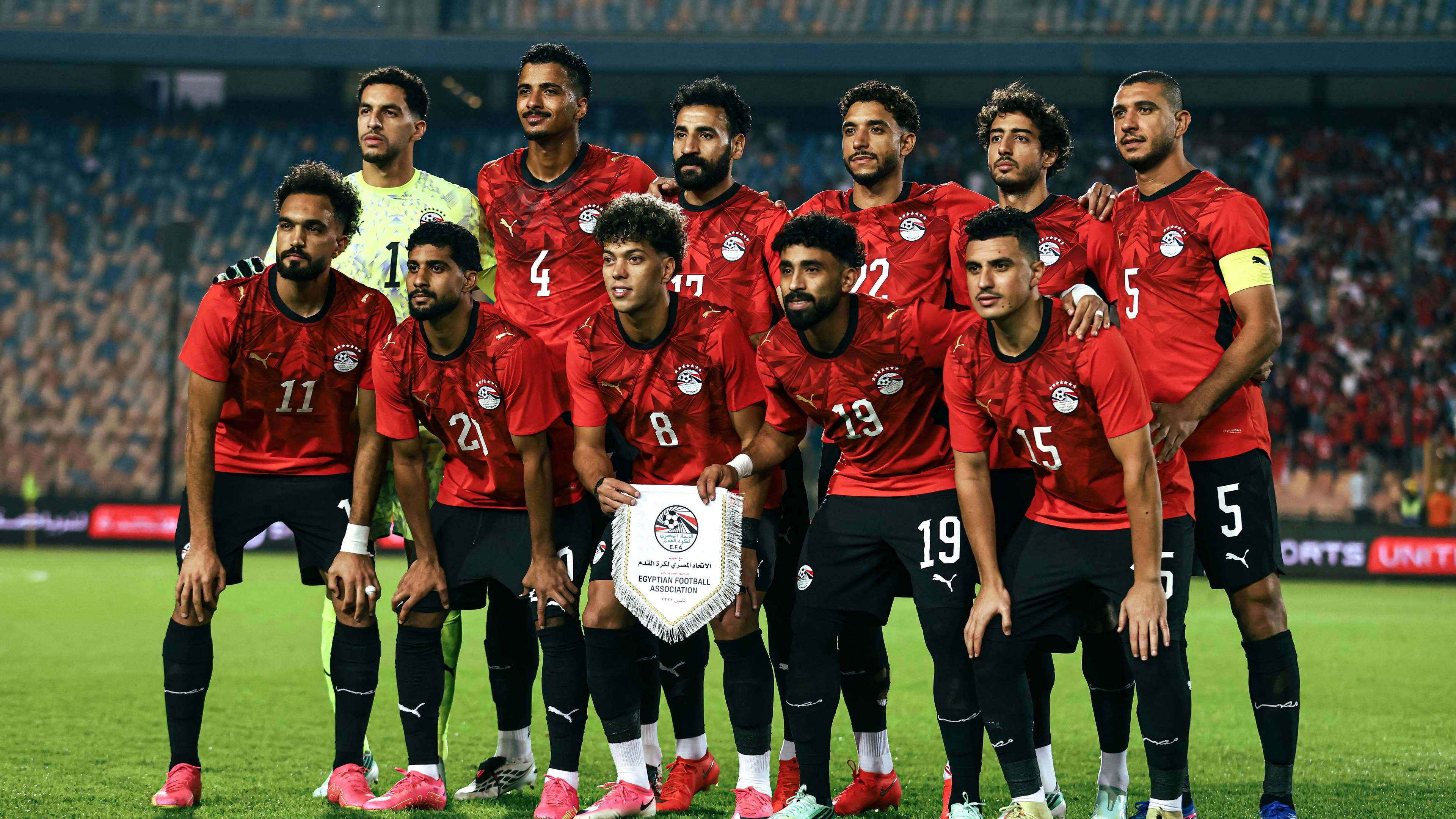
Egypt are scheduled to face Malawi in Africa Cup of Nations qualifying on 14 November 2026. The match will offer an important opportunity for Maher’s team to demonstrate its direction, although the time available before then gives the new coach room to assess his options and establish a working rhythm with the squad.
For fans, the fixture will be more than another entry on the qualifying calendar. It will provide an early reference point for how the national team responds to a change in leadership and whether Maher can translate his ideas into effective performances. Results, team selection and the balance between experienced players and emerging talent are likely to shape discussion in the build-up.
Any football prediction about Egypt’s performance at this stage should be treated cautiously. A new coach can bring fresh energy, but transitions also require time, and a change in the supporting staff adds another variable. Egypt’s prospects will depend on factors including player availability, preparation, tactical clarity and how quickly the squad adapts to Maher’s approach.
Supportive message leaves questions unanswered
Ali’s statement has softened the news of his departure by making clear that he wishes the new staff well. His appeal for supporters to back Maher may also help keep the focus on the national team rather than on speculation about internal disagreements. Nevertheless, the timing is likely to prompt further questions until the association or the coach provides additional detail.
For now, the confirmed facts are straightforward: Maher has taken over as Egypt’s head coach, Ali was initially named as an assistant, and Ali has since announced that he will not continue in the role. The next developments will show whether Egypt appoints a replacement and how the reshaped staff prepares for the Malawi qualifier.
As the new era begins, the central challenge for Maher will be building a united, well-organised team capable of meeting expectations. Ali’s departure is an early twist in that process, but the national side’s performances and results will ultimately determine how the transition is judged.