
Mourinho Addresses Trent Alexander-Arnold’s Future, Tactical Choices and Real Madrid’s Fixture Strain
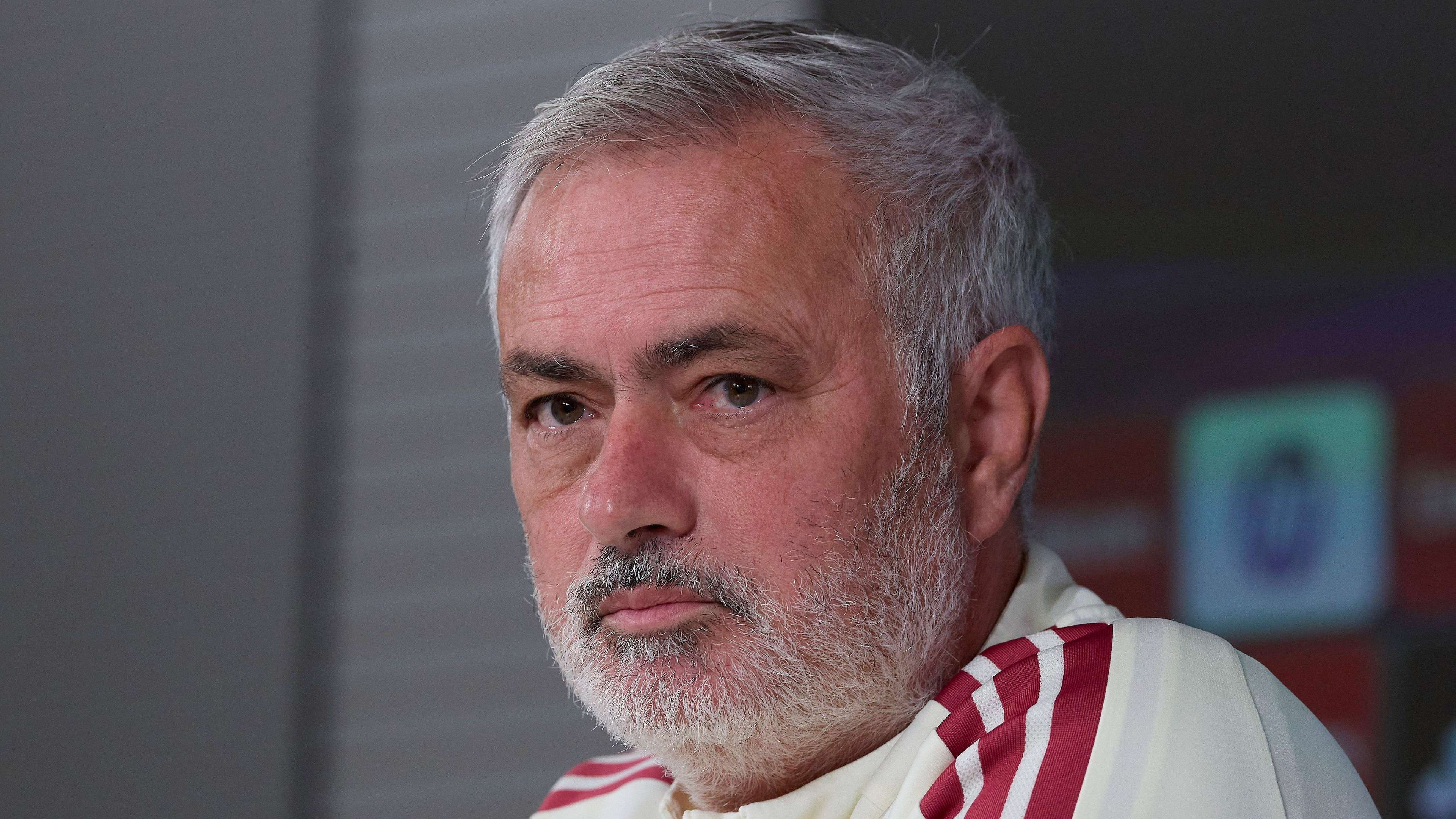
José Mourinho has offered a candid look at the pressures shaping Real Madrid’s season ahead of the club’s visit to Racing Santander. Speaking before Sunday’s LaLiga meeting at El Sardinero, the Portuguese coach discussed Trent Alexander-Arnold, his approach to team selection, accusations that he is overly defensive and a demanding run of away fixtures.
His comments arrive as Madrid prepare for a match against a Racing side that, according to Mourinho, has been particularly difficult to beat at home. With the league schedule tightening and European travel adding to the workload, the coach’s pre-match message was clear: selection decisions must serve the team, and players will need to adapt to circumstances as they arise.
Mourinho explains his decisions involving Trent Alexander-Arnold
Reports that Alexander-Arnold could consider a move during the winter transfer window prompted questions about his role and relationship with the coaching staff. Mourinho rejected the idea that his recent choices were intended as a personal statement, explaining that tactical decisions are made according to what he believes the team needs in a particular moment.
“Firstly, it is painful,” Mourinho said, acknowledging that leaving players out can create disappointment. He added that he would rather maintain positive feelings within the squad, but argued that the team’s interests must come first when a change is required.
The coach pointed to a midfield adjustment that involved bringing Federico Valverde into the side. In his view, the move reflected the needs of the match rather than an assessment of Alexander-Arnold or Denzel Dumfries. Mourinho said he had explained that distinction to both players and received a positive response.
He also sought to reassure the squad that limited involvement in one game does not mean a player has lost his place. Valverde, Mourinho said, would not start against Racing, while another option would be selected from the beginning. He also referred to the recent Barcelona match, where Dumfries entered because of the circumstances and Alexander-Arnold made a late appearance.
That rotation could prove important over the months ahead. A long season brings injuries, suspensions and fatigue, particularly for a team competing on several fronts. Mourinho said he expects every player to receive opportunities and suggested that the combination of a crowded calendar and changing match situations will make a similar selection dilemma unlikely to remain isolated for long.
Is Mourinho still a defensive coach?
Mourinho also responded to the familiar criticism that his teams are built primarily around defensive caution. Asked whether he has become more adventurous with age, he laughed and described himself as more balanced—not necessarily more attacking or more conservative, but less affected by outside opinion.
He said criticism no longer weighs on him as it once might have, and pushed back against simplified accounts of his past work. Mourinho also credited players for achievements at Barcelona, saying that his own contribution matters most when he leaves a match believing he helped the team accomplish something meaningful.
To challenge the defensive label, he recalled a high-scoring campaign in which one of his teams collected 100 points and scored more than 120 goals. The example underlines a broader point: Mourinho’s tactical reputation can obscure how much his approach changes according to the players available, the opponent and the demands of a particular competition.
He described openness to new ideas as one of the main differences in his current outlook. Rather than sticking to a method simply because it has worked before, he said he is willing to study what he sees, listen to discussions and assess what players can offer on the pitch. His preferred atmosphere, he added, is calm—and he wants the team to reflect that temperament.
Fixture congestion fuels Mourinho’s frustration
The schedule was the sharpest source of frustration in Mourinho’s press conference. Real Madrid face a demanding stretch that includes four consecutive matches away from the Bernabéu, leaving little time for recovery and preparation. Away games also bring the added challenge of hostile crowds and the comfort opponents often find on familiar ground.
Racing’s home record makes Sunday’s contest a significant test. Mourinho noted that the Santander club had not lost at home, meaning Madrid will have to manage both the atmosphere and the opponent’s confidence. The coach also highlighted the uncertainty surrounding a later trip to Athens, where AEK would be coming off a derby against Panathinaikos. A result in that fixture could lift the team—or leave it under pressure—before Madrid arrive.
Travel and short turnarounds add another layer of difficulty. Mourinho described a schedule involving a Wednesday match followed by a Thursday morning arrival, circumstances that can reduce recovery time and complicate training plans. He said the team would have to respond intelligently, with adaptability becoming as important as tactical preparation.
The coach was particularly critical of changes to the calendar, arguing that Madrid had been placed in an unusual position by the rearrangement of kick-off dates. He said the team had expected to play on different days, including a Sunday meeting with Valencia that was moved to Saturday. In his view, the changes compressed the workload and created a stretch of three matches in seven days.
Mourinho sarcastically described the arrangement as a “gift” from either the league organisers or broadcasters, while conceding that the club had no choice but to accept it. His complaint reflects a wider issue in elite football: clubs must balance domestic competition, European commitments, travel and player welfare, often with limited control over scheduling decisions.
Racing Santander vs Real Madrid: what to watch
For supporters considering a football prediction, the key factors are likely to be Madrid’s ability to handle Racing’s home advantage and Mourinho’s management of a busy schedule. Rotation could influence the starting lineup, while the coach’s comments suggest that he is weighing individual freshness against the need to maintain a competitive structure.
Racing’s unbeaten home run gives the hosts a reason for confidence, but Real Madrid’s depth could become decisive if the match is played at a high tempo. The visitors will need to avoid costly mistakes, manage the crowd’s energy and make effective use of their opportunities. As always, a prediction should account for uncertainty: fixture congestion, late selection decisions and the intensity of the occasion can all affect the result.
Mourinho’s remarks ultimately reveal a coach focused on balancing competing demands. He wants players to understand that selection is tactical rather than personal, insists his methods are more flexible than his reputation suggests and believes composure will be essential during a taxing run of fixtures. Sunday’s match will offer an early test of whether Real Madrid can turn that message into a disciplined performance on the road.