
French Court Orders Paris Saint-Germain to Pay Kylian Mbappe €55 Million in Unpaid Wages
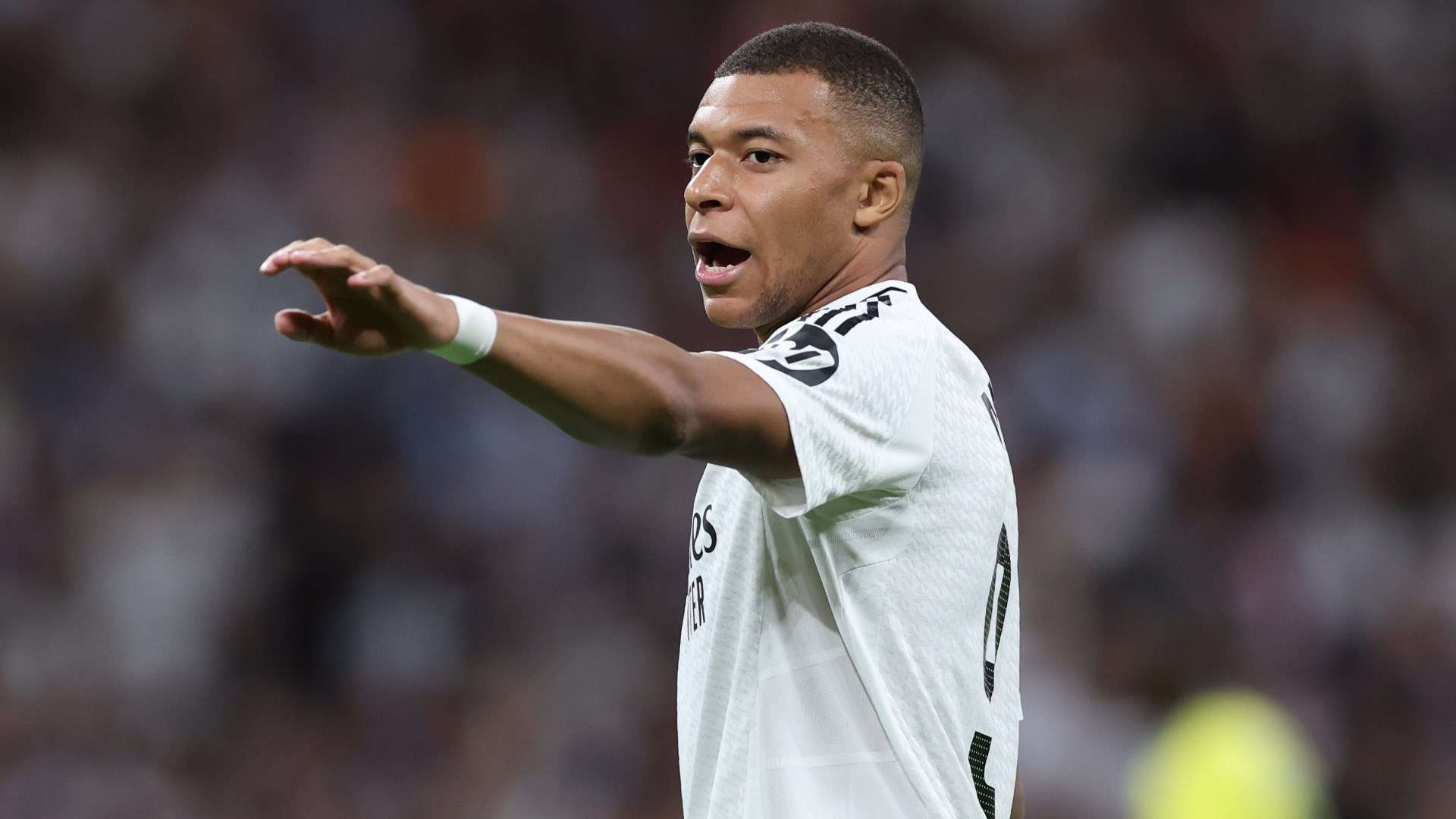
A recent ruling by a French court has ordered Paris Saint-Germain (PSG) to pay former star player Kylian Mbappe a staggering sum of €55 million in unpaid wages. Despite the club’s appeal against the verdict, the court upheld its decision, stating that PSG must compensate Mbappe for the outstanding amount.
Legal Battle Over Unpaid Wages
The legal battle between PSG and Mbappe dates back to the player’s time at the club before his transfer to Real Madrid in the summer. The dispute revolves around alleged unpaid wages and bonuses owed to the French forward during his tenure at PSG.
Following Mbappe’s departure from PSG to join Real Madrid, the issue of unpaid wages came to the forefront, leading to Mbappe taking legal action against his former club. The court’s ruling in favor of Mbappe highlights the importance of upholding contractual agreements in professional football.
PSG’s Appeal and Final Verdict
Despite PSG’s appeal against the initial ruling, the French court stood firm in its decision to order the club to pay Mbappe the outstanding €55 million. The legal battle between the two parties has drawn significant attention from the football world, with fans and experts closely following the developments.
PSG’s refusal to comply with the court’s verdict could have serious repercussions for the club, both financially and reputationally. The case serves as a reminder of the legal complexities involved in professional football contracts and the importance of honoring agreements between players and clubs.
Impact on Mbappe and PSG
For Kylian Mbappe, the court’s ruling represents a significant victory in his pursuit of fair compensation for his contributions to PSG during his time at the club. The €55 million payout will not only serve as a financial boost for the talented forward but also reaffirm the importance of upholding player contracts in the football industry.
On the other hand, PSG now faces the challenge of fulfilling the court’s order and making the substantial payment to Mbappe. The club’s finances and reputation may be affected by the outcome of the legal battle, highlighting the potential consequences of contractual disputes in the world of football.
Conclusion
In conclusion, the French court’s decision to order Paris Saint-Germain to pay Kylian Mbappe €55 million in unpaid wages underscores the significance of upholding contractual obligations in professional football. The legal battle between the club and the player has shed light on the complexities of player contracts and the consequences of failing to comply with contractual agreements.
As the football world awaits PSG’s response to the court’s ruling, the case serves as a cautionary tale for clubs and players alike, emphasizing the importance of honoring contractual commitments to maintain the integrity of the sport.
Background on Kylian Mbappe’s Career
Kylian Mbappe, often regarded as one of the brightest young talents in football, rose to prominence at a young age. The French forward made his professional debut for Monaco in 2015, showcasing his exceptional skills and speed on the pitch. His outstanding performances quickly caught the attention of top clubs, leading to his transfer to PSG in 2017.
During his time at PSG, Mbappe became a key player for the team, scoring crucial goals and helping them achieve success in domestic and international competitions. His partnership with Neymar and other talented players elevated PSG’s status in European football, making them formidable contenders in various tournaments.
Financial Implications for Paris Saint-Germain
The €55 million payout ordered by the French court poses a significant financial burden for Paris Saint-Germain. The club, known for its lavish spending on transfers and player salaries, now faces the challenge of meeting this substantial payment to Mbappe while ensuring financial stability and compliance with financial fair play regulations.
Additionally, PSG’s reputation within the football community may be tarnished by the prolonged legal battle and the court’s ruling against the club. The handling of the situation and the club’s response to the verdict will be closely scrutinized by fans, sponsors, and other stakeholders, impacting PSG’s standing in the global football landscape.
Contractual Integrity in Professional Football
The legal dispute between Kylian Mbappe and Paris Saint-Germain underscores the importance of upholding contractual integrity in professional football. Player contracts are legally binding agreements that outline the terms and conditions of a player’s engagement with a club, including salary, bonuses, and other entitlements.
Clubs must adhere to these contracts and fulfill their financial obligations to players to maintain trust, respect, and stability within the football ecosystem. Failure to honor contractual agreements can lead to disputes, legal battles, and reputational damage, affecting the relationships between players, clubs, and governing bodies.
Lessons Learned from the Legal Battle
The legal battle between Kylian Mbappe and Paris Saint-Germain serves as a valuable lesson for football clubs and players worldwide. It highlights the importance of transparency, communication, and compliance with contractual obligations to avoid potential disputes and financial liabilities.
Clubs must prioritize financial prudence and ethical conduct when managing player contracts to prevent legal repercussions and negative publicity. Similarly, players should be vigilant in protecting their rights, seeking legal recourse when necessary, and advocating for fair treatment in contractual negotiations.
Looking Ahead
As the football industry evolves and faces new challenges, the case of Kylian Mbappe’s unpaid wages and the subsequent legal battle with Paris Saint-Germain will continue to resonate throughout the sport. The outcome of this landmark ruling will set a precedent for future contract disputes and reinforce the importance of contractual compliance in professional football.
Both clubs and players must learn from this experience, prioritize contractual integrity, and work towards fostering a culture of trust, fairness, and accountability in all aspects of player management and club operations. By upholding these principles, the football community can uphold the integrity of the sport and ensure a sustainable and ethical environment for all stakeholders involved.